

An ancient mosaic dating back 1,600 years, uncovered on the slopes of Sussita overlooking the Sea of Galilee, bears the inscription “Peace to the elderly,” offering rare evidence of the world’s first documented nursing home in recorded history.
Embedded within a colorful medallion, the mosaic is part of one of the most striking finds at the site, detailed in the scientific journal Zeitschrift für Papyrologie und Epigraphik. The discovery sheds light on social structures in Byzantine-era Israel.
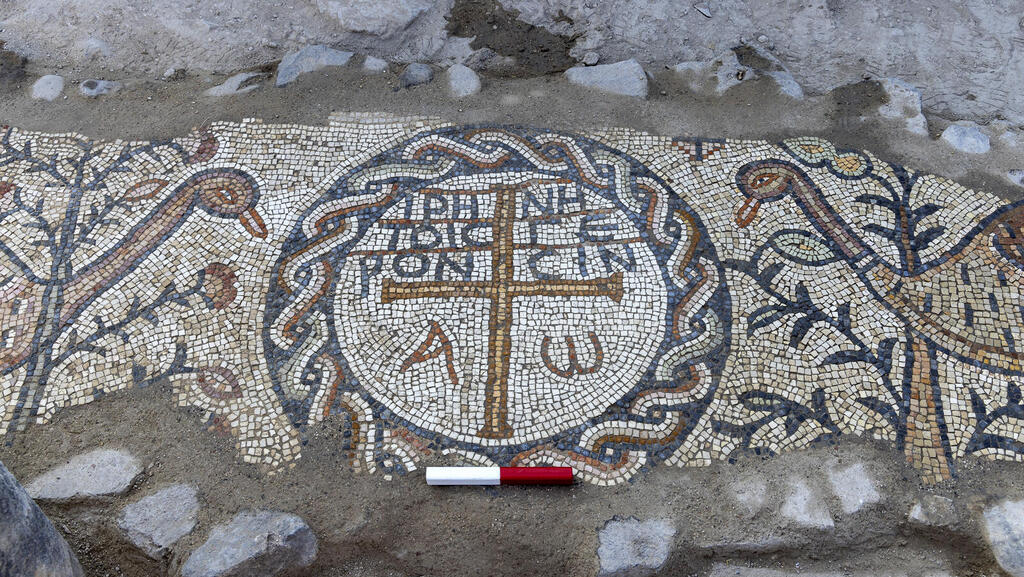
Dr. Michael Eisenberg from the Zinman Institute of Archaeology at the University of Haifa, a co-director of the excavation, said, “This is living proof that care and concern for the elderly are not just modern concepts but were part of social institutions 1,600 years ago.”
Sussita, also known as Hippos, served as the region’s main Christian city during the Byzantine period, hosting a bishop and at least seven churches. Since 2000, systematic archaeological digs and extensive preservation efforts have taken place in the Sussita National Park, located on an eastern ridge above the lake.
The city was a religious, social and economic hub, with its main streets—the Decumanus Maximus (east-west) and Cardo (north-south)—forming key thoroughfares where the mosaic was found near their intersection, about 100 meters (328 feet) from the central plaza, within a residential block.
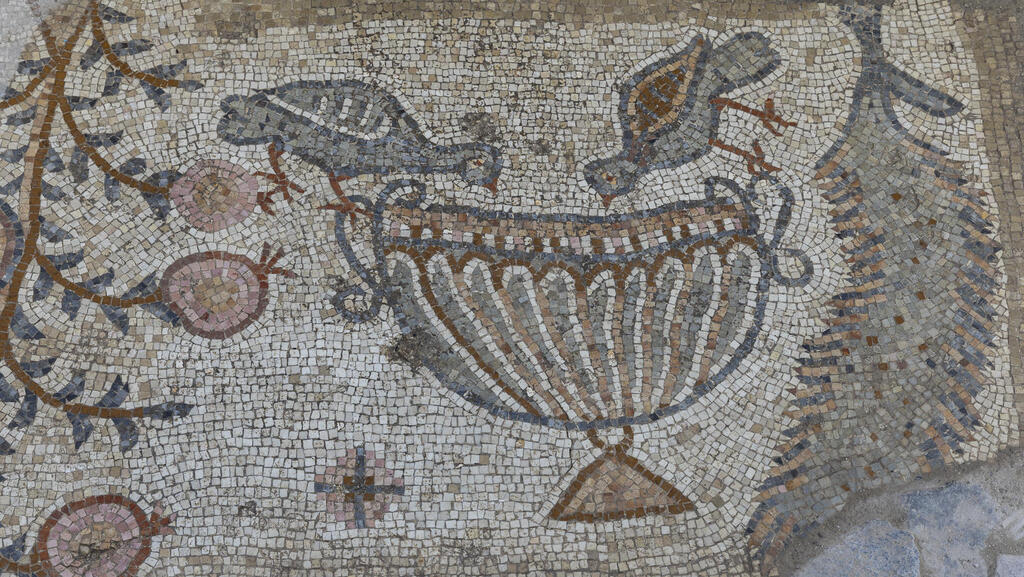
Part of the uncovered mosaic
(Photo: Dr. Michael Eisenberg)
Researchers Dr. Eisenberg, Dr. Arleta Kowalewska from the Zinman Institute and Prof. Gregor Staab from the University of Cologne investigated whether the building housing the mosaic functioned as a dedicated elderly care facility, potentially the earliest archaeological evidence of a dated nursing home.
During the 2023-2024 excavation season, the mosaic was fully exposed and received initial conservation by expedition conservator Yana Kedem. The team analyzed the Greek inscription, its placement and urban context, comparing it to Byzantine historical records mentioning elderly care institutions.
The surrounding iconography—featuring Egyptian river goddesses, cypress trees, fruits and ritual vessels—reinforced the notion of a spiritual and distinctly social purpose. The mosaic’s location at the building’s entrance, with the inscription facing visitors, highlighted its significance in public life.
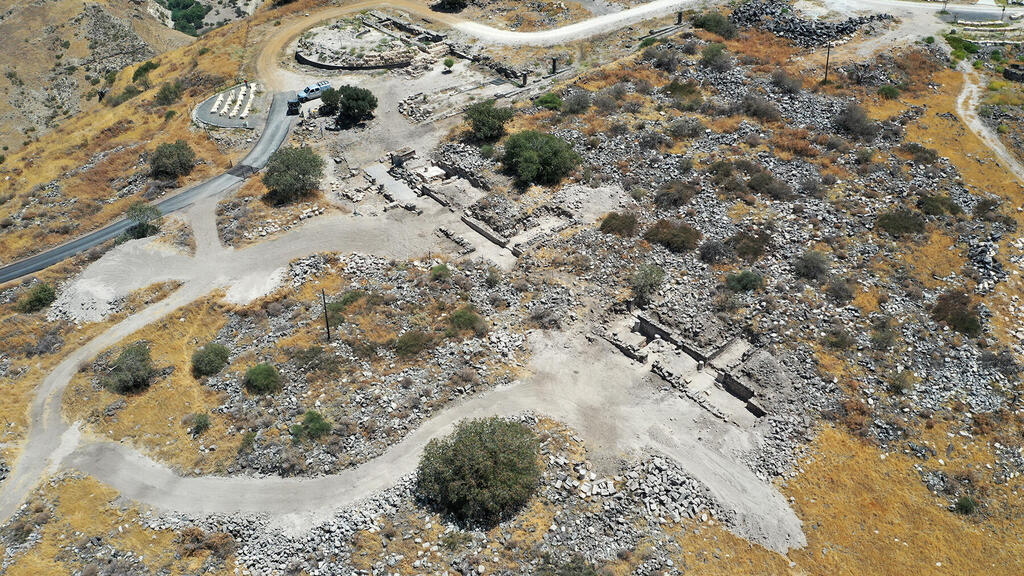
The excavation site at Sussita
(Photo: Dr. Michael Eisenberg)
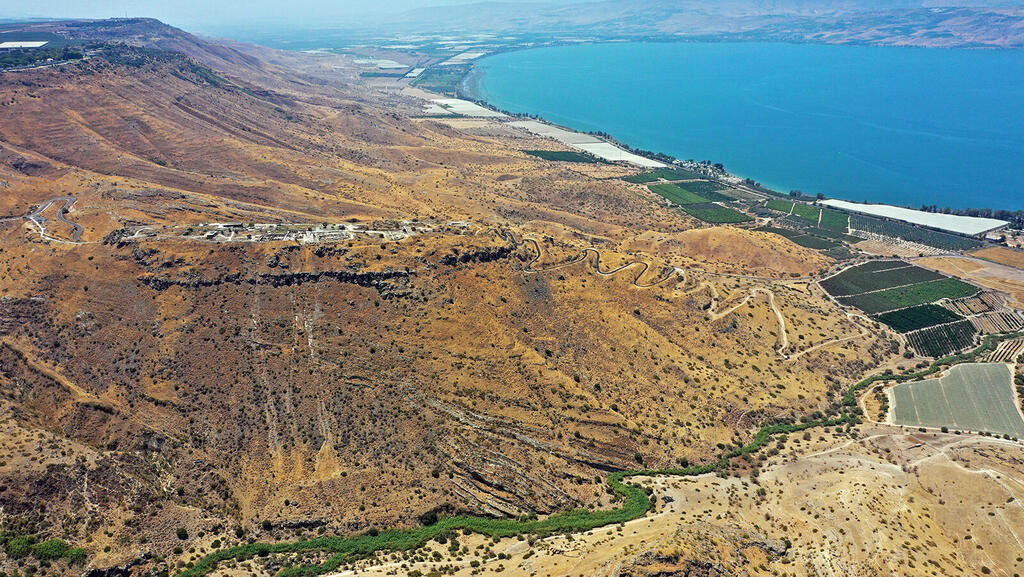
The excavation site overlooking the Sea of Galilee
(Photo: Dr. Michael Eisenberg)
The researchers concluded that the find likely represents the first directly dated evidence of a permanent institution for the elderly in the Byzantine period, a shift from family-based care. The direct address to a specific age group—“Peace to the elders”—alongside the building’s features and urban role, points to an organized community effort to honor and support the elderly.
“This was a communal and spiritual institution woven into the Christian city’s fabric, reflecting its social values. The inscription targets a specific group and speaks to them directly, offering a rare glimpse into the daily lives of the elderly in antiquity. It shows how the Christian community in the Holy Land cared for its seniors—a responsibility once solely on families,” the researchers summarized.
This tangible, dated artifact provides a fresh perspective on the role of the elderly in Byzantine Christian society, revealing that alongside churches, practical institutions for care and respect were established.