

Israel is preparing to send a senior negotiating delegation—likely to Cairo, not Doha—for talks expected to begin as early as Sunday, following Hamas’ announcement that it accepts the first phase of President Donald Trump’s peace plan.
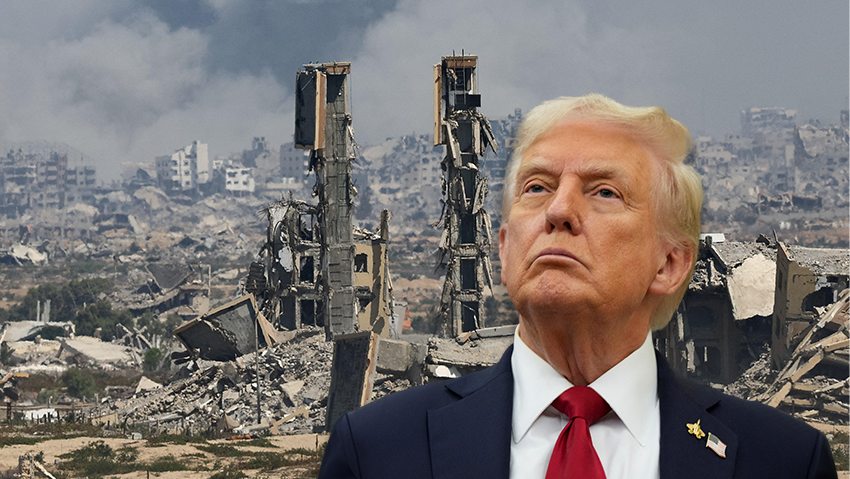
The Islamist terror group declared Friday night that it agrees to release all Israeli hostages “in accordance with the exchange formula included in President Trump’s proposal,” prompting Trump to issue a dramatic overnight statement calling on Israel to “stop bombing Gaza” and asserting that Hamas is “ready for peace.”
Despite the momentum, officials on all sides caution that a long, difficult negotiation lies ahead. Hamas stressed it is willing to “immediately enter talks on the details of the arrangement,” signaling that it has not yet agreed to the full framework.
Israel, U.S. coordinate ahead of Cairo
Throughout Friday night, Prime Minister Benjamin Netanyahu held emergency consultations with Defense Minister Israel Katz, Strategic Affairs Minister Ron Dermer, and top defense chiefs. Ministers Bezalel Smotrich and Itamar Ben-Gvir were not included.
Sources told Ynet that Netanyahu is considering sending Dermer to Cairo to head the delegation.
Meanwhile, Israeli negotiators have prepared detailed prisoner-release lists and military withdrawal maps, drawn from Trump’s plan and previous IDF proposals. These maps outline possible redeployments to facilitate the hostage exchange.
According to one source involved in the process, Hamas has agreed to negotiate on the basis of Trump’s announcement but has not accepted limiting talks solely to the first stage—the release of all hostages within 72 hours. “We’re looking at a complex and lengthy process,” the source said.
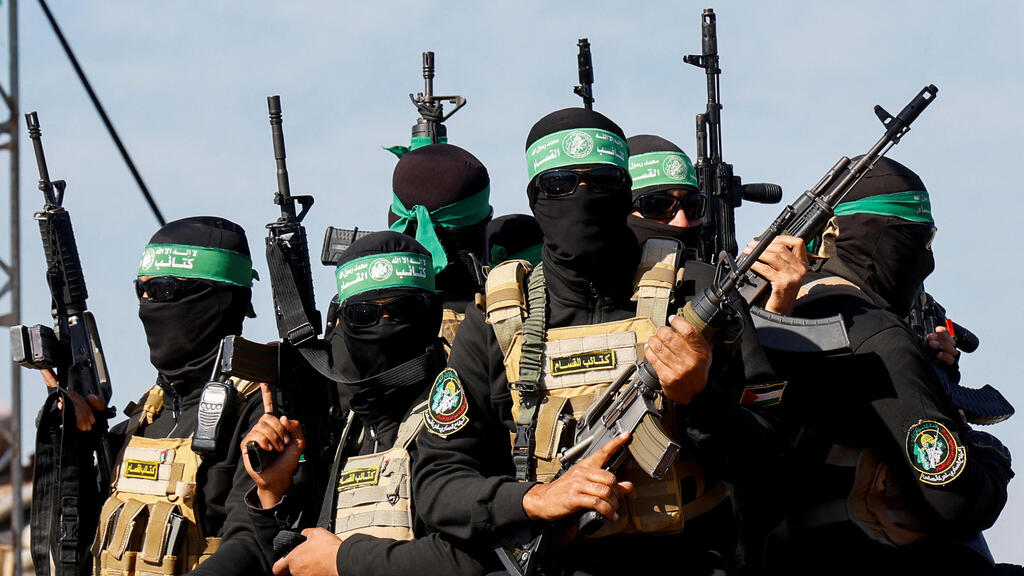
Hamas terrorists
(Photo: Reuters/Hatem Khaled)
U.S. officials are working intensively to narrow gaps before formal talks begin, hoping to avoid procedural disputes that bogged down previous rounds.
Washington’s Middle East envoy Steve Witkoff is expected to arrive in the region in the coming days. Israeli peace activist Gershon Baskin, a veteran of past hostage deals, said Witkoff briefed him that the U.S. has a deployment plan for IDF forces “that will allow Hamas to locate, gather, and return the hostages safely.”
Hamas’ position: limited options, new demands
A Hamas source said that the terror group’s leadership agreed to talks because of operational difficulties and limited alternatives. “As long as hostages remain, fighting will continue,” the source said, adding that full release “may take up to a week, not 72 hours.”
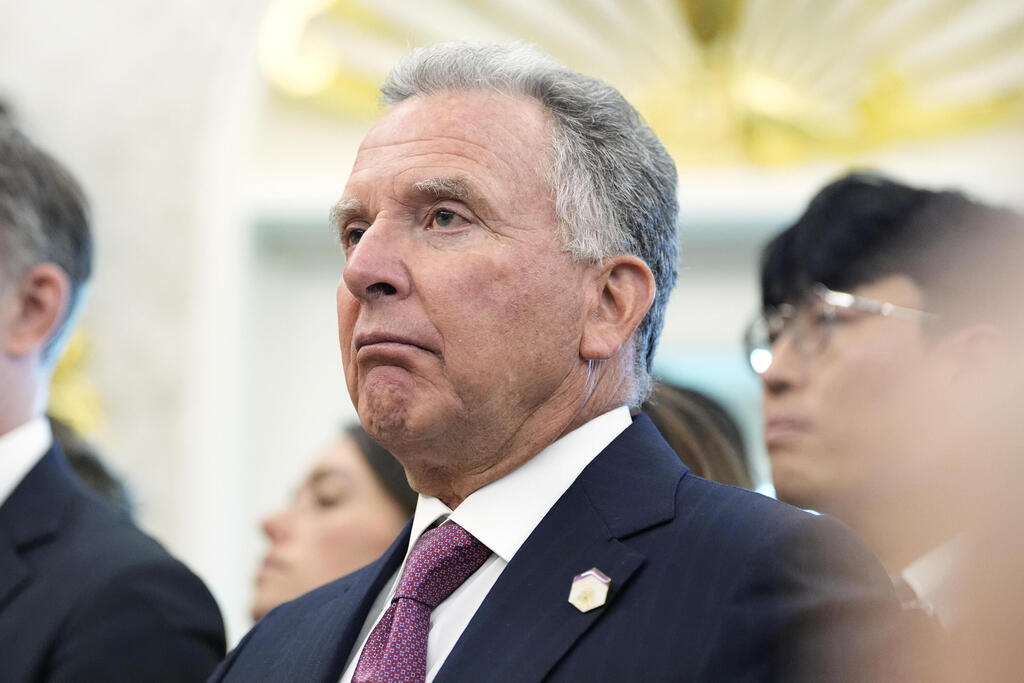
Washington’s Middle East envoy Steve Witkoff
(Photo: AP/ Alex Brandon)
He also indicated that other terror factions, such as Islamic Jihad, may need to be involved. “In the first stage, Israel must withdraw from certain areas under its control—like parts of Gaza City—where hostages are held, to create conditions for their release,” the source added.
Meanwhile, Dr. Nasser Laham, a journalist close to Palestinian Authority President Mahmoud Abbas, argued that Trump’s plan aims not merely to end the war but to reshape the Middle East. “The next phase will bring new political actors and fresh initiatives,” he said. “Old frameworks have lost credibility.”
Major sticking points: timing, disarmament, and control of Gaza
Timing of the hostage release
Trump’s plan calls for all hostages to be freed within 72 hours, but Hamas says that timeline is impossible. The terror group claims it has lost contact with some factions holding captives and needs time to locate them.
Disarmament of Hamas
The U.S. proposal envisions a demilitarized Gaza, but Hamas refuses to surrender its weapons. According to The Wall Street Journal, the terror group might agree to store “offensive weapons” in Egypt or under UN supervision, while keeping what it calls “defensive systems” inside Gaza.
Arab mediators told the Journal that Az al-Din Haddad, head of Hamas’ military wing after the deaths of Yahya and Mohammed Sinwar, is “open to compromise” but unwilling to hand over light arms.
Hamas commanders fear fighters who joined during the war—many after losing relatives—will refuse to disarm if the deal appears as a surrender.
Who governs Gaza next?
Hamas rejects a foreign or Arab-international administration and does not accept a continued IDF presence in Gaza. It has agreed in principle to transfer civilian governance to a nonpartisan Palestinian technocratic body backed by Arab states but insists on maintaining its political role in the national process—contradicting Trump’s plan, which excludes Hamas from any postwar administration.
Hamas’ response also omitted any mention of the proposed Peace Council or Arab oversight mechanism included in Trump’s framework.
In its statement, Hamas positioned itself as open to negotiation while refusing to abandon core principles—insisting on total prisoner release, full IDF withdrawal, humanitarian access, and preventing a Palestinian Authority return to power.
Analysts say the terror group seeks to appear cooperative without compromising on ideology: resistance, survival in Gaza, and continued influence over the Palestinian national movement.
As one Israeli source put it, “Hamas hasn’t said no, but it hasn’t really said yes either. The U.S. and Egypt are trying to turn that ambiguity into progress before the window closes.”