

Qatar and Pakistan said Monday that the first round of high-level talks between the United States and Iran had concluded in Switzerland with “encouraging progress,” including a 60-day roadmap toward a final agreement and new mechanisms meant to prevent escalation in the Strait of Hormuz and Lebanon.
The talks at the Qatari-owned Bürgenstock resort followed a tense opening in which Tehran said it had again restricted maritime traffic through the Strait of Hormuz and U.S. President Donald Trump threatened to resume attacks on Iran if it tried to close the waterway.
Gallery
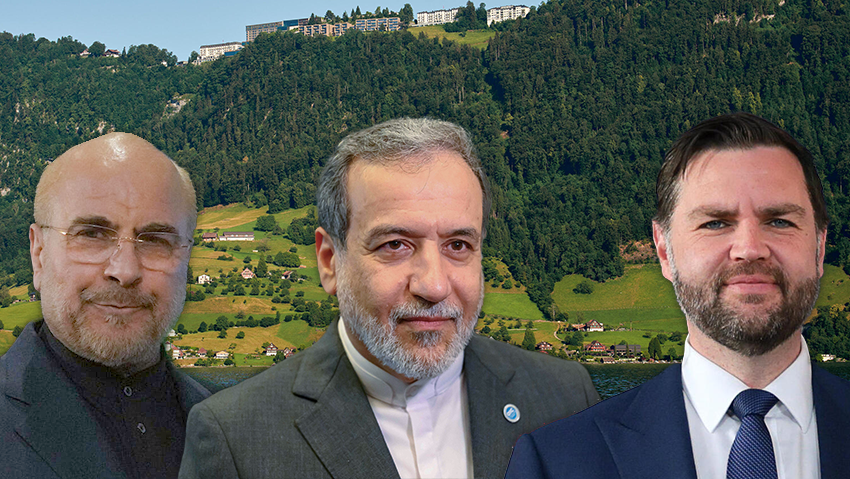
Iranian Parliament Speaker Mohammad Bagher Ghalibaf, Iranian Foreign Minister Abbas Araghchi and US Vice President JD Vance
(Photo: Jonathan Ernst - Pool/Getty Images, AP/Mehmet Guzel, AP/Vahid Salemi, REUTERS/Stringer, AP Photo/Vadim Ghirda)
The Lake Lucerne Summit was held under the framework of the Islamabad Memorandum of Understanding and included representatives from Iran, the United States and the two mediating countries, Qatar and Pakistan. A U.S. official said Vice President JD Vance took part in the talks with Iranian officials.
In a joint statement, Qatar and Pakistan said the talks were conducted in a “positive and constructive atmosphere” and had produced “encouraging progress,” including the creation of a mechanism for further technical negotiations.
Iran’s Foreign Ministry spokesman said separately that the work of the negotiating delegation had concluded, but that technical teams would continue their discussions, according to Iranian state and semi-official media. He said a text issued by Qatar and Pakistan would outline the general points agreed during 18 hours of talks and would be presented as the document of understandings reached in Switzerland.
According to the joint statement, the parties agreed to establish a High-Level Committee to provide political oversight of the mediation. Chief negotiators will report regularly to the committee and lead working groups focused on nuclear issues, sanctions, monitoring and dispute resolution, as well as other matters related to implementing the memorandum.
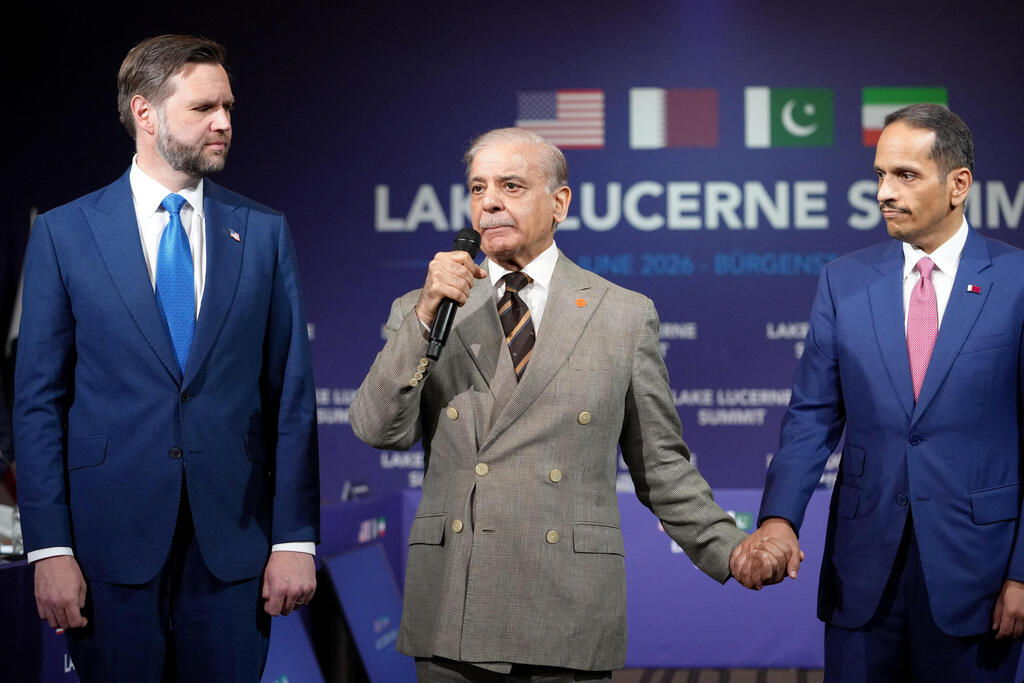
Vance, Pakistani Prime Minister Shehbaz Sharif and Qatari Prime Minister Sheikh Mohammed bin Abdulrahman Al Thani
(Photo: REUTERS/Nathan Howard/Pool)
The committee also agreed on a roadmap aimed at reaching a final deal within 60 days, laying the groundwork for the immediate start of additional technical talks.
Iranian Foreign Minister Abbas Araghchi said the “tireless” mediation by Pakistan and Qatar had delivered major progress toward ending the war in Lebanon. He said oil and petrochemical exports had received waivers, the blockade had been lifted, some frozen Iranian assets had been released and a major reconstruction and development plan for Iran had been launched.
Iran’s Foreign Ministry spokesman said the sides discussed the basis for beginning negotiations toward a final agreement and that “good progress” had been made in Switzerland, according to IRNA and Press TV.
The mediators said the parties had also agreed to open a communication line to avoid incidents and miscommunication, with the goal of ensuring safe passage for commercial vessels through the Strait of Hormuz.
The strait, a key choke point for global energy shipments, had become a central point of dispute before the talks. Iran said it had restricted traffic because the United States had failed to ensure a halt to fighting in Lebanon, while U.S. officials disputed that the waterway had been closed. Commercial shipping data cited in the report showed five vessels passed through the strait on Sunday, down from 26 a day earlier.
Iran’s Foreign Ministry spokesman confirmed that safe passage through the Strait of Hormuz had been discussed and that the sides agreed to arrange a mechanism.
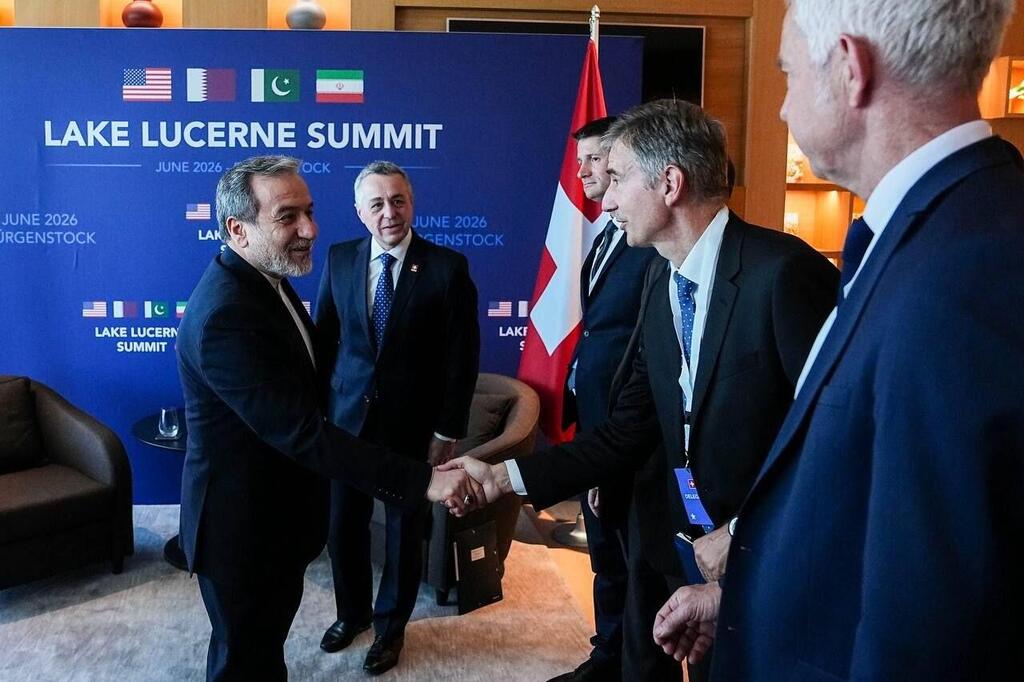
Araghchi arrives at talks
The joint statement also said the parties agreed to create a de-confliction cell involving the negotiating parties and Lebanon, facilitated by the mediators, to ensure adherence to the termination of military operations in Lebanon under the memorandum.
A U.S. diplomat involved in the talks said late Sunday that the sides had discussed “the Strait, Lebanon, nuclear issues, and details of implementing the MOU, among other topics.” The diplomat said discussions also included “clarifying some of the confusing messaging from Iran on the Strait and building deconfliction mechanisms to ensure the Strait will remain fully open.”
The talks were held against the backdrop of continued violence in Lebanon despite a new ceasefire announcement Friday. Trump warned Iran on social media to stop its “proxies in Lebanon from causing trouble,” saying the United States would strike Iran again if it did not rein them in. Vance, however, said Trump had asked U.S. officials to “turn over a new leaf” in relations with the Iranian people.
Technical talks are expected to continue at Bürgenstock for the remainder of the week.
Qatar and Pakistan said they would continue working to ensure that negotiations proceed in a constructive atmosphere, with the goal of reaching a final deal. The mediators also expressed appreciation to the United States and Iran for what they described as their commitment to diplomacy and a peaceful resolution of the conflict.