


Anti-Israel boycott activists celebrated on social media last week, convinced they had brought one of America’s most successful Israeli-American culinary groups to its knees. CookNSolo, the Philadelphia restaurant group founded by prominent Israeli-American chef Michael Solomonov and his business partner Steve Cook, announced that it would close six locations belonging to two of its fast-casual chains.
Pro-Palestinian activists, who have targeted the group since the beginning of the Gaza war, quickly claimed responsibility. An Instagram account devoted specifically to boycotting the company declared victory and argued that its campaign was the real reason for the decline in sales.
Gallery
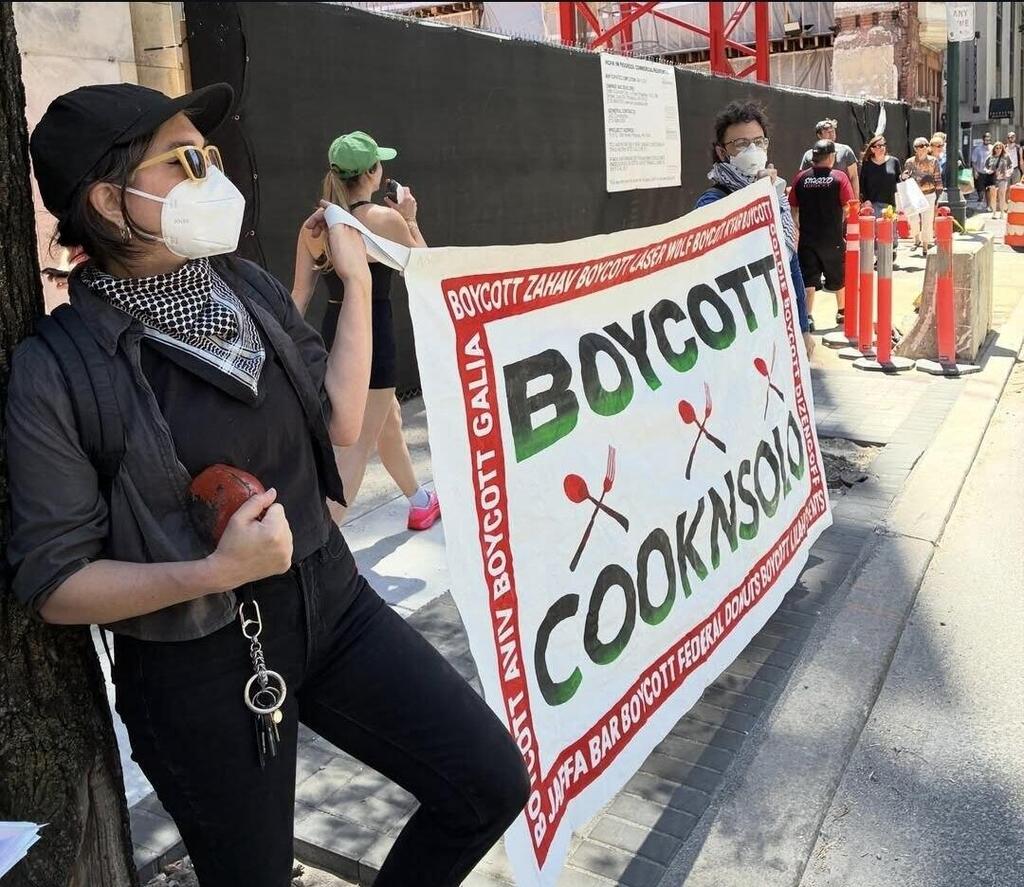
Protests against CookNSolo, an Israeli-supporting restaurant group
(Photo: BoycottCookNSolo Instagram account)
Other users insisted that the closures reflected consumers’ refusal to support “Zionist establishments,” rather than weakening demand for fast food, and accused news organizations of concealing the boycott’s effect.
The reality described by the owners, however, is considerably more complicated. Their experience raises a broader question confronting Jewish- and Israeli-owned businesses across the United States: Do public protests and boycott campaigns inflict lasting economic damage, or can they produce precisely the opposite result?
CookNSolo plans to close three locations of Goldie, its kosher falafel chain, and three branches of Federal Donuts, which sells fried chicken and hot doughnuts. Only two years ago, there was talk of expanding Federal Donuts to as many as 150 locations. Since then, its largest franchisee has closed several restaurants and returned others to the company, while a recently announced flagship location failed to generate the anticipated increase in sales.
The closures will cost 27 Federal Donuts employees and 18 Goldie employees their jobs, with hourly workers reportedly receiving no severance.
The campaign against the restaurant group intensified after the October 7 massacre, when Solomonov and Cook announced that they would donate $100,000 to United Hatzalah, Israel’s volunteer emergency medical organization.
The partners said their support for Israel was “not unconditional” and criticized Prime Minister Benjamin Netanyahu’s government. That did little to calm the protests. Tensions peaked when dozens of pro-Palestinian demonstrators gathered outside a Goldie location and chanted slogans accusing the restaurant of supporting genocide.
The demonstration sparked outrage within Philadelphia’s Jewish community and was publicly condemned by then-President Joe Biden, whose White House had previously hired Solomonov to cater events.
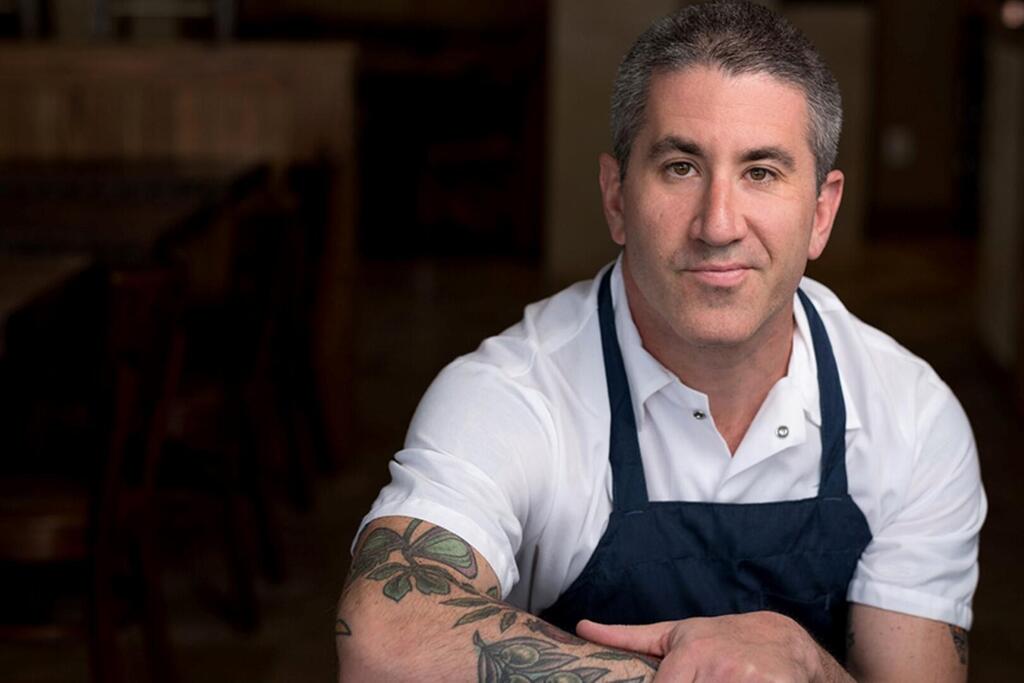
Chef Michael Solomonov, donated to United Hatzalah and was targeted by anti-Israel activists
(Photo: Steve Legato)
Cook firmly rejects claims that the boycott played any role in the recent closures. In an interview with The Philadelphia Inquirer, he described the decision as the result of economic pressures that had been building for years, including inflation, an oversaturated fast-casual restaurant market and the persistent decline in lunchtime traffic since the COVID-19 pandemic.
He added that Middle-class customers have increasingly turned to prepared food from supermarkets and convenience stores, while rising wages and ingredient costs have forced restaurants to increase menu prices. Those increases, in turn, have reduced customer visits. A lunch costing $10 to $15 is among the easiest discretionary expenses for consumers to eliminate.
Cook also offered a striking assessment of the protests’ immediate commercial effect, saying that every time there was a protest, it always led to a short-term boost in business.
The company continues to operate its successful flagship restaurants, many of which carry names connected to Israel, including Zahav, Dizengoff, K’Far Café, Jaffa Bar and Aviv in Miami.
Employees walked out, customers came in
Cook’s observation reflects a broader phenomenon across the U.S. Boycott campaigns intended to isolate Israeli- or Jewish-owned businesses can provide them with extensive free publicity. In many cases, Jewish and Israeli customers respond by visiting the targeted establishment and expressing solidarity with their wallets.
One prominent example unfolded at Caffè Aronne on Manhattan’s Upper East Side. After 25-year-old owner Aaron Dahan displayed Israeli flags and posters of the hostages held in Gaza, most of the café’s employees protested, abandoned their shifts and resigned.
The dispute quickly attracted widespread attention online and in the media, but the result was the opposite of what those hoping for the café’s collapse had expected. Community volunteers, including baristas from across New York, arrived to keep the business open as crowds of customers formed long lines outside in a display of solidarity.
The surge in support helped Dahan complete the demanding process of making the café kosher in May 2024, a move he described as “an expression of Jewish pride in the face of rising antisemitism.”
Dahan said the café recorded its highest-ever revenue, allowing him to donate costly medical equipment to Magen David Adom and provide financial assistance to small businesses in southern Israeli communities affected by the war.
Not every business targeted by such campaigns receives a Hollywood ending in which packed counters overcome months of pressure. In some cases, anti-Israel campaigns combined with operational problems and legal disputes, ultimately making business survival impossible.
Shouk, a Washington, D.C., vegan street-food chain founded by Israeli entrepreneur Ran Nussbacher and his partner Dennis Friedman, spent months contending with a boycott campaign, demonstrations and repeated disruptions.
The owners said people entered the restaurants to shout, disturbing images from the Gaza war were pasted onto the windows and customers were harassed. When Shouk closed in 2025, the company explicitly said that the political climate and consumers’ reluctance to visit Israeli-affiliated businesses had contributed to the decision. Boycott organizers celebrated the shutdown as a local BDS victory.
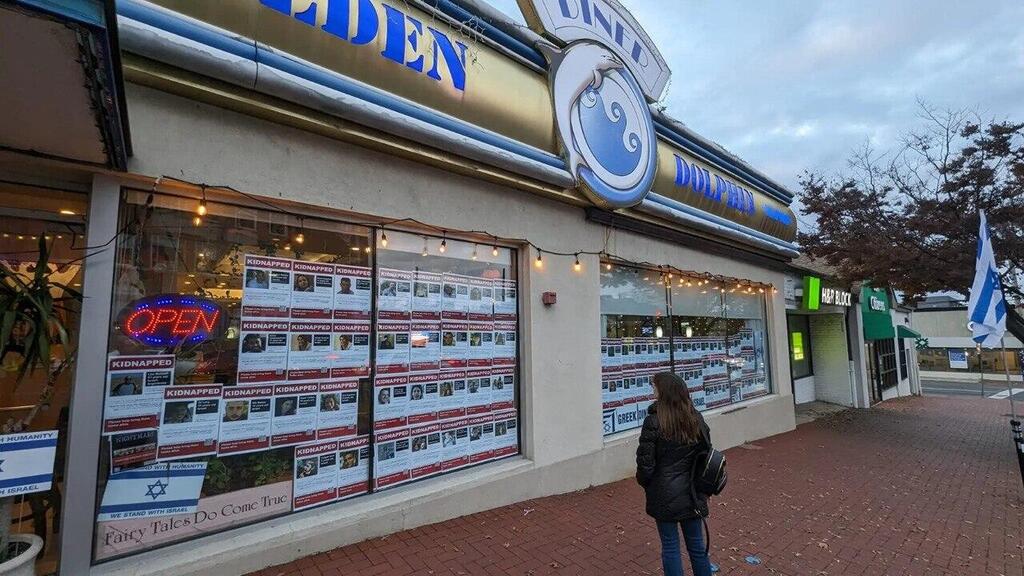
The diner displayed support for the hostages and faced harassment
(Photo: Courtesy)
A similar outcome befell the Golden Globe Diner in Huntington, Long Island, which permanently closed after serving the community for decades.
Owner Peter Tsadilas is not Jewish, but he prominently displayed hostage posters, Israeli flags and a sign declaring that “Greek diners stand with Israel.” The display drew angry reactions from some residents, cost the diner regular customers and triggered harassment from passersby who accused Tsadilas of supporting genocide.
The campaign culminated in vandalism when the restaurant’s front window was smashed during the night. The community again mobilized. A crowdfunding campaign quickly raised more than $10,000 from over 300 donors to repair the damage and strengthen security.
But the diner was unable to survive. Tsadilas was also exhausted by a long and expensive legal dispute with the property owner involving increased rent and renovations that he said had not been completed on time. He said he spent more than $250,000 on legal expenses before the threat of eviction forced him to close the business he had built over decades.
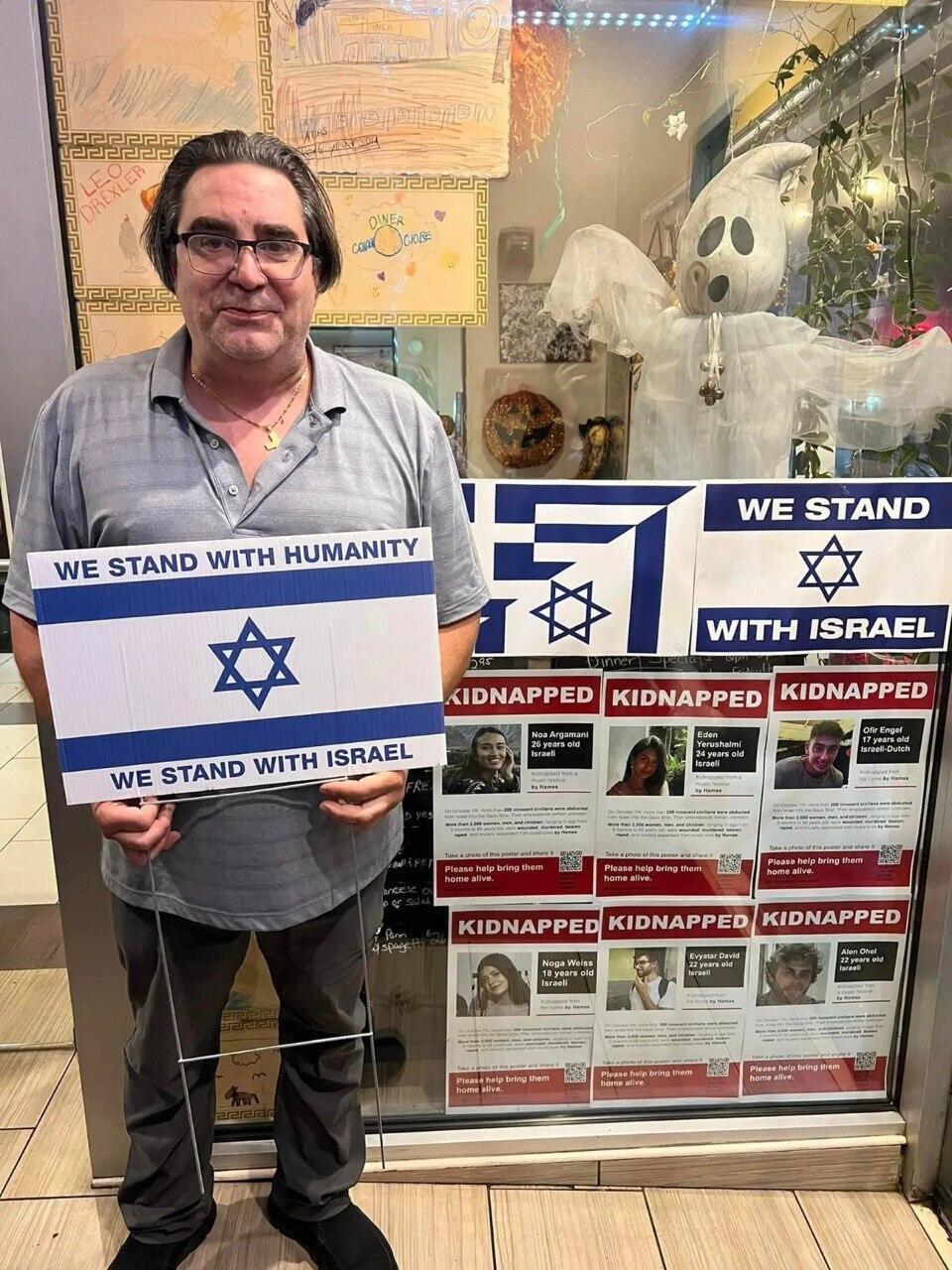
Diner owner Peter Tsadilas, who supported Israel and was ultimately forced to close
(Photo: Courtesy)
The wave of protests targeting Israeli- and Jewish-linked food businesses in the U.S. has also reached larger, more established chains facing pressure from both inside and outside. Earlier this year, employees at New York’s Breads Bakery, which employs about 275 workers, announced plans to unionize.
Alongside demands related to pay, safety and working conditions, union organizers called for an end to what they described as the company’s support for “the genocide happening in Palestine.”
Employees objected to the bakery’s participation in Jewish food events, calling it a “Zionist project,” and to fundraising initiatives led by Israeli-born owner Gadi Peleg and CEO Yonatan Floman, which included selling baked goods that raised tens of thousands of dollars for Israeli aid organizations after the Hamas-led October 7 attack.
The backlash drew extensive media coverage, prompting Israeli and Jewish customers to converge on the bakery’s branches in a show of solidarity, forming long lines outside, asking for “a little Zionism with their coffee.”
The same pattern of enthusiastic consumer support, ringing cash registers and customers lining up in response to boycott calls was also seen at the expanding Tatte Bakery & Café chain.
The chain, founded outside Boston in 2008 by Israeli pastry chef Tzurit Or, developed a devoted customer base but also faced backlash. Calls to boycott the chain intensified ahead of the opening of its New York flagship over Or’s Israeli background and claims that a major investor, Panera Bread founder Ron Shaich, had donated to Israeli organizations and the IDF. Or said the protests did not damage the company’s bottom line.
Tsion Cafe, New York’s only Ethiopian-Israeli restaurant, announced in February that it would no longer operate as a conventional walk-in restaurant and would instead host pre-booked culinary and cultural events.
Owner Beejhy Barhany said she had long planned to move toward an events-based model, but also described a campaign of harassment, vandalism and death threats that intensified after she made the restaurant strictly kosher as an act of Jewish pride.
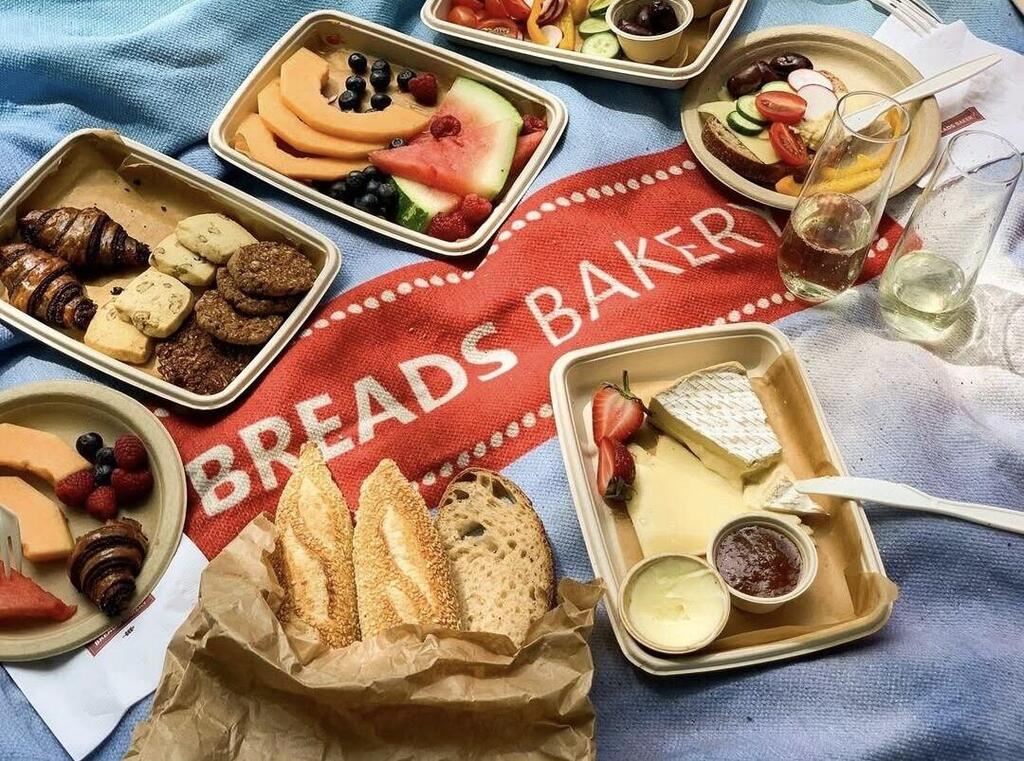
Breads Bakery
(Photo: Printscreen of Breads Bakery Instagram account)
The struggle over public opinion in the United States has moved far beyond university campuses and diplomatic politics. It has reached restaurant tables, menus, bakery counters and coffee shops.
Boycott organizations and BDS activists routinely portray the closure or contraction of an Israeli-linked business as a major political victory, even when owners attribute the decision primarily to inflation, falling demand, legal disputes or the notoriously unforgiving economics of the restaurant industry.
Yet the experiences of these businesses also show that public attacks and boycott calls can operate as a double-edged sword. They may generate enormous amounts of free publicity and mobilize Jewish, Israeli and pro-Israel customers, producing an immediate rise in sales and strengthening targeted businesses, at least temporarily.
Community solidarity has proved capable of functioning as a significant economic force. Some small-business owners eventually collapse under the combined weight of political pressure, market conditions and operational challenges. For others, however, the attempt to drive customers away has instead sent them lining up at the register.
First published: 17:52, 07.16.26