

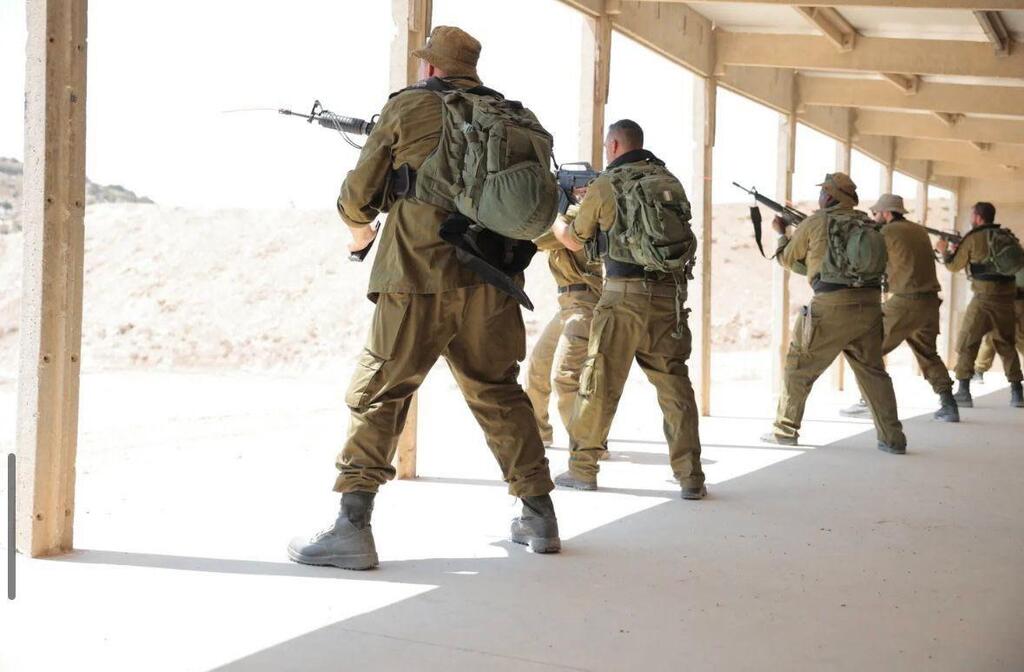
In a major policy shift following the deadly October 7 attacks, the IDF is preparing to arm around 10,000 reservists from the 96th Division with long rifles to be kept at home year-round, aiming to dramatically cut response times in future emergencies.
The move comes after critical delays during Hamas’ surprise assault, when many civilian communities near the Gaza border were left unprotected for hours. In several cases, local emergency squads had no access to weapons.
“We remember exactly why it took six hours for forces to reach Nir Oz,” said a senior officer in the 96th Division. “Before October 7, many standby squads didn’t have weapons at home or in their towns. That led to catastrophe.”
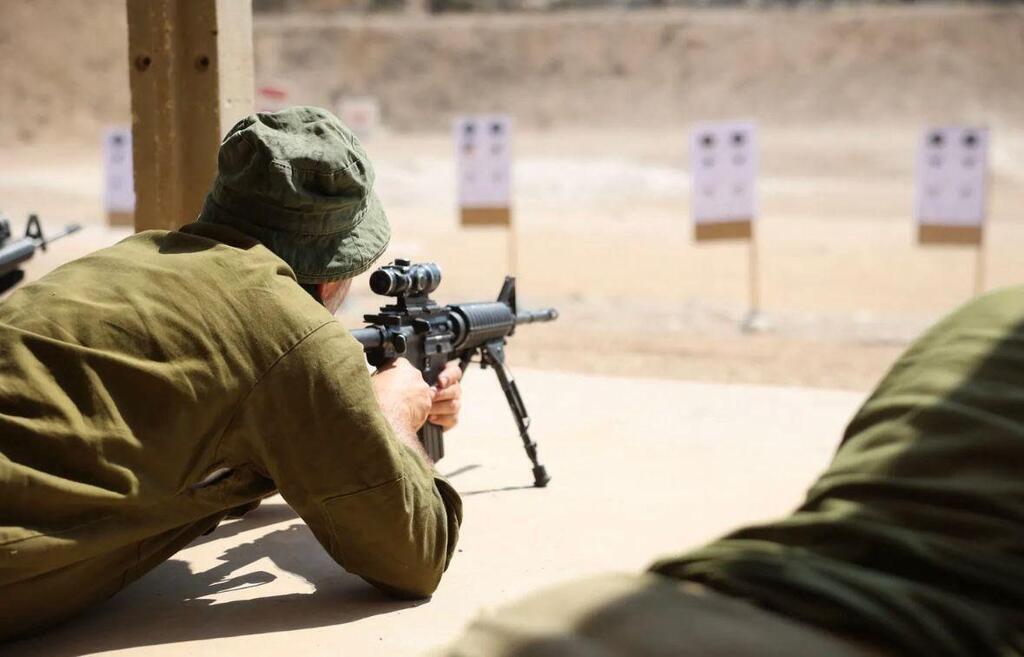
The reservists — mostly volunteers aged 40 to 60 — will receive an M4 or upgraded M16 rifle, magazines, a combat vest and a helmet. The equipment will be stored in a large, IDF-issued safe installed inside their homes. Each soldier will undergo medical, psychological and criminal background checks before being approved.
Previously, the IDF prohibited most soldiers from storing weapons at home, fearing theft or accidental misuse. But after October 7, that policy has been reversed for select reservists, who are also expected to complete operational duty before receiving their weapon.
The 96th Division was established about a year ago as part of a broader overhaul of the reserve system. Recruitment has been steady, though some battalions remain below the 400-soldier threshold. Despite that, IDF commanders say motivation is high and turnout in recent training programs has approached 98%.
During a large drill last month simulating coordinated attacks across the West Bank and a cross-border infiltration from Jordan, reservists from the division’s Tel Hai Brigade took a leading role. The brigade is also training new company and battalion commanders.
Col. Roi, who commands the 96th Division, said the goal is for fighters to respond directly from their homes and reach key junctions or combat zones within an hour—far faster than the cumbersome process of retrieving weapons from emergency stores.
(Photo: IDF)
“On October 7, I was a deputy commander in the Paratroopers Reserves,” he said. “By the time we got to the emergency base, picked up gear, and reached the south, it was too late. Now, we’re building battalions that can respond immediately and hold the line until regular forces arrive.”
So far, hundreds of reservists have received rifles, with dozens more joining the initiative each month. The weapons being issued are standard IDF rifles—not encrypted systems or heavy arms—and are secured in homes under strict supervision.
Though most of the reservists are in their 40s and 50s, some volunteers are much older, including one 72-year-old who briefly commanded a company. Many of these veterans have since been placed in staff roles.
“This isn’t a hostage rescue force,” said Roi. “These units are meant to hold roadblocks, secure strategic points and respond fast. After October 7, we no longer need to imagine what it means to drop everything and head straight into combat—it already happened. This time, we’ll be ready.”