


In January 2027, the reduction of mandatory military service to 30 months will take effect at a critical time, as Israel's defense establishment faces unprecedented challenges and a severe manpower shortage. When Prime Minister Benjamin Netanyahu and Foreign Affairs and Defense Committee Chairman Boaz Bismuth announced plans to advance legislation exempting ultra-Orthodox men from military service, they also pledged to move forward, as part of the same package, with legislation extending mandatory service to 36 months. But the exemption bill has stalled, and so has the measure viewed by the defense establishment as essential.
The Knesset is expected to dissolve within the next two and a half weeks, making the chances of completing the legislative process slim to none. In practical terms, every cohort of conscripts released earlier than before will have to be replaced by a larger call-up of reservists. According to senior IDF officials, that means roughly 8,000 additional reservists will be needed every day to bridge the resulting manpower gap.
Gallery
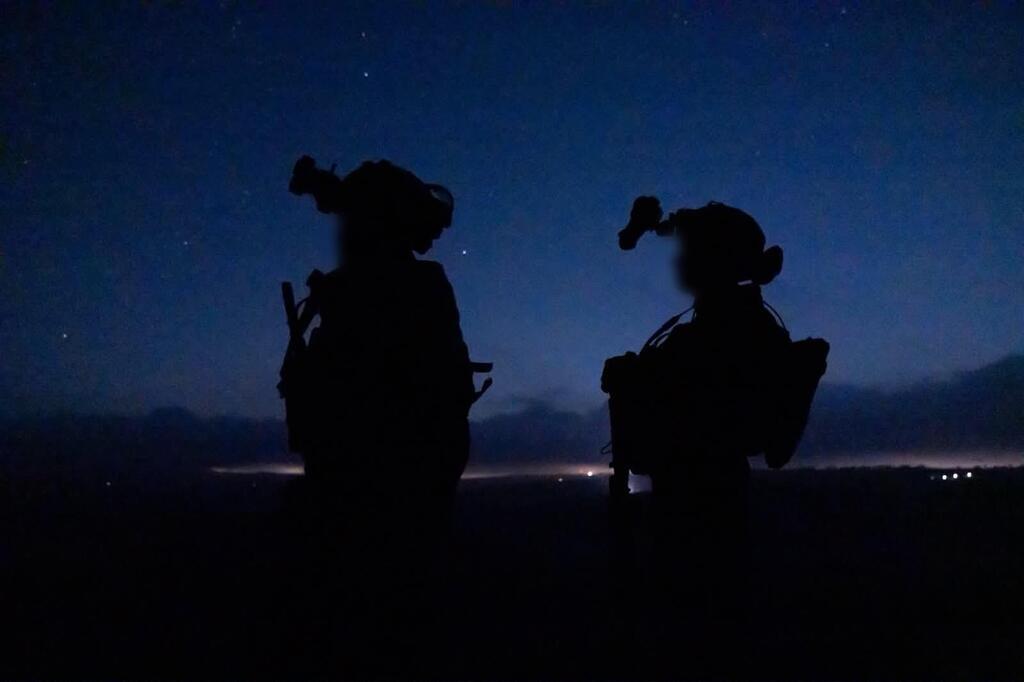
Israel's defense establishment faces unprecedented challenges and a severe manpower shortage
(Photo: IDF Spokesperson)
For reservists, who leave behind their families and civilian lives, the impact will be even greater burnout, with consequences for their families, workplaces and businesses. The cost to Israel's economy will also rise, both through higher defense spending and the absence of thousands of workers from the labor market.
At a time when the IDF is operating in Lebanon, Syria, Gaza and the West Bank, and could also be required to return to fighting in Iran, the already heavy burden on reservists is expected to increase further. The military is already grappling with a shortage of many thousands of soldiers.
Instead of expanding the standing army and reducing reliance on the reserve force, the state continues to place most of the burden on reservists who have already served for months since the war began. Given the current security situation, many believe this policy places an even greater strain on those serving and on the Israeli economy.
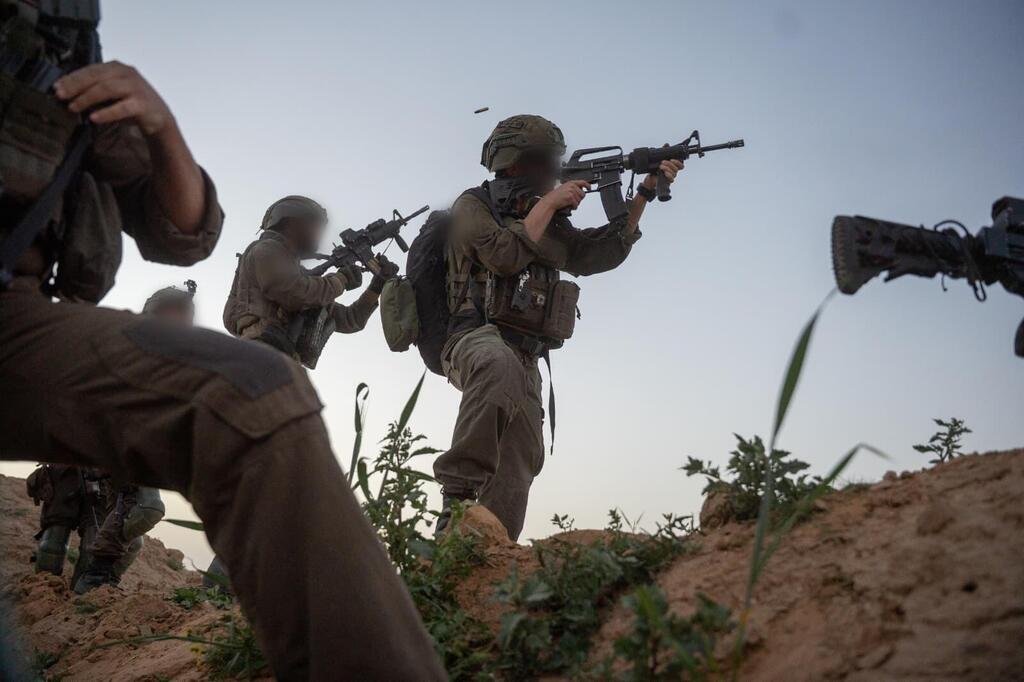
IDF is operating in Lebanon, Syria, Gaza and the West Bank, and could also be required to return to fighting in Iran
(Photo: IDF Spokesperson)
Last March, IDF Chief of Staff Lt. Gen. Eyal Zamir warned during a cabinet meeting that "the IDF is going to collapse into itself" because the government had failed to pass legislation regulating the enlistment of ultra-Orthodox men and extending mandatory military service.
Zamir said the military is operating across several active fronts, including Lebanon, the Gaza Strip, the Syrian border and the West Bank. According to reports, he warned that if the current trend continues, "the army will collapse into itself." He added: "Before long, the IDF will no longer be able to carry out its routine missions. The reservists will not be able to keep going."
It was not the first time Zamir had warned about the military's manpower shortage. Last June, two days before Operation Rising Lion, during a visit to the Gaza Strip, he said: "The State of Israel cannot exist on the basis of a minimal force structure. It needs broad security margins. More standing and reserve troops will ease the burden on reservists."