

Britain’s concerns over an expansion of the fighting and its regional consequences are mounting after London withdrew its diplomatic personnel from Tehran on Wednesday amid escalating hostilities between Iran and the United States.
“People don’t understand how serious the situation in the Strait of Hormuz is, and it is about to ignite,” a British defense official told the Financial Times on Saturday.
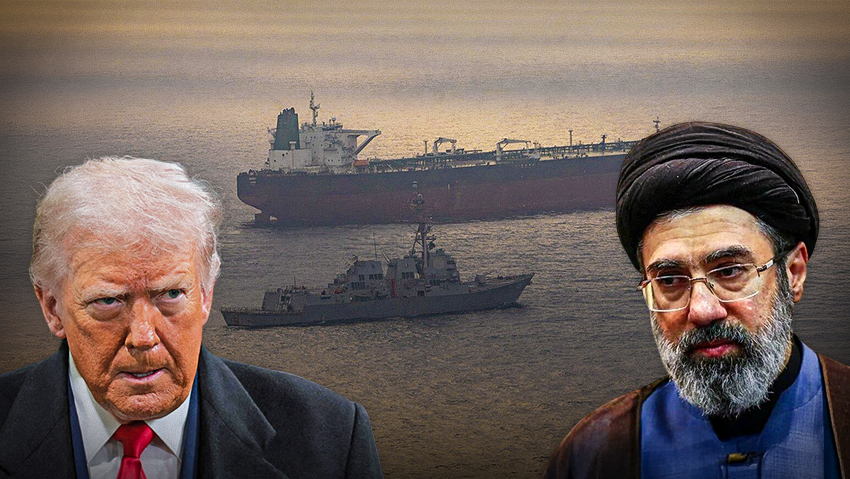
Following expectations of a strike overnight between Friday and Saturday that could have reignited intensive fighting and potentially drawn Israel into the conflict, the United States and Britain are reportedly discussing a meeting of defense ministers and military commanders from dozens of countries to consider establishing an international naval force to protect vessels in the Strait of Hormuz from repeated attacks by Iran’s Revolutionary Guard Corps.
Representatives from as many as 40 countries could attend the meeting in London this week, according to the report. No final decision has yet been made on whether it will take place.
British officials said the talks could include countries that previously participated in an existing British- and French-led coalition. The proposal emerged during a conversation Friday between Britain’s newly appointed defense secretary, Wes Streeting, and US Defense Secretary Pete Hegseth. A person close to Streeting described the exchange as “a very warm call.”
The maritime coalition led by London and Paris has until now focused on scenarios for securing shipping after the fighting ends. One plan would see a multinational stabilization force help reopen the strait, restore freedom of navigation and conduct mine-clearing operations only once conditions allow. Britain and France previously convened representatives from 38 countries to support such a defensive mission.
But fears of renewed escalation are growing in London, and British Defense Ministry officials have reportedly been placed on standby in case the proposed meeting is convened at short notice.
Relations between Britain and the United States had become strained in recent months after former prime minister Keir Starmer refused to grant the US military unrestricted use of British bases for strikes against Iran. Britain later authorized operations from its bases under a self-defense justification after Iran attacked US allies in the region.
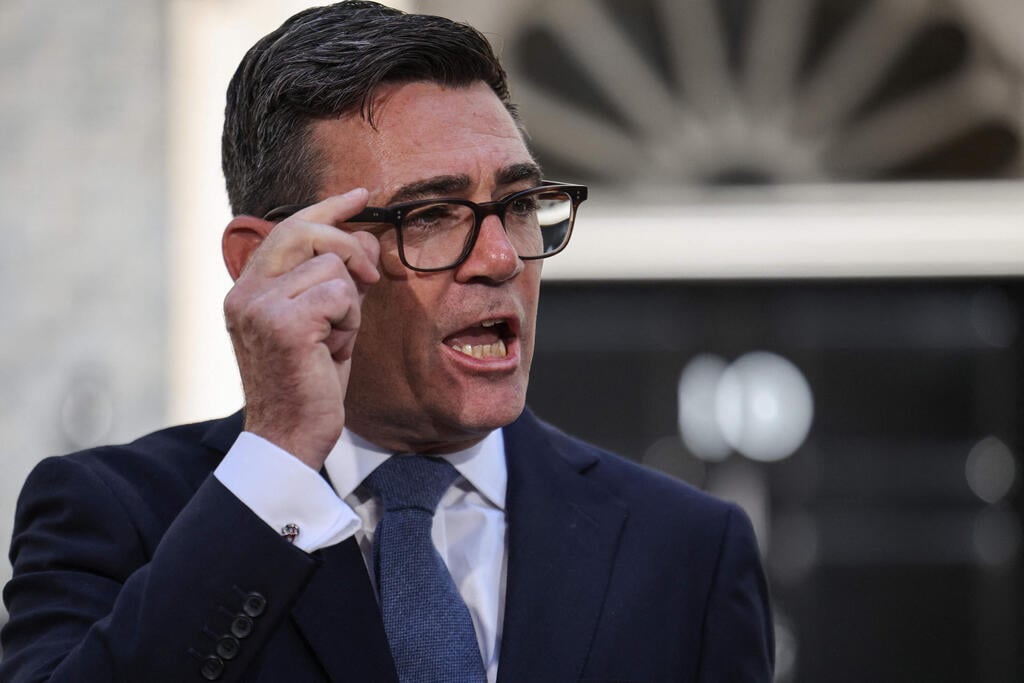
Prime Minister Andy Burnham
(Photo: Henry NICHOLLS / AFP)
Efforts now appear to be underway to repair the relationship. On Monday, incoming Prime Minister Andy Burnham held his first call with US President Donald Trump.
Discussing the Strait of Hormuz, Burnham’s office said the prime minister had “emphasized the United Kingdom’s commitment to securing shipping through the strait in order to support global supply chains and reduce costs for businesses and families across the country.”
Newly appointed Foreign Secretary Ed Miliband also held his first bilateral meeting with US Secretary of State Marco Rubio this week on the sidelines of a summit in the Philippines, repeating Burnham’s message about freedom of navigation through Hormuz.
Last month, Hegseth sharply criticized European leaders for denying Washington unrestricted access to military bases.
“These allies are putting America’s sons and daughters at risk by denying them the expected access, basing and overflight that should never have been in question in the first place,” he said.
US ‘choosing what to intercept’ amid missile shortage
Meanwhile, the US military and Iran’s Revolutionary Guard refrained from firing overnight for the first time after 13 nights of reciprocal attacks.
During the preceding two weeks, however, Iran launched missiles and explosive drones almost daily at civilian infrastructure and US bases across Gulf countries. The attacks caused damage and casualties, and NBC News reported that American forces had deliberately declined to intercept some of the incoming weapons.
According to two senior US officials cited by the network, commanders are deciding which Iranian missiles and one-way attack drones to intercept and which to allow to continue, as they seek to conserve a shrinking stockpile of interceptors.
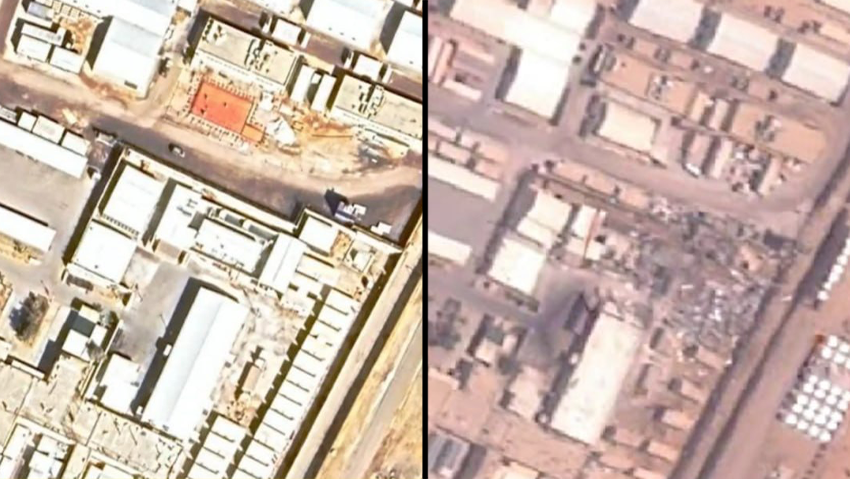
Damage at a base in Jordan following Iranian attacks
(Photo: Soar Atlas)
The military reportedly avoids launching interceptors when a weapon has veered off course or is assessed as unlikely to strike American forces.
The officials said each decision is made individually, based on the weapon’s trajectory and the level of danger it presents. The policy reflects mounting pressure on US air-defense systems after weeks of Iranian attacks on bases and troop deployment sites across the region.
The military is seeking to preserve its interceptors for threats judged highly likely to cause casualties or significant damage.
Four American service members have been killed since fighting between the United States and Iran resumed. Trump attended a ceremony in Delaware on Wednesday marking the return of their remains.
Three were killed in a combined Iranian drone and missile attack on Muwaffaq Salti Air Base in Jordan: Tyler Pyehan, 25, of Hawaii; Angel Rampersad, 28, of New York; and Isabella Gonzalez, 19, of Texas.
A fourth service member, Michael Swinton, 30, of North Carolina, was killed in Erbil, Iraq, during the controlled detonation of an explosive drone.