


A sharp public confrontation has erupted between Slovenian Prime Minister Janez Janša and President Nataša Pirc Musar over the country’s policy toward Israel and the war in Gaza.
The dispute follows Janša’s meeting with Yesha Council chairman Yossi Dagan, during which he said, “God bless the residents of Judea and Samaria,” and his government’s decision to veto publication of a joint European Union statement condemning Israel’s E1 construction plan.
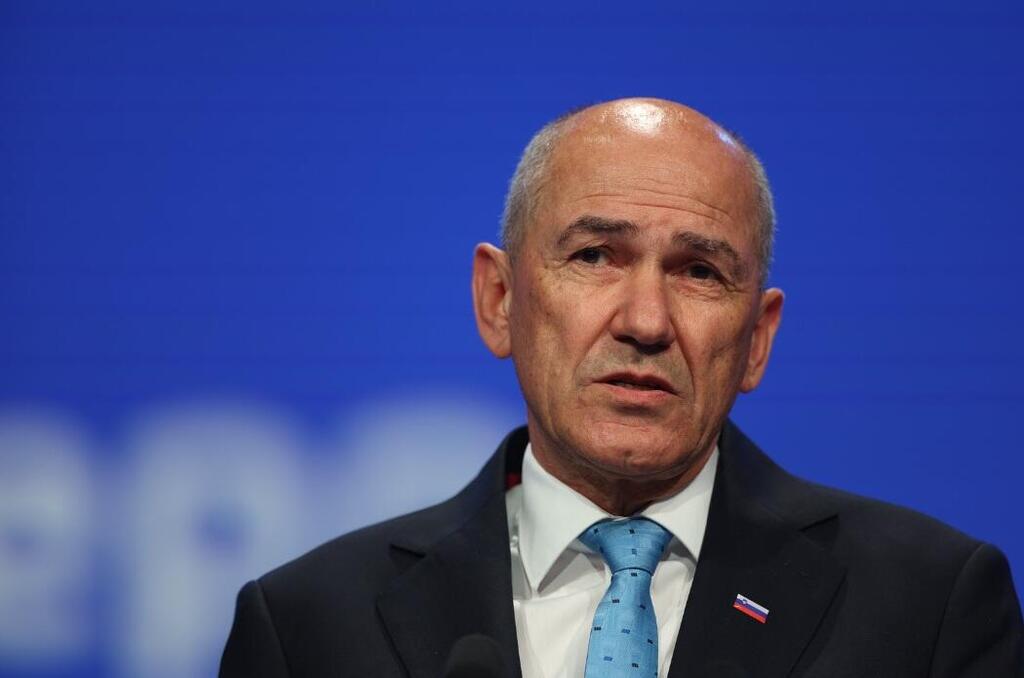
Pirc Musar criticized the government’s position, saying that “international law is not a matter of political choice” and must apply equally to everyone. She argued that Slovenia should support a clear European position against the expansion of Israeli settlements in the West Bank and said there should be no “double standards” in the application of international law.
Janša responded sharply, insisting that Slovenia is a sovereign state and is not bound by a European foreign-policy position unless it has agreed to it. “Yugoslavia no longer exists. This is Slovenia,” he wrote, emphasizing the country’s independence and sovereignty.
He also argued that there was a contradiction between invoking international law and using the term “genocide” in relation to Gaza or the West Bank, saying no competent international body had made such a determination. He described use of the term as “a political choice of a special kind.”
Janša added that Slovenia is an equal member of the European Union and that without its consent, or the consent of any other member state, there is no European foreign-policy position that Ljubljana must automatically accept.
“We are decision-makers, not slaves,” he wrote, adding that his government intends to pursue a pragmatic policy in all areas under its constitutional authority, with the welfare of Slovenian citizens as its top priority.
The clash exposes an unusual divide at the top of Slovenia’s political system. While the president is urging the country to align itself with the more critical European approach toward Israeli policy in the West Bank, the prime minister is stressing national sovereignty, rejecting automatic alignment with EU positions and warning against what he sees as the political use of legal terms such as “genocide.”
Slovenia took an unusual step in the European arena last week that may signal a broader shift in its relations with Israel. Janša’s government vetoed publication of a joint statement by all 27 EU member states condemning Israel’s construction plans in the E1 area, east of Jerusalem in the West Bank.
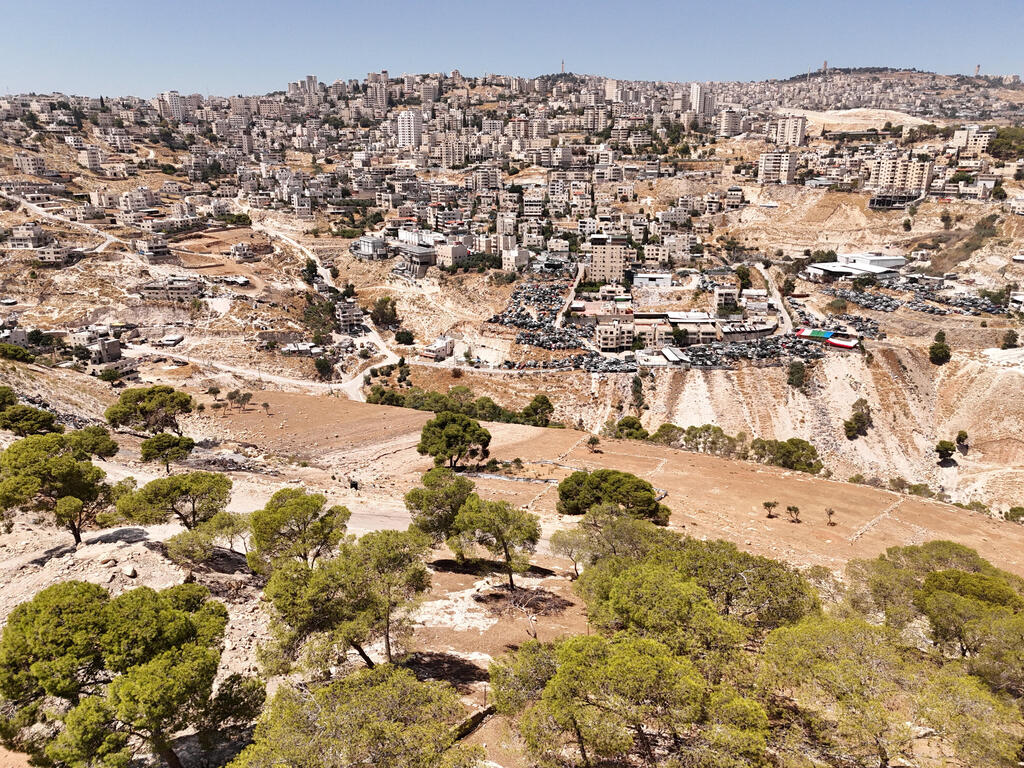
E1 corridor
(Photo: Shaul Golan)
The Slovenian veto did not prevent the European Union from criticizing the Israeli plan, but it blocked the condemnation from becoming an official consensus statement by all member states.
With no unanimity, EU foreign policy chief Kaja Kallas issued a statement on August 23 in her own name and on behalf of the European External Action Service.
Slovenia was not alone in blocking the joint statement. The Czech Republic, which has previously opposed anti-Israel initiatives within the EU, also withheld support.
The contrast with Slovenia’s previous government is stark. That government regularly backed statements critical of Israel, including one opposing E1 as recently as May 22, 2026.
Janša’s new government took office in June, and the dispute now unfolding between the prime minister and president underscores how quickly Slovenia’s position toward Israel has shifted.