

The IDF said Thursday it struck Hezbollah operatives in southern Lebanon as the Shiite terror group works to rebuild its military infrastructure destroyed during recent fighting.
The military said an unmanned aircraft struck a Hezbollah construction unit’s facility near the coastal city of Tyre. The site, according to the IDF, was used to produce equipment for restoring terror infrastructure previously hit in Israeli operations.
Israeli strikes in southern Lebanon


Arab media reported that the strike targeted a compound containing “iron and sawdust workshops.” One person was killed and three others were wounded, according to the reports.
The IDF said the attack was led by its Northern Command. “Hezbollah’s activity at the site violated the understandings between Israel and Lebanon,” the military said. “The IDF will continue to act to remove any threat to the State of Israel.”
The municipality of Kiryat Shmona, near Israel’s northern border, said residents might hear explosions following the strikes. “At this stage there is no impact on the civilian area and no special instructions,” the city said.
The strike came as Lebanon’s army prepared to present its second progress report to the government on consolidating all weapons under state control, a long-standing demand under U.N. Security Council Resolution 1701, which ended the 2006 Israel-Hezbollah war. The meeting was chaired by President Joseph Aoun.
Information Minister Paul Morcos had announced in September that the army would submit monthly reports on the disarmament process, but so far only one report has been delivered.
Lebanese and Arab media have focused on whether the recent cross-border incidents signal a potential military escalation or possible indirect talks with Israel. Questions remain about whether Lebanon would agree to direct or mediated negotiations and how such talks would be conducted.
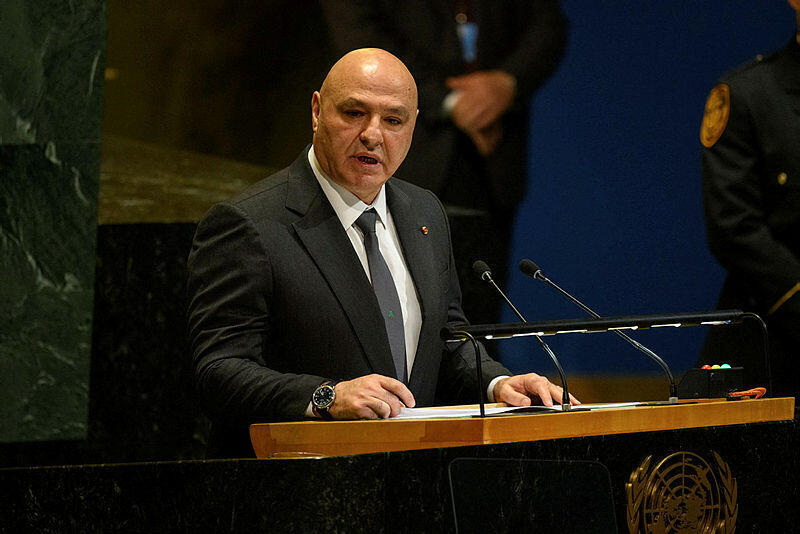
In a statement addressed to President Aoun, Parliament Speaker Nabih Berri, and Prime Minister Nawaf Salam, Hezbollah said Lebanon was “focused on halting the aggression in accordance with the cease-fire declaration and on pressuring Israel to comply with it.” The group said Lebanon “will not succumb to blackmail or engage in political negotiations with Israel,” calling such talks a “threat to Lebanon’s sovereignty and national interests.”
Hezbollah affirmed what it called its “legitimate right to resist occupation and aggression,” saying its actions were defensive. The statement came a week after Aoun ordered the army commander, Gen. Rudolph Heikal, to “confront any Israeli incursion into the liberated lands of southern Lebanon.” The directive followed reports that a local worker was killed during Israeli activity in the village of Blida.
Saudi outlet Al Arabiya cited Lebanese military sources as saying the army’s new report includes details of its deployment plan south of the Litani River, with the first phase expected to be completed by year’s end. A second phase, north of the river, depends on political developments and decisions regarding negotiations with Israel.
Sources close to Hezbollah told Al Arabiya the group supports the army’s plan and maintains regular coordination with the Lebanese Armed Forces. They said Hezbollah’s stance mirrors that of Speaker Berri, favoring a framework similar to the maritime border talks with Israel that relied on technical experts and international mediation.
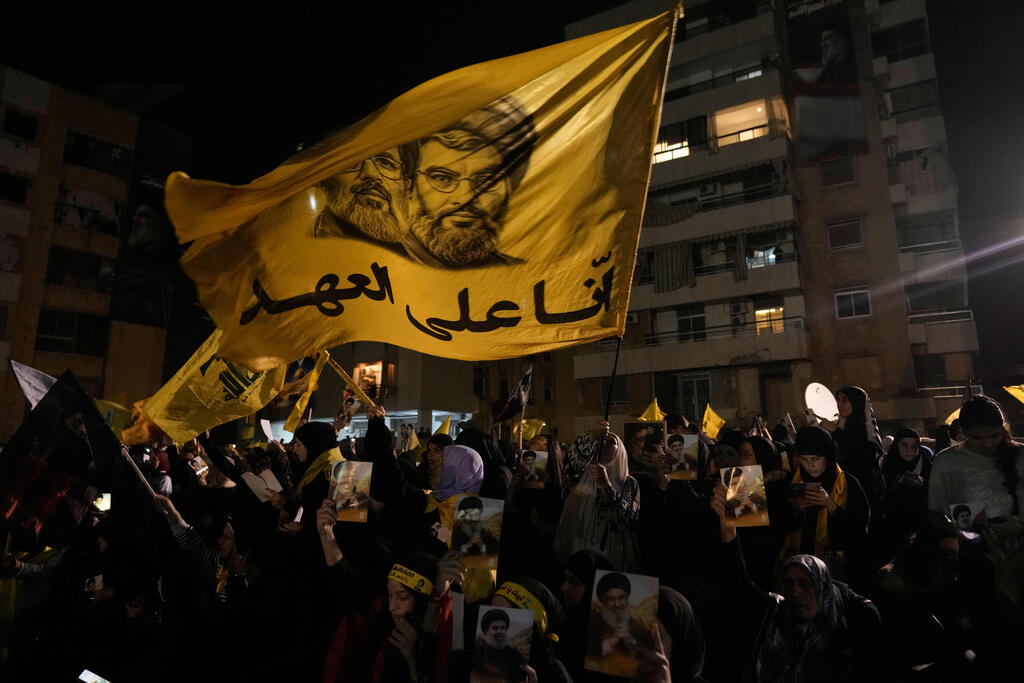
(Photo: AP Photo/Hassan Ammar)
The Qatari daily Al-Araby Al-Jadeed quoted a Lebanese military source saying the report will highlight progress in confiscating weapons, dismantling military sites, closing tunnels, and uncovering more than ten weapons depots since September. The source said the main obstacle remains the “continued Israeli presence in parts of southern Lebanese territory.”
A parliamentary source from Hezbollah told the paper the group “fully supports the army’s plan” and “facilitates its implementation.”
Lebanese government sources told Al-Araby Al-Jadeed that the policy of limiting weapons to the state “remains in effect” and that negotiations with Israel “aim to end the occupation,” but that “Israeli aggression must stop first.”
A Hezbollah official told the paper the group “does not seek war but insists Israel fulfill its commitments,” adding that “Lebanon cannot be subjugated through force or pressure.”
President Aoun said earlier this week that Lebanon “has no choice but to negotiate,” adding: “In politics, there are three tools — diplomacy, economy, and war. When war leads nowhere, negotiations remain. Negotiations are not with a friend or ally, but with an enemy.”