


France is ramping up diplomatic efforts to persuade Western nations to recognize a Palestinian state, with plans to make a coordinated announcement during a peace summit at the United Nations next month.
French President Emmanuel Macron is organizing the June 17 conference in partnership with Saudi Crown Prince Mohammed bin Salman. Paris hopes a number of European countries, including Belgium, Portugal and Luxembourg, will back the initiative and publicly endorse Palestinian statehood at the event.
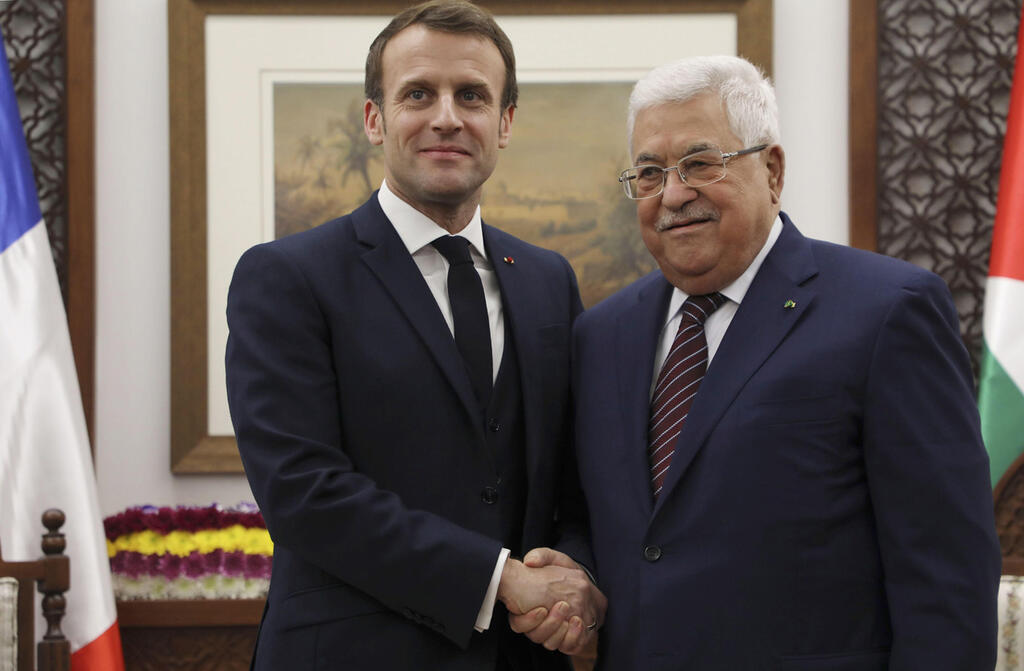
A senior Israeli official accused Macron of attempting to “generate an anti-Israel atmosphere to convince as many countries as possible to recognize a Palestinian state.”
Diplomatic tensions are mounting as Israel and its allies, led by Ambassador to the UN Danny Danon, work with the United States to block the French initiative. Danon is actively lobbying other countries to reject the recognition effort.
Belgium poses a particular challenge to France’s plan. The country’s right-wing prime minister has expressed reservations, prompting French officials to apply heavy pressure in an attempt to win support.
Separately, Israel is preparing for a UN Security Council session scheduled for May 28, where several European states are expected to call for an end to the war in Gaza and the immediate entry of humanitarian aid. Israel is again working with Washington and hopes the U.S. will exercise its veto power if necessary.
Diplomatic sources described growing international backlash as a “tsunami” that began at a recent meeting of the European Union’s Foreign Affairs Council. During that session, multiple countries pushed to suspend EU trade agreements with Israel.
Dutch media reported this week that the Netherlands had secured backing from at least 17 member states to initiate a formal debate within the EU on canceling its partnership agreement with Israel.
European Commission Vice President Kaja Kallas said the move remains reversible and rests on Israel’s actions. “There was a strong majority for the decision,” Kallas said. “Countries see the situation in Gaza as unsustainable and believe humanitarian aid must be allowed in immediately.”
Kallas also confirmed that there were discussions on sanctioning Israeli government ministers and settlers—reportedly proposed by Sweden’s foreign minister—but the proposal was blocked by at least one opposing member state.
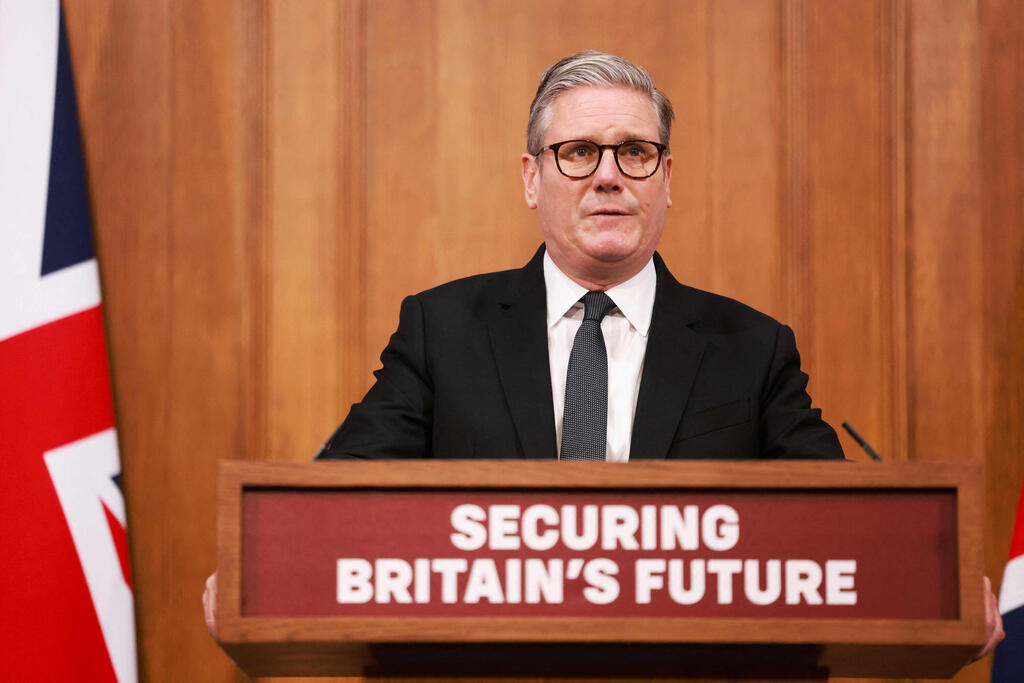
(Photo: AFP)
On Tuesday, the United Kingdom escalated pressure by halting talks on a future free trade agreement with Israel, summoning Israeli Ambassador Tzipi Hotovely for a formal reprimand, and imposing sanctions on several Israeli settlers. The move followed similar threats from Canada and France.
Get the Ynetnews app on your smartphone: Google Play: https://bit.ly/4eJ37pE | Apple App Store: https://bit.ly/3ZL7iNv
These developments could have serious economic consequences for Israel. The U.K. is one of Israel’s largest trading partners, with bilateral trade worth an estimated £9 billion ($11.4 billion). The proposed agreement, seen as crucial to Israel’s tech industry, was expected to cover additional sectors.
A senior Israeli Foreign Ministry official warned Tuesday that the diplomatic crisis is deepening. “We’re facing a real tsunami that’s only going to intensify,” the official told Israeli news outlet Ynet. “This is the worst situation we’ve ever been in. Since November 2023, the world has been seeing only dead Palestinian children and flattened homes. They’ve had enough.”
The official added, “Israel isn’t offering any solutions, any vision for the day after, any hope—just death and destruction. The quiet boycott was already here, and it will grow. We cannot take this lightly. No one wants to be associated with Israel right now.”