

Tensions between Iran and Lebanon escalated Wednesday after Beirut’s top diplomat publicly criticized Tehran for what he said was renewed interference in Lebanese affairs following the killing of senior Hezbollah military commander Haytham Ali Tabatabai.
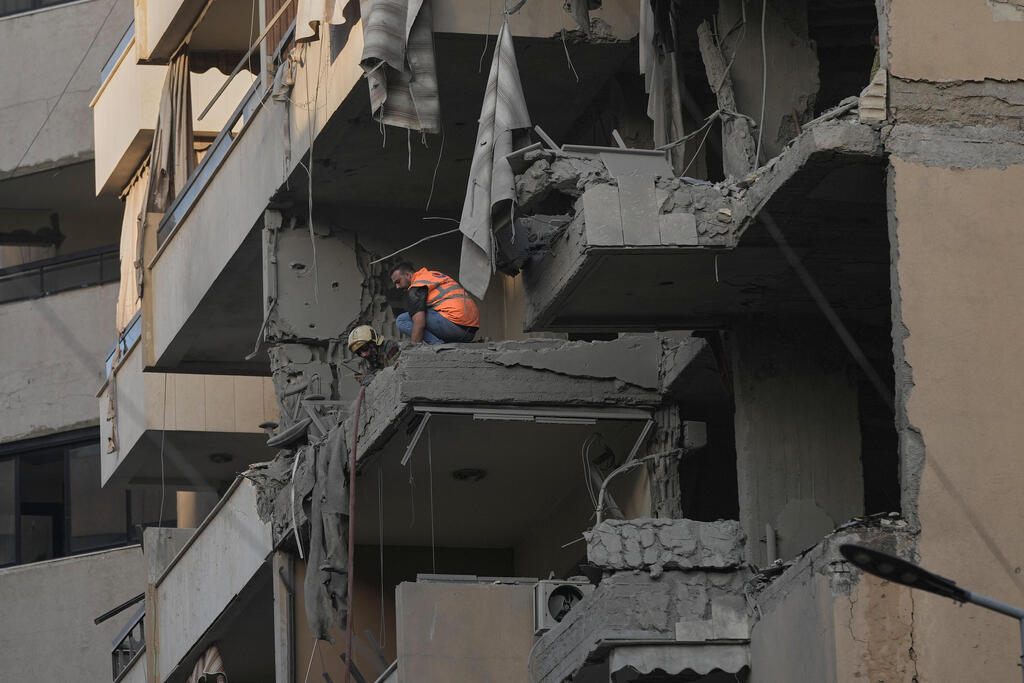
Tabatabai, a senior figure in the Iran-backed terrorist organization, was killed Sunday in a strike in Beirut’s Dahieh district. Lebanese officials blamed Israel for the strike, which prompted a wave of statements from senior Iranian officials praising Hezbollah and condemning Israel.
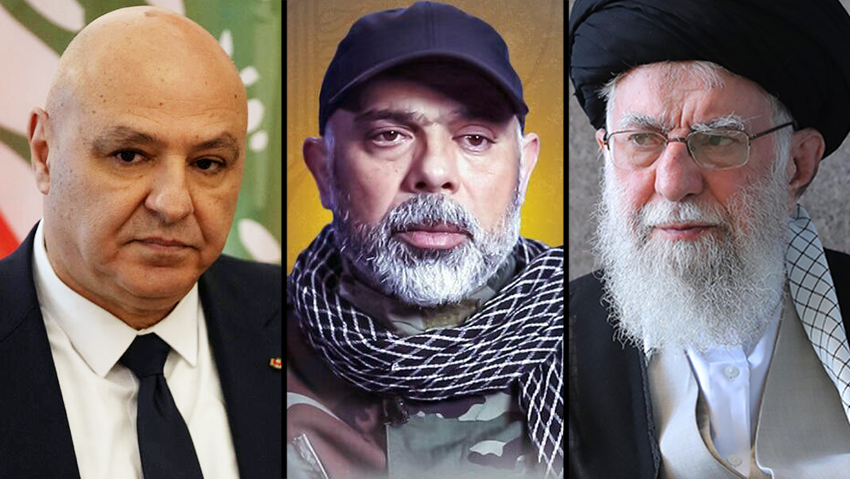
Two days before the killing, Iranian Foreign Minister Abbas Araghchi wrote on X that his Lebanese counterpart, Youssef Rajji, had invited him to talks in a neutral country to address outstanding issues between the two states. Araghchi said Iran did not interfere in Lebanon’s internal affairs and welcomed any dialogue that would strengthen relations.
After Tabatabai’s death, Iranian officials sharpened their tone. Ali Akbar Velayati, a senior adviser to Iran’s supreme leader, said Hezbollah’s presence was “more important to Lebanon than bread and water” and accused Israel of repeatedly violating the ceasefire on the northern border. He said Israel was trying to intimidate Lebanon by targeting Hezbollah.
Rajji reposted Araghchi’s message Wednesday and issued a rare public rebuke. He wrote that Lebanon’s sovereignty and independence mattered “more than water and bread” and said he had believed Iran’s assurances of noninterference until Velayati “appeared to tell us what really matters in Lebanon and warned us about the consequences of disarming Hezbollah.”
“We want decision making free of ideological slogans and cross-border agendas that have destroyed our country,” he wrote.
Araghchi later told France 24 that Iran does not intervene in Lebanon or Syria and insisted Hezbollah remains strong. He repeated Iran’s claim that Israel controls “occupied areas in Syria” larger than Gaza.
(Photo: AP Photo/Bilal Hussein)
Lebanese political leaders also responded. Samir Geagea, head of the Lebanese Forces party, urged Iran’s leadership to focus on the needs of the Iranian people and stay out of Lebanon’s politics.
Iran’s parliament speaker, Mohammad-Bagher Ghalibaf, offered condolences for Tabatabai’s death, calling it part of Hezbollah’s “jihad” and accusing Israel of committing “borderless crimes” across the region. Senior Iranian security adviser Ali Shamkhani said Israel “understands only the language of resistance.” Iran’s Revolutionary Guard added that Hezbollah and the broader pro-Iran axis retained the right to respond at a time of their choosing.
Ali Larijani, secretary of Iran’s Supreme National Security Council, also said after the killing that confrontation with Israel was the only path forward. His remarks followed a period of quieter Iranian messaging after he was previously reprimanded by Lebanese President Joseph Aoun for interfering in internal Lebanese affairs.
Danny (Dennis) Citrinowicz, a senior researcher in the Iran and Shi’ite Axis Program at the Institute for National Security Studies and former head of the Iran desk in Israeli Military Intelligence, said Iran could not remain silent after such a significant blow to Hezbollah.
“They are still trying to walk a tightrope, but they won’t ignore an event like this,” he said. “Iran needs to ensure Hezbollah maintains its power and its status in Lebanon while preserving its equation with Israel.”
He said that while Iran influences Hezbollah, “the decision in the end is Lebanese,” and Tehran can only propose, not dictate, how Hezbollah responds.