

Pakistani Defense Minister Khawaja Asif, whose country is mediating talks between Washington and Tehran, said a new round of negotiations could begin soon.
“There is still a possibility of renewed talks between the United States and Iran, and a new round will start soon,” he said, adding that no negative developments had been recorded.
Prime Minister Benjamin Netanyahu told ministers that Israel remains fully coordinated with the United States.
“There is no disconnect between us,” Netanyahu said. “We are in constant coordination with the United States.”
Netanyahu said he spoke Sunday with U.S. Vice President JD Vance, who briefed him on developments in negotiations. According to Netanyahu, talks collapsed after what he described as a “blatant violation” by Iran of conditions for entering negotiations.
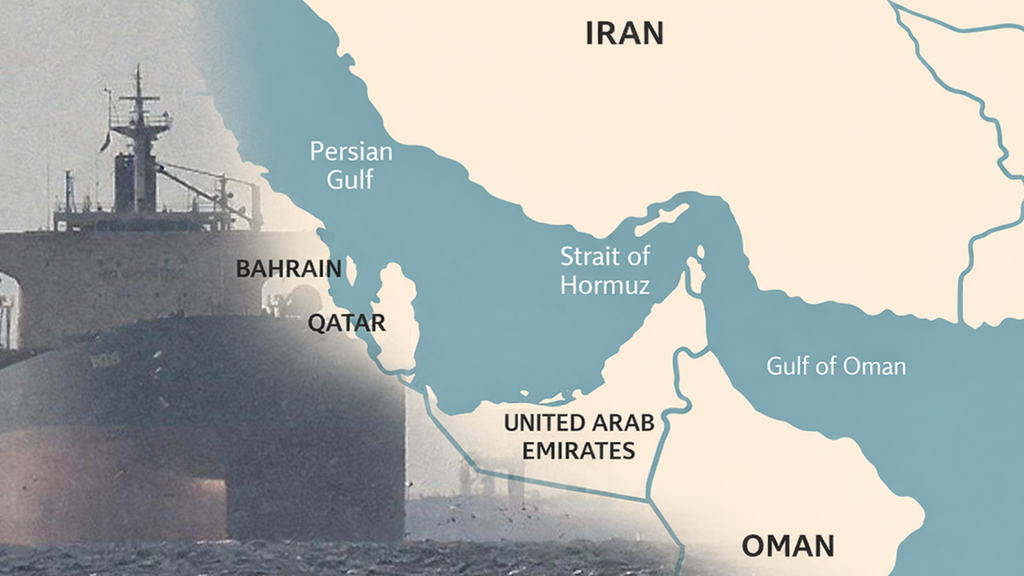
“The agreement was to stop the fire, and the Iranians would immediately open the straits. They did not do so, and the Americans could not accept that,” Netanyahu said.
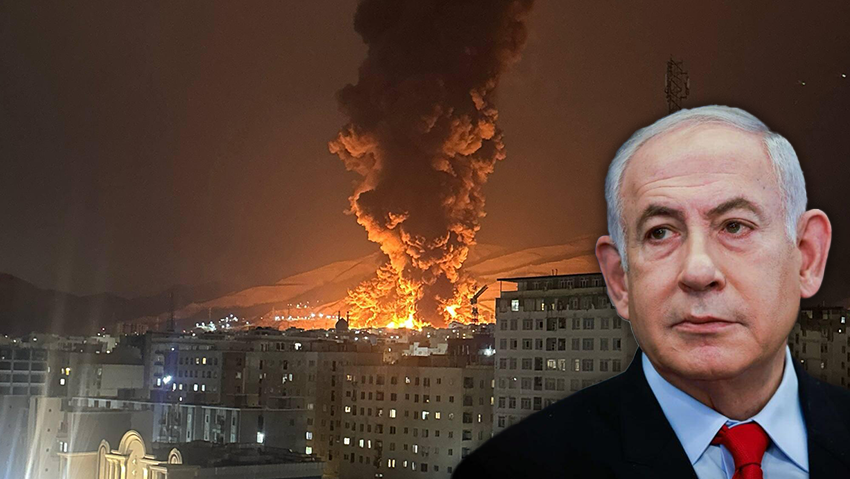
Prime Minister Benjamin Netanyahu
(Photo: Haim Goldberg/ Flash90)
His remarks suggest the United States may have softened its position on permanently banning uranium enrichment, instead focusing on preventing enrichment in Iran for a limited period.
“The central issue for President Donald Trump and the United States is removing all enriched material and ensuring there is no enrichment in Iran for years — possibly decades,” Netanyahu said.
He added that Trump decided to impose the naval blockade after Iran “violated the rules.”
Israel supports the move and remains closely aligned with Washington, Netanyahu said, calling the level of coordination unprecedented.
“There has never been coordination like this — not in the history of the state, and not in the history of the Jewish people,” he said.
Despite uncertainty over whether the conflict will resume, U.S. officials have indicated that large-scale bombing is less likely than limited military strikes.
At the Cabinet meeting, Netanyahu also urged ministers and coalition lawmakers to be cautious in their public statements, following criticism of Trump by a far-right lawmaker.
“We are at a historic crossroads with our American friends,” he said. “Choose your words carefully.”
Separately, officials said a decision on whether Independence Day ceremonies will be held with a live audience will depend on the security situation. Organizers are preparing for both live and pre-recorded formats.
Sources familiar with the matter said the likelihood of Trump visiting Israel for Independence Day is low due to the proximity to an April 21 ceasefire deadline. However, Argentina’s president, Javier Milei, is expected to attend and participate in the torch-lighting ceremony.