


Two years of coalition crises, ultra-Orthodox threats to dissolve the Knesset and even resignations from the government now appear likely to end with elections being moved up by only a few weeks, after the coalition effectively passed its final state budget and is set to complete nearly four years in power.
The front page of Yated Ne’eman, the newspaper affiliated with the Degel Hatorah faction, on Wednesday carried a statement from Rabbi Dov Lando, the leading figure of Israel’s Lithuanian ultra-Orthodox community, saying: “We have no trust in the prime minister. We are no longer his partners and are not committed to him. Elections should be held as soon as possible.”
Gallery
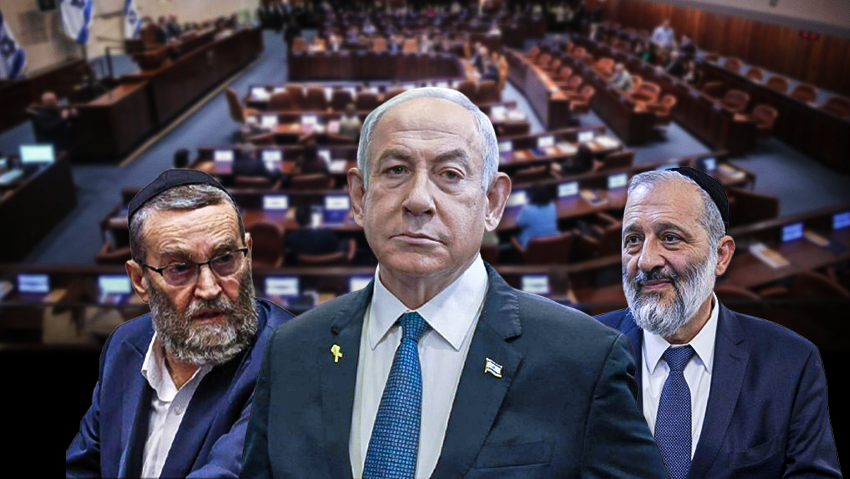
United Torah Judaism lawmaker Moshe Gafni, Prime Minister Benjamin Netanyahu, Shas Chairman Arye Deri
(Photo: Knesset, Amit Shabi, Reuven Castro)
The morning edition of Hamodia, which represents the Gur Hasidic movement, said that “all components of United Torah Judaism (UTJ) agree there is no chance Likud will uphold its commitment to regulate the status of Torah students and will act to dissolve the Knesset.”
The crisis centers on demands by ultra-Orthodox parties for legislation exempting most yeshiva students from mandatory military service, an arrangement that has become increasingly controversial during Israel’s ongoing wars and military mobilizations.
In June 2025, on the eve of Israel’s war with Iran, one of the peak moments in the standoff with the ultra-Orthodox parties took place when they threatened to support a bill dissolving the Knesset. They said the move stemmed from then-Foreign Affairs and Defense Committee chairman Yuli Edelstein’s refusal to present his version of a military draft exemption bill to the committee.
But after overnight negotiations that lasted until about an hour before the plenum vote, the parties reached interim agreements in Edelstein’s office. The ultra-Orthodox parties ultimately voted against dissolving parliament, except for Yitzhak Goldknopf, chairman of Agudat Yisrael, one of the factions within UTJ, who sided with the opposition and resigned from his post.
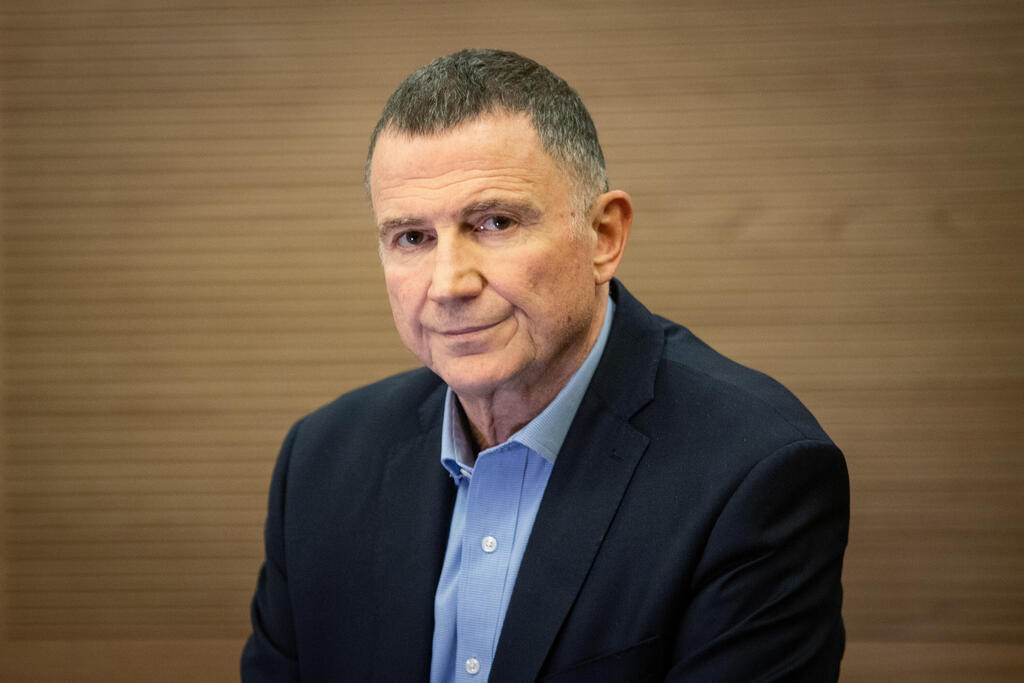
Yuli Edelstein
(Photo: Alex Kolomoisky)
A day later, Israel launched strikes on Iran and Operation Rising Lion began. The war postponed the dispute with the ultra-Orthodox factions, but after it ended, Shas and Degel Hatorah renewed demands for draft exemption legislation, and their demands again went unmet.
The ultra-Orthodox parties responded angrily and imposed what they described as their first sanction against the government: refusing to vote for private bills submitted by coalition lawmakers until further notice.
What appeared to be the peak of the crisis came on July 16, 2025, when members of the ultra-Orthodox factions resigned from their government posts following the arrests of yeshiva students accused of evading military service.
Although the ministers resigned, their staff members remained in the ministries and effectively continued running them from behind the scenes. Committee chairmen also stepped down, but former Finance Committee chairman Moshe Gafni continued operating from the chairman’s office and leading parliamentary efforts, making it difficult to view the resignations as a complete break from the coalition.
Shas Council of Torah Sages convenes at the party’s Jerusalem headquarters, July 2025
(Video: Gil Yochanan)


Still, the coalition lost its stable majority in routine votes, forcing delays in legislation and renewed negotiations over nearly every bill.
On Aug. 23, 2025, Edelstein was replaced as Foreign Affairs and Defense Committee chairman by fellow Likud lawmaker Boaz Bismuth, whom the ultra-Orthodox parties viewed as more sympathetic to their position. But despite his efforts to accommodate them, the legislation made little progress. By early 2026, the ultra-Orthodox factions escalated the pressure and threatened to bring down the budget.
At the start of the Knesset winter session, the ultra-Orthodox parties stressed they still did not consider themselves part of the coalition and continued their voting boycott.
In December, officials reported significant progress on the draft exemption legislation and movement toward a final version, prompting the ultra-Orthodox parties to suspend the boycott and resume voting with the coalition — but the return proved short-lived.
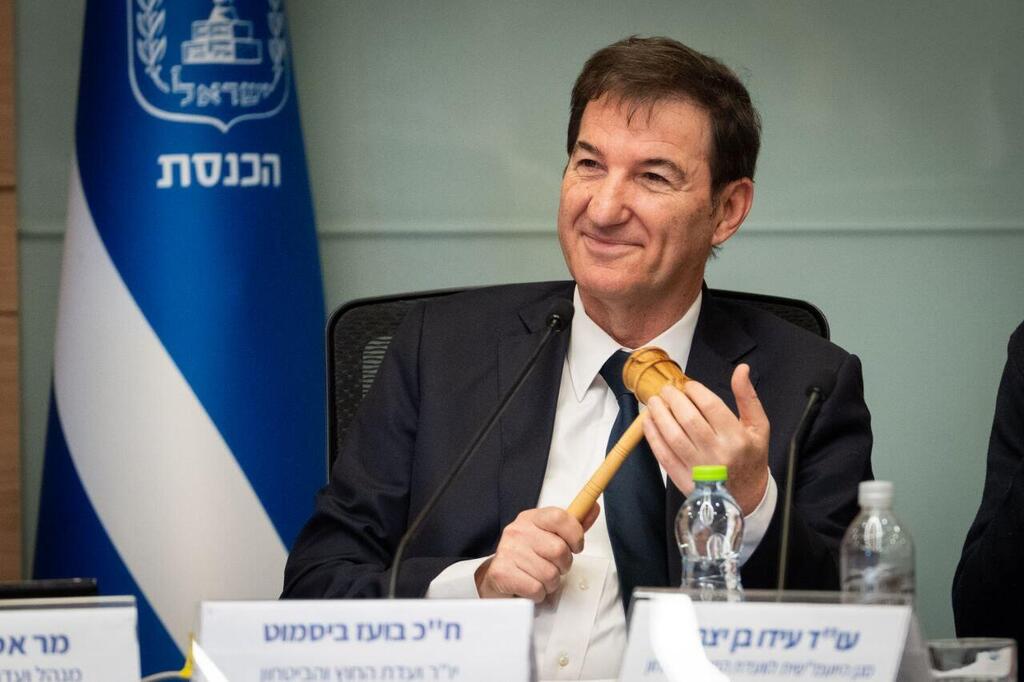
Foreign Affairs and Defense Committee Chairman Boaz Bismuth
(Photo: Shalev Shalom)
As the budget vote approached, Degel Hatorah and Shas announced they would support the Economic Arrangements Bill and the state budget only if the draft exemption bill was brought to a vote, using what amounted to their final leverage against the government.
They also announced they would not support splitting the Arrangements Bill, a move that could have prevented the budget from passing on time and automatically triggered elections. Despite the threats, however, the ultra-Orthodox parties ultimately backed the budget alongside the coalition.
That support came even after Gafni, chairman of Degel Hatorah, warned: “This time it’s real, because if not, you’ll see elections within a month.”
When the budget came to a vote in March, Gafni backed away from that threat, arguing the budget was essential for wartime needs and did not include major changes.
According to the ultra-Orthodox parties, the latest obstacle came from legal advisers to the Foreign Affairs and Defense Committee, who demanded stricter sanctions and military recruitment targets in the legislation. But after the budget passed, it became clear that approving it had also served ultra-Orthodox interests.
In a move led by Gafni and Shas Chairman Arye Deri, together with coalition whip Ofir Katz and Finance Minister Bezalel Smotrich, an additional 800 million shekels, or about $270 million, was inserted into budget reservations that the opposition failed to notice. The funds were earmarked for ultra-Orthodox institutions, welfare organizations and party-affiliated education networks.
In recent months, meanwhile, rabbis affiliated with Shas were appointed to municipal chief rabbi positions in several cities, including Tel Aviv, Be’er Sheva, Ramla, Kiryat Ono and Ramat Hasharon. Such appointments are often easier to secure when supporters of the candidates hold influential positions in government ministries.
Another round of fighting with Iran in March again delayed the political crisis.
In recent days, discussions have taken place between senior rabbis and ultra-Orthodox lawmakers. Lithuanian ultra-Orthodox leaders reportedly expressed doubts they would support the legislation themselves, while Netanyahu’s office conveyed that even if the bill were introduced, securing a parliamentary majority would be difficult.
As a result, the ultra-Orthodox factions decided this time to support dissolving the Knesset.
Still, the situation is not viewed as a full-scale coalition collapse. The ultra-Orthodox parties may also recognize that the budget allocations and political appointments they secured would have been difficult to obtain under another government. As a result, they ultimately appeared satisfied with the appearance of a struggle while advancing elections by only about a month.
Shas remains silent as one Degel Hatorah leader breaks with Netanyahu
Rabbi Lando's announcement on Tuesday instructed the party’s Knesset members to support dissolving parliament. “We no longer have trust in Netanyahu,” Lando said after consultations at his home with party lawmakers, following talks between Prime Minister Benjamin Netanyahu’s associates and ultra-Orthodox representatives in which the government conveyed that there was currently no path to passing a military draft exemption law in its existing form.
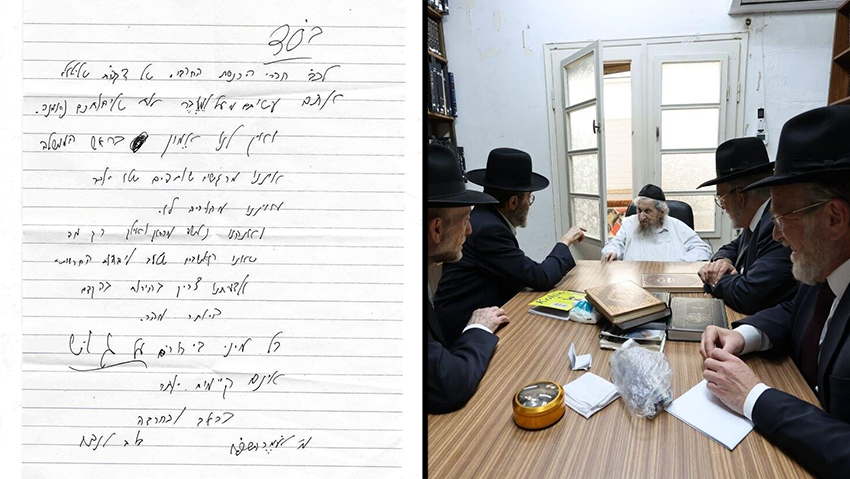
Rabbi Dov Lando's handwritten letter to lawmakers
In a handwritten letter sent to lawmakers, Lando wrote: “We have no trust in the prime minister. We no longer feel we are his partners. We are not committed to him. From now on, we will do only what we believe is good for ultra-Orthodox Judaism, and in our opinion elections should be held as soon as possible. All kinds of talk about a bloc no longer exist.”
The remarks were considered dramatic coming from the senior Lithuanian ultra-Orthodox leader, particularly given the longstanding political alliance between Likud and the ultra-Orthodox parties over recent decades.
Meanwhile, another key voice in Degel Hatorah’s leadership remained absent: Rabbi Moshe Hillel Hirsch, the younger Lithuanian ultra-Orthodox leader who shares the party’s spiritual leadership with Lando.
Although tensions have at times existed between the rabbis’ rival circles, major decisions have until now always been made jointly through signed letters and coordinated meetings.
Hirsch, who is currently on a fundraising trip for the Olam HaTorah Fund — established to replace yeshiva funding frozen by the state — did not participate in Tuesday’s discussions. In the past, his relationship with Netanyahu’s office was considered closer than Lando’s.
Netanyahu also held lengthy conversations with Hirsch, while Lando has generally refused on ideological grounds to speak with Israeli prime ministers or representatives of state institutions.
The first ultra-Orthodox leader to break with Netanyahu was the rebbe of the Gur Hasidic dynasty. In June, his representative in parliament, UTJ Chairman Yitzhak Goldknopf, resigned as a minister after previously refusing to support key coalition votes.
The Gur rebbe began distancing himself from Netanyahu, though initially he remained isolated in that position. Even after Goldknopf’s resignation triggered the departure of Shas and UTJ ministers from the government, as well as resignations by committee chairmen, the ultra-Orthodox parties largely continued supporting Netanyahu politically.
Agudat Yisrael has operated along two parallel tracks: Goldknopf and the Gur rebbe have taken a hard-line approach against the government, while the Belz rebbe and leaders of smaller Hasidic groups opposed toppling the government during wartime.
MK Yisrael Eichler opposed dissolving parliament in June 2025, ahead of Operation Rising Lion against Iran, acting on instructions from the Belz rebbe. Eichler is currently the only ultra-Orthodox lawmaker still holding an official government position after being appointed deputy communications minister.
Above all, Shas’ silence has stood out. Without UTJ, the coalition could still potentially pass legislation during the time remaining before elections, making the Sephardic ultra-Orthodox party the coalition’s main hope for survival. But Shas has not yet publicly clarified how it intends to proceed.
According to reports, party leaders are still weighing whether to try influencing Degel Hatorah’s position or make one more effort to negotiate a compromise version of the draft exemption law. Either way, political attention is now focused on Shas.