


In a statement, the Israel Defense Forces said the operation was conducted as part of ongoing activity in Lebanon after a “rare operational opportunity” emerged to search for clues related to the missing airman.
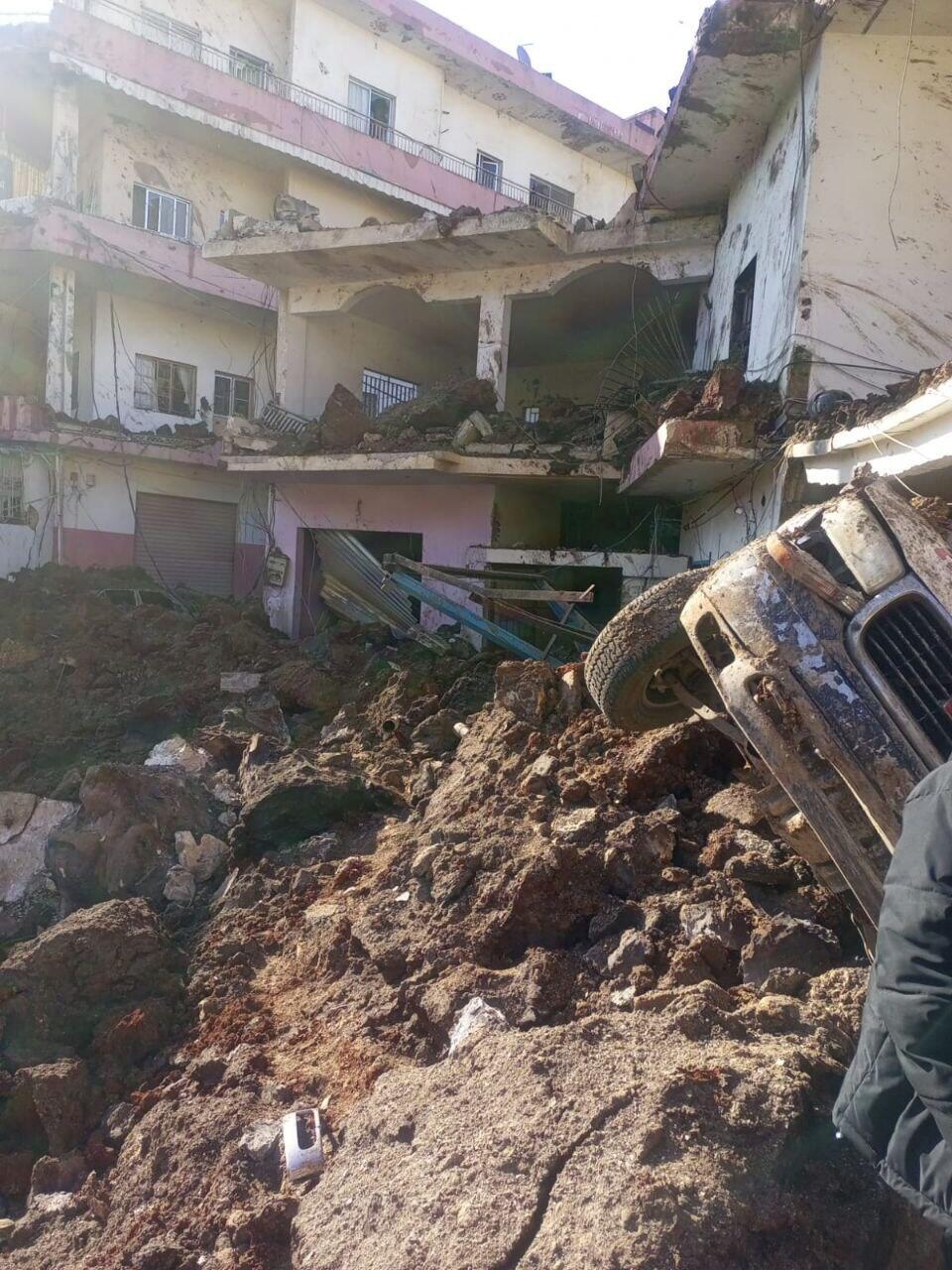
Destruction after Israeli bombing and landing in the town of Nabi Sheet in eastern Lebanon


“As part of IDF activity in Lebanon, special forces operated overnight in an attempt to locate findings connected to the missing navigator,” the military said. “No findings related to him were located at the search site.”
The operation reportedly took place near the village of Nabi Sheet in Lebanon’s Bekaa Valley, close to the Syrian border.
Lebanese media earlier reported that four Israeli military helicopters entered the area from Syria and landed commando forces, sparking clashes with Hezbollah fighters.
The pit dug by Israeli commandos in a cemetery during the search for Ron Arad’s remains
Lebanon’s Health Ministry said 29 people were killed and dozens wounded, though the IDF said the casualties were likely caused by Israeli airstrikes carried out during the operation.
The military also stressed that no Israeli soldiers were injured, contradicting Hezbollah's claims that its fighters had engaged Israeli troops in direct clashes.
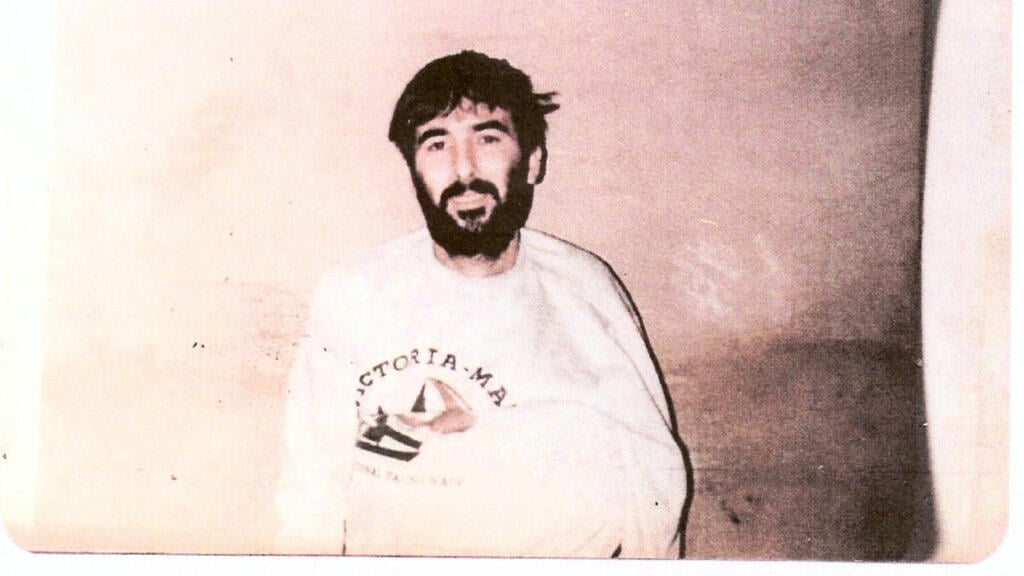
Ron Arad
Reports of a commando raid
Hezbollah said in a statement that its operatives spotted four Israeli helicopters infiltrating from Syria around 10:30 p.m. and landing troops near a triangle of villages including Yahfoufa, al-Khariba and Maaraboun.
According to the group, Israeli forces advanced toward the eastern neighborhood of Nabi Sheet and encountered Hezbollah fighters using light and medium weapons.
Hezbollah claimed the confrontation escalated after the force was exposed, prompting what it described as a “fire belt” of roughly 40 Israeli airstrikes carried out by fighter jets and helicopters to cover the withdrawal of the troops.
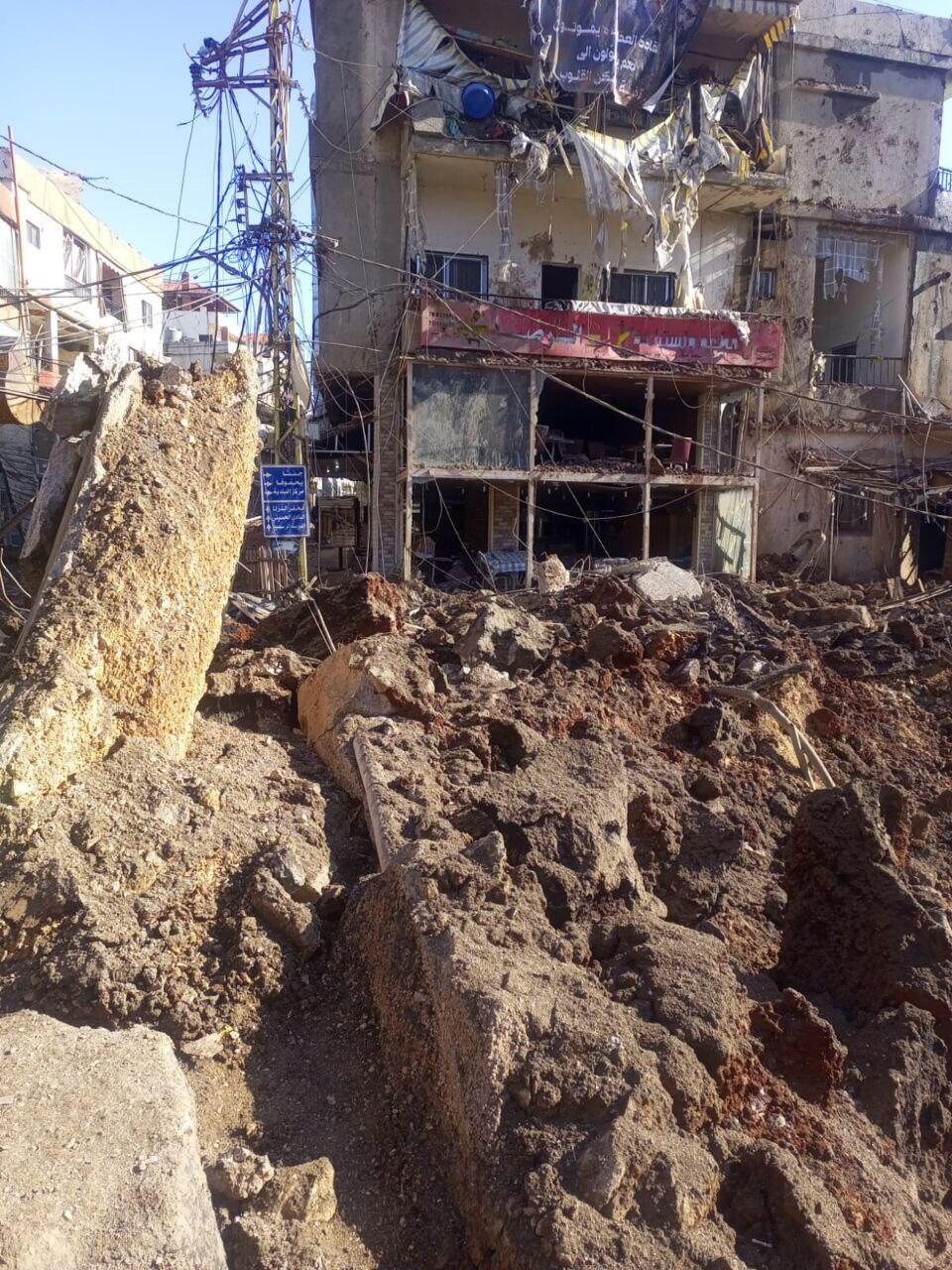
Searches for Ron Arad's remains in Lebanon

Videos circulating on social media showed damage in the area and a pit dug in a cemetery, which Lebanese media claimed Israeli forces had excavated while searching for Arad’s remains.
Other reports alleged that Israeli commandos wore Lebanese army uniforms as disguise in case they were spotted by local residents.
The IDF did not comment on the details of the operation but confirmed that the search ruled out one possible lead in the investigation into Arad’s fate.
Family urges caution
Following the announcement, Tami Arad, the missing navigator’s wife, issued a public appeal urging Israeli leaders not to risk soldiers’ lives in operations related to the decades-old case.
“We saw the reports like all of Israel,” she wrote in a statement.
“Our desire to know what happened to Ron stops the moment it puts IDF soldiers at risk. The sanctity of life comes before the obligation to return a soldier’s remains for burial.”
She said the family had repeatedly opposed operations that could endanger soldiers and asked Israeli leaders to avoid missions that carry even minimal risk to troops.
“We prefer to live with the painful possibility that Ron’s remains lie in Lebanon rather than wake up to news that a soldier was wounded or killed trying to bring them home,” she said.
A mystery that has lasted nearly four decades
Ron Arad disappeared on October 16, 1986, after he was forced to eject from his aircraft during a mission over southern Lebanon. He was captured by the Shiite Amal movement.
All traces of Arad were lost in May 1988, and his fate has remained one of Israel’s longest-running military mysteries.
An Israeli military intelligence assessment published in 2016 concluded that Arad likely died in the early years of his captivity, though some intelligence officials believe he may have died later.
Israel has continued to pursue intelligence leads over the decades in an effort to determine what happened to him and, if possible, recover his remains.
Saturday’s operation appears to have been the latest such attempt — one that the Israeli military now says has ruled out another possible lead in the case.
First published: 12:06, 03.07.26