

Just a few years ago, anyone who publicly opposed unconditional U.S. support for Israel — or even offered mild criticism — would have seen their prospects as a Democratic candidate in American politics vanish. During the 2020 election campaign, less than six years ago, no Democratic primary contender dared deviate from that consensus. Today, however, a Democrat hoping to win the 2028 primaries must be prepared to say things about Israel that would have been unimaginable until recently.
The roots of the growing rift between the Democratic Party — which is supported by more than 70% of American Jews — and Israel lie in steps taken in recent years by Prime Minister Benjamin Netanyahu, which eroded the longstanding bipartisan consensus on Israel in the United States. The peak moment was Netanyahu’s speech to Congress opposing Barack Obama’s nuclear deal with Iran, a Democratic president who was highly popular, especially among younger voters.
Joe Biden was likely the last openly Zionist president, and the Democratic voter base — younger and increasingly diverse racially and religiously — has largely broken with Israel during the war in Gaza. A poll by NBC last month found that 67% of Democrats identify with the Palestinians, compared to just 17% with Israel. Only 13% of Democrats view Israel favorably, down from 34% in 2023. As a result, even Democrats with a long history of strong support for Israel are reversing course, recognizing that otherwise they have little chance in the primaries.
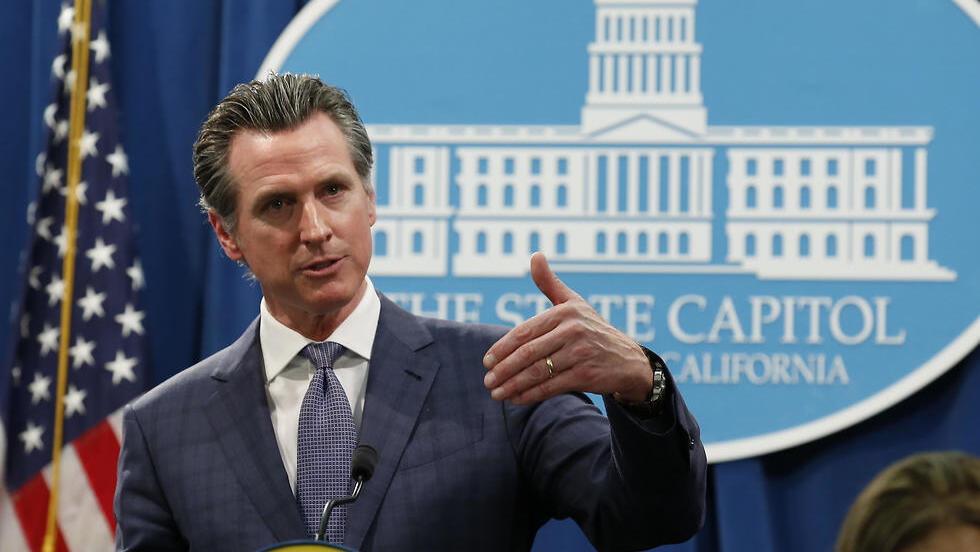
California Gov. Gavin Newsom, currently seen as a leading Democratic presidential contender, is one of many mainstream Democrats who for years held the position of “full support for Israel alongside support for a two-state solution.” Last month, however, he referred to Israel as an “apartheid state.” Although he later walked back the remark under heavy pressure from donors in California, he still said: “I strongly oppose Netanyahu’s leadership, and the way he is appeasing the far right.”
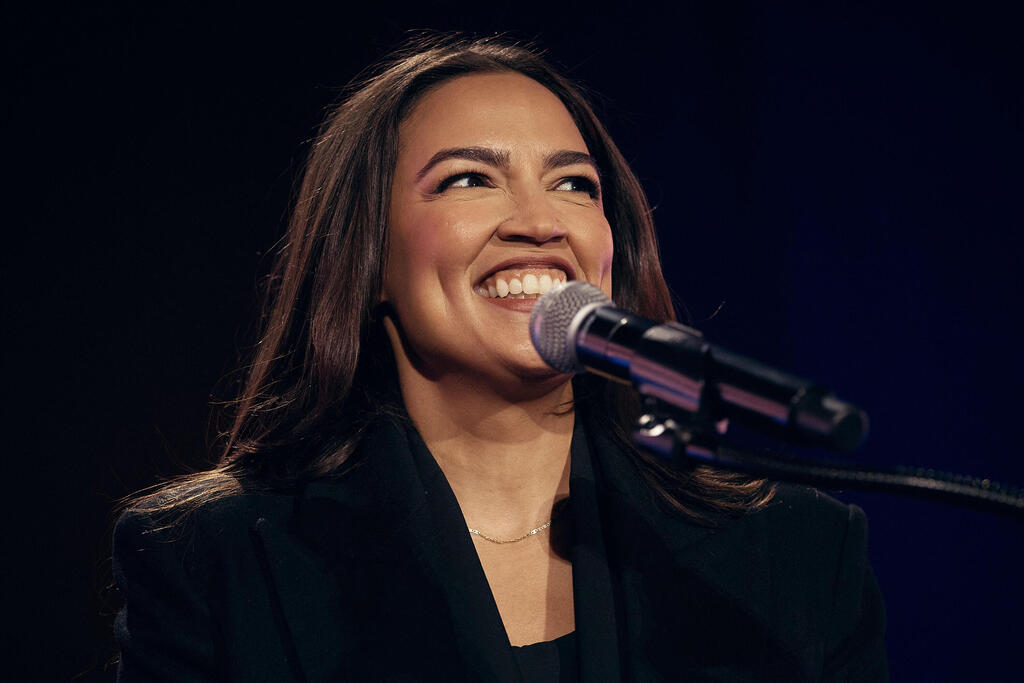
Rep. Alexandria Ocasio-Cortez said last week she would oppose all aid to Israel, including defensive assistance and Iron Dome funding
(Photo: Andres Kudacki/Getty Images North America/AFP)
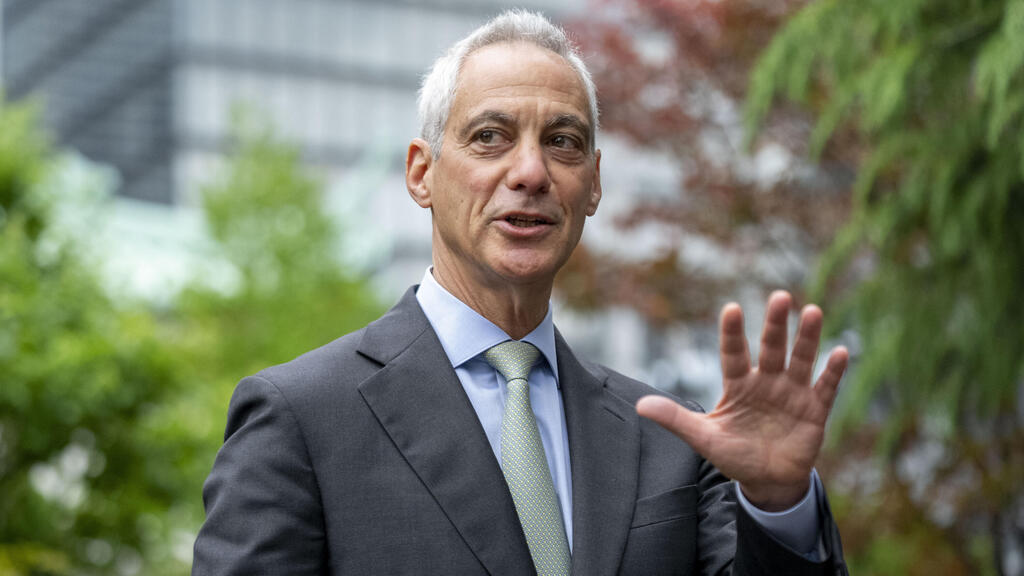
Rahm Emanuel opposes continued automatic aid to Israel
(Photo: Andrew Harnik/ AP)
The war with Iran — which in the United States is repeatedly described as “a war Israel forced us into” — has further complicated matters. Rep. Ruben Gallego of Arizona, a popular congressman considering a presidential run and historically seen as pro-Israel, wrote on X: “So Netanyahu now decides when we go to war?”
Even Jewish Democrats being discussed as potential 2028 contenders are qualifying their support for Israel. Illinois Gov. J.B. Pritzker, who previously received donations from AIPAC, said last month that the pro-Israel lobby is not “an organization I would want to be part of today.” Rahm Emanuel, a vocal Zionist who served as White House chief of staff under Obama, has also distanced himself from AIPAC and went a step further by opposing continued automatic aid to Israel.
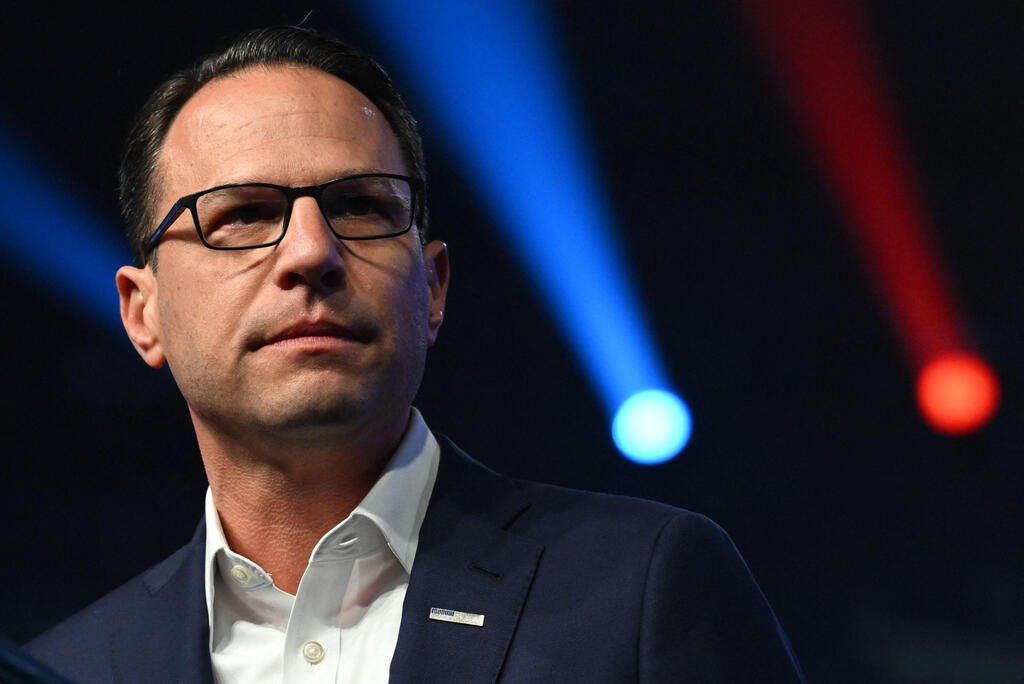
The only potential 2028 candidate mentioned who has not shifted from strong support for Israel is Pennsylvania Gov. Josh Shapiro
(Photo: Saul Loeb/AFP)
In doing so, Emanuel — a self-described centrist — has moved closer to positions once associated with the party’s progressive wing, previously considered radical. Rep. Alexandria Ocasio-Cortez, who is also weighing a presidential run and holds significant influence within the party, said last week she would oppose all aid to Israel, including defensive assistance and Iron Dome funding.
The only potential 2028 candidate mentioned who has not shifted from strong support for Israel is Pennsylvania Gov. Josh Shapiro. The Jewish governor, who is highly popular in his state, recently promoted a book in which he expressed frustration over not being chosen by Kamala Harris as her running mate in 2024. In a series of interviews on progressive podcasts, he did not hesitate to defend Israel.
“It’s quite interesting that there are 46 countries around the world where the majority religion is Islam,” Shapiro said. “Twenty-three of them recognize Islam, but we keep talking about the one country whose official religion is Judaism.”
As things currently stand in the Democratic Party — and increasingly within parts of the Republican Party — it appears that even in 2028, Shapiro may not be part of the presidential ticket.