

Iran will resume talks on its nuclear program in Geneva on Tuesday with France, the United Kingdom and Germany, three countries that are part of a 2015 agreement with Tehran to regulate its nuclear activities and which have threatened to reimpose sanctions, the state broadcaster reported.
“This new round of negotiations,” following a previous session held in July in Istanbul, Turkey, will take place “at the level of deputy foreign ministers in Geneva,” the broadcaster said. Iran will be represented by Majid Takht-Ravanchi, according to Tasnim news agency. The location of the talks had not previously been specified.
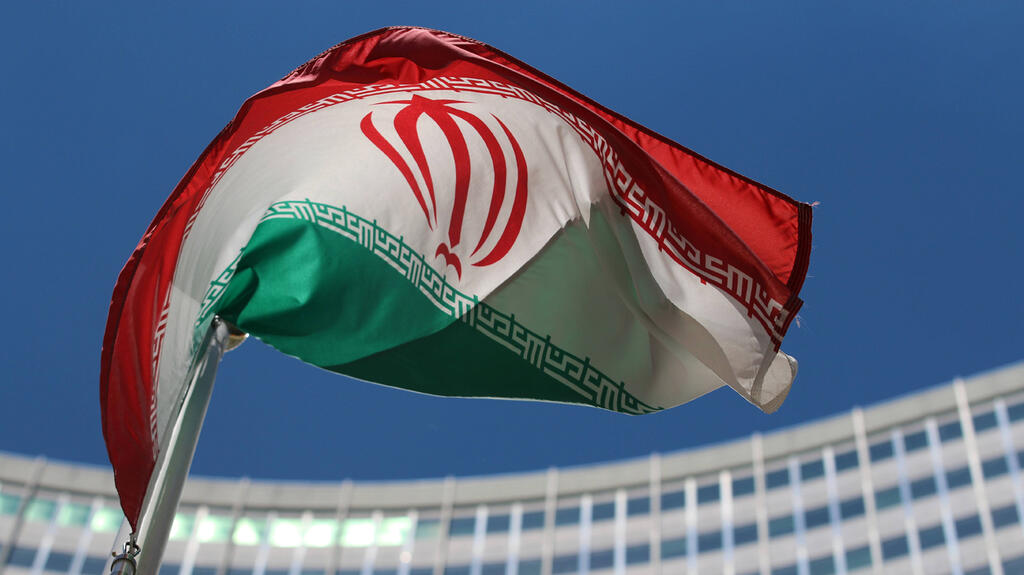
France, the United Kingdom and Germany, along with China, Russia and the United States, reached a deal with Iran in 2015 imposing significant restrictions on its nuclear program in exchange for a gradual lifting of UN sanctions.
The agreement became void after Washington unilaterally withdrew from the treaty in 2018 under President Donald Trump. In response, Tehran has since rolled back some of its commitments, including on uranium enrichment.
France, the United Kingdom and Germany have threatened to reinstate UN sanctions against Iran if no negotiated solution is found by the end of August. Iran disputes the Europeans’ legitimacy to invoke this clause of the 2015 agreement.
When the United States withdrew, Paris, London and Berlin reaffirmed their commitment to the agreement, saying they wanted to continue trade with Iran. The three capitals did not reimpose UN sanctions.
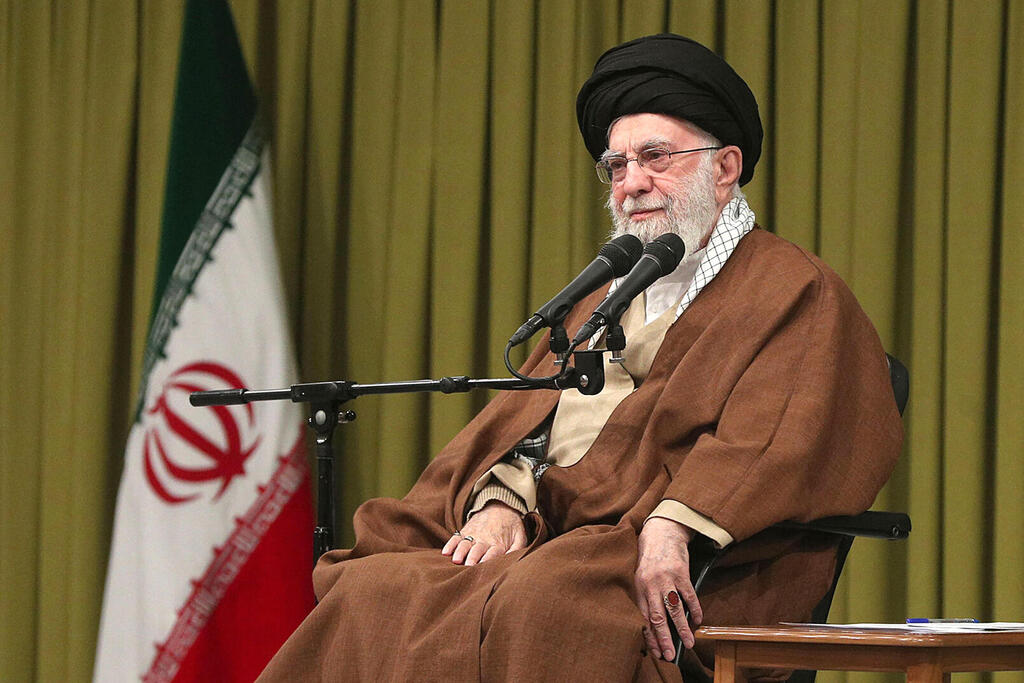
Iranian Supreme Leader Ayatollah Ali Khamenei
(Photo: AFP PHOTO / HO / KHAMENEI.IR)
However, the European measures to compensate for the return of U.S. sanctions have struggled to take effect, and many Western companies were forced to leave Iran, which is now facing high inflation and an economic crisis.
According to the International Atomic Energy Agency (IAEA), Iran is the only non-nuclear-weapon state enriching uranium to a high level (60 percent), well above the 3.67 percent limit set by the 2015 agreement.
To make a nuclear bomb, enrichment must reach 90 percent, according to the IAEA.
Western countries, led by the United States, and Israel, Iran’s sworn enemy, have long suspected Iran of seeking to develop nuclear weapons. Tehran vigorously denies any military ambitions but insists on its right to nuclear technology for civilian purposes.
The progress of Iran’s nuclear program has drawn intense speculation since the twelve-day war between Israel and Iran in June and the U.S. strikes on Iranian nuclear facilities.