

The crisis in the Strait of Hormuz has become more than a dramatic threat to the global economy and energy markets. It has also turned into a major human emergency.
At least 2,400 sailors have been stranded for eight weeks aboard 105 tankers and ships near Egypt, according to Intertanko, a trade association representing shipping and tanker companies. The International Maritime Organization said the wider crisis has left as many as 20,000 people trapped aboard some 2,000 vessels across the Persian Gulf because of the blockade of Hormuz and the turmoil that followed.
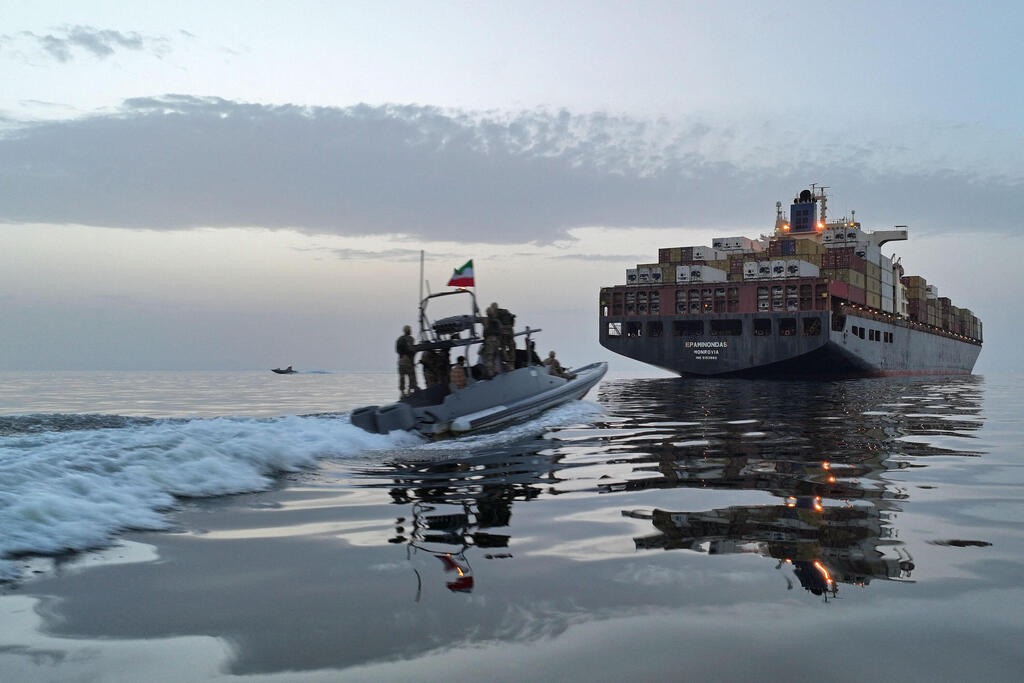
(Photo: Meysam MIRZADEH / TASNIM NEWS / AFP)
Among those stranded is Indian captain Rahul Dahar, who has been stuck at the entrance to Hormuz with 14 crew members aboard an oil tanker. A long line of cargo ships and tankers stretches ahead of him and behind him.
The Associated Press described the sailors as anxious, exhausted and hungry. “We are mainly afraid of missiles,” Dahar said. “Drones could also land on us, by mistake or on purpose.”
Many tanker crews have been forced to rely on canned food, while shortages of drinking water are beginning to emerge. Fear, crew members say, is spreading among those trapped at sea.
International organizations are trying to evacuate the stranded ships. At the same time, the United States has imposed a blockade on Iranian ports, where oil tankers are also stuck and the situation is no less severe.
“We have been waiting for rescue since February 28, when the attacks by Iran and the air forces of the United States and Israel began,” one Indian crew member aboard an oil tanker said. “There is uncertainty and confusion. We do not know how we will get out, or whether they will be able to get us out alive. As far as we are concerned, there is no difference between being stuck in an Iranian port or in the Strait of Hormuz. In both places, you are not safe when planes, drones and bombs are flying over your head.”
Iran has made clear it will not allow free passage through Hormuz unless the owners of certain ships agree to pay $2 million for each vessel’s passage. In response, one cargo ship captain said he had informed the company employing his crew that they were demanding to leave.
“I told the owners that we want to get out of here, that they must remove us,” he said.
The owners, for their part, said there was currently no way to “open the valve” of the maritime bottleneck.
The prolonged crisis is also threatening sailors’ pay, after ships were stuck in the strait or in ports in the Gulf states for long and unplanned periods.
“We are looking for a way to get out safely, alive,” said a helmsman on a fuel tanker who declined to be identified. “I have nothing to do with this conflict, and I feel trapped like I am in prison, even though I did not break the law.”
According to estimates, evacuating the crews of the tankers and cargo ships could take three weeks. The question now is when the rescue effort will begin.