

The IDF said it carried out targeted strikes early Monday against senior Hezbollah figures across Lebanon in response to rocket fire toward the Haifa area as the war with Iran intensified.
In a statement, the military said it struck “senior Hezbollah terrorists” in Beirut and a “central Hezbollah terrorist” in southern Lebanon. The strikes followed rocket launches from Lebanese territory that triggered air-raid sirens in the northern Israeli city and surrounding communities without the advance warning typically provided by alert systems.
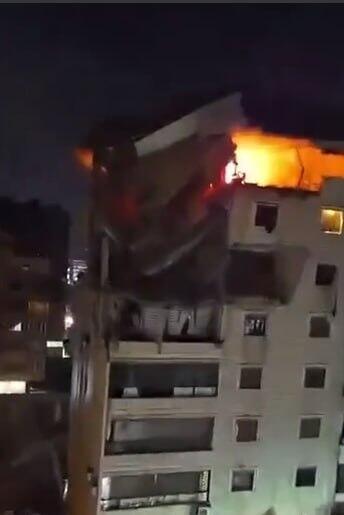
Fire at an apartment in the Dahieh suburb of Beirut after an Israeli airstrike


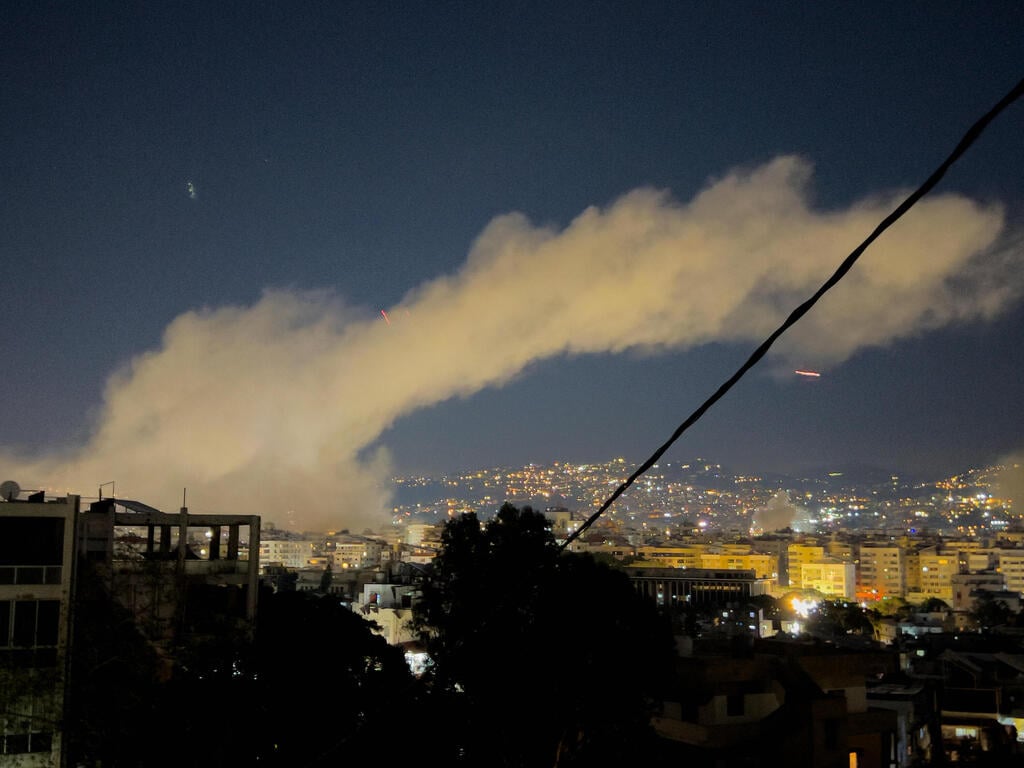
Lebanese media reported several fatalities in Israeli strikes in the Dahieh suburb of Beirut, a Hezbollah stronghold. Footage from the area showed extensive destruction at several strike sites, including at least one apartment engulfed in flames on an upper floor.
Reuters reported more than 12 explosions in Dahieh, describing it as the most intense bombardment there since the end of the 2024 war in Lebanon.
IDF Arabic-language spokesperson Lt. Col. Ella Waweya issued evacuation warnings to residents of more than 50 villages in southern Lebanon and the Beqaa Valley in eastern Lebanon, urging them to move at least 1,000 meters into open areas to avoid being harmed in strikes.
In the statement, the military said Hezbollah’s activity was forcing Israel to act against it and warned that anyone near Hezbollah operatives, facilities or weapons was putting their life at risk. Despite the late hour, roads in southern Lebanon and in the capital were congested with civilians fleeing north, according to local reports.
The Israeli Air Force said its operations were focused on Hezbollah operatives and command centers in both southern Lebanon and Beirut. The military also reinforced defensive deployments along the northern border amid concerns over possible infiltration attempts.
(Photo: AP Photo/Hussein Malla)
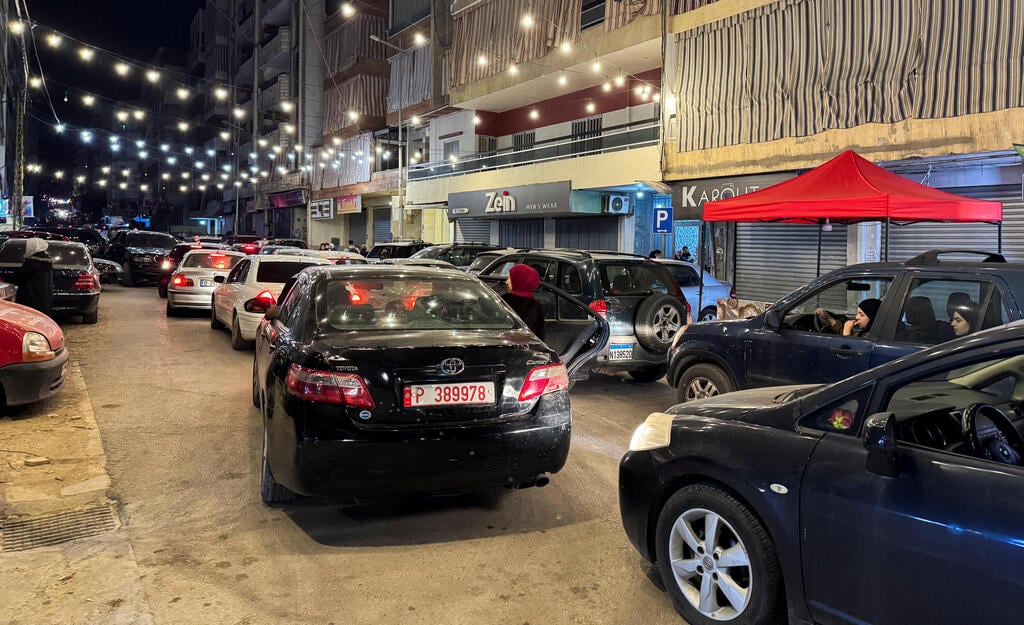
Civilians fleeing the Dahieh suburb of Beirut ahead of Israeli strikes
(Photo: REUTERS/Ahmad Al Kerdi)
Lebanese broadcaster Al-Jadeed, citing security sources, reported that initial indications suggested the strikes in Dahieh were part of an assassination operation.
Lebanese Prime Minister Nawaf Salam wrote on X that regardless of who was behind the rocket fire, launches from southern Lebanon were a "reckless act that endangered the country’s security and gave Israel justification to continue its aggression." He said Lebanon "would not allow itself to be dragged into new conflicts" and would take all necessary measures to apprehend those responsible and protect the Lebanese people.
IDF launches series of airstrikes on Iranian regime targets in Tehran
The cross-border tit-for-tat came as Israeli forces were also conducting strikes against Iranian regime targets in Tehran, widening the confrontation beyond Israel’s northern front.
Hezbollah claimed responsibility for launching rockets at what it described as a “military site” south of Haifa. The group said the attack was in response to the assassination of Iran’s Supreme Leader Ayatollah Ali Khamenei by Israel.
Communities in northern Israel told residents that the military had begun what it described as a “wave of strikes” across Lebanon and that the attacks were expected to continue in the coming days.
In light of the escalation, local authorities reiterated emergency guidelines, emphasizing that launches from Lebanon can occur without prior warning. Residents were instructed to immediately head to a protected space upon hearing a siren.
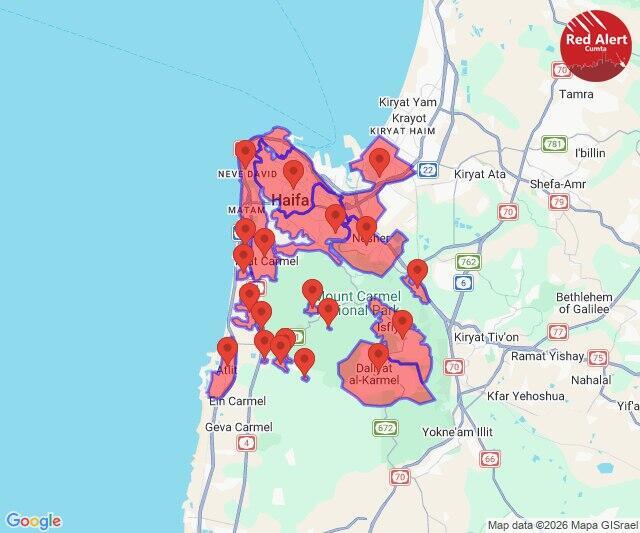
(Illustration: Cumta)
It was the first rocket attack by the Lebanese terrorist group since a ceasefire took effect in November 2024, ending months of cross-border fighting.
At least one projectile crossed into Israeli territory and was intercepted by the Air Force, the military said. Several others fell in open areas and were not intercepted, in line with policy. No injuries or damage were reported.
Loud explosions were later also heard in central Israel without sirens sounding, apparently caused by rockets fired from Lebanon that landed in open areas.
Civilians fleeing southern Lebanon ahead of IDF strikes
The retaliatory strikes in Lebanon were carried out as Israeli Air Force jets were also attacking targets in central Tehran. The IDF confirmed it had begun another wave of strikes targeting what it described as “Iranian regime terror targets in the heart of Tehran.” Iranian media reported explosions in several areas across the country, including the capital.
Meanwhile, U.S. Central Command released footage it said showed strikes on Iranian aircraft, stating it was continuing to eliminate what it described as immediate threats from the regime.
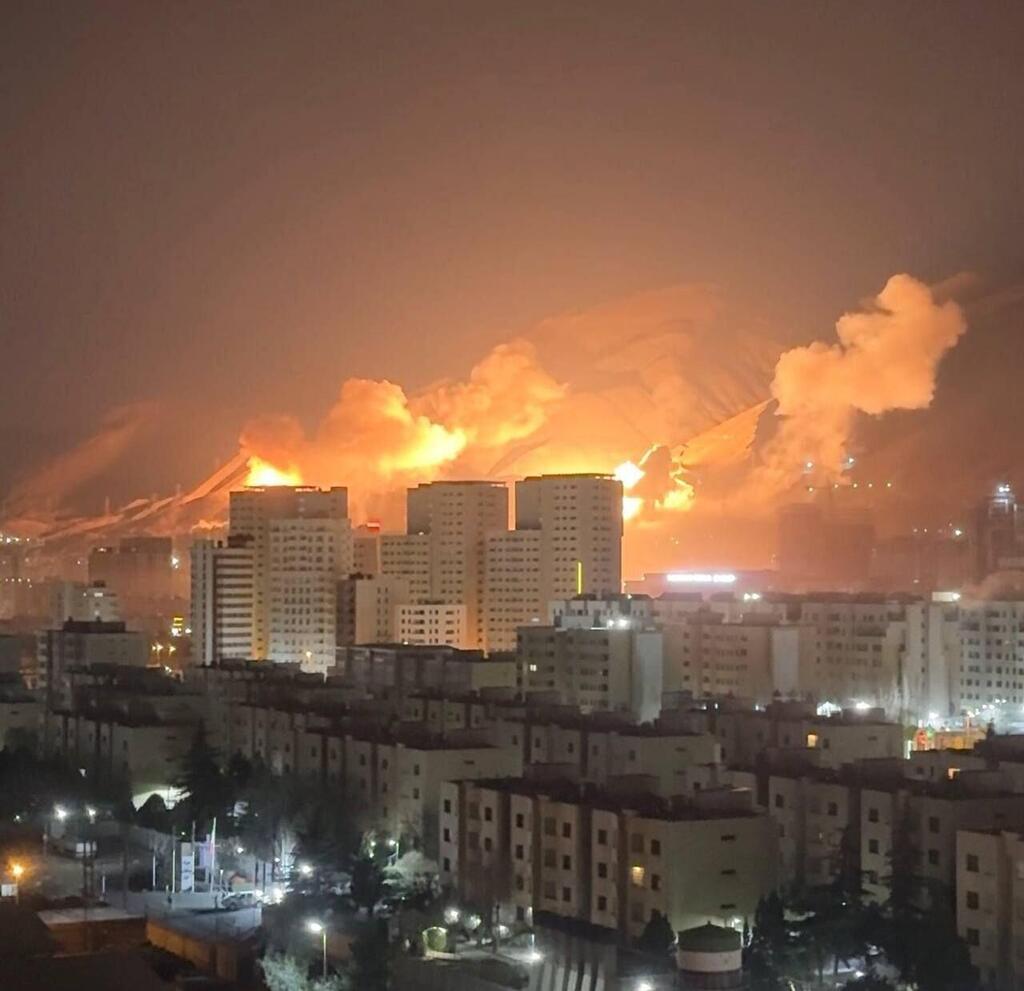
Massive bombardments hit Tehran
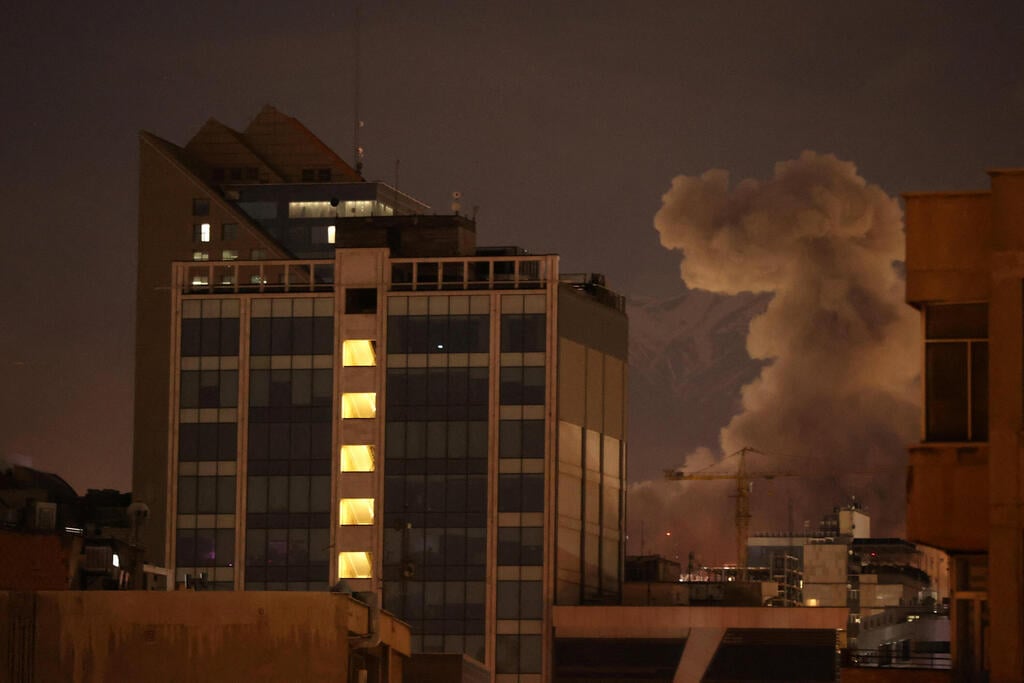
(Photo: Majid Asgaripour/WANA (West Asia News Agency) via REUTERS)
Shortly after the rocket attack on Haifa, sirens also sounded in Kiryat Shmona, near the Lebanese border, with the military saying the alerts were triggered by rocket fire.
Earlier, warning sirens had sounded in the western Galilee and the Golan Heights amid fears of possible infiltrations by Iranian drones. The military said the search for the aircraft was ongoing, and alerts were also triggered in the coastal city of Nahariya, the Hula Valley, Rosh Pina and Safed. Alerts were also activated in the Dead Sea region.
The military later said the drone incident had ended and residents could leave protected spaces, but were instructed to remain nearby. The drone was intercepted by the laser-based Iron Beam air defense system, according to footage shared online.
Drone downed by laser over Shlomi near Lebanese border
(Video: from social media)
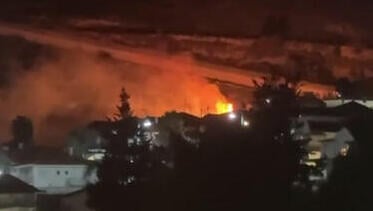
A fire near breaks out near Shlomi, a town in northern Israel near the border with Lebanon, following a manhunt for a suspected drone
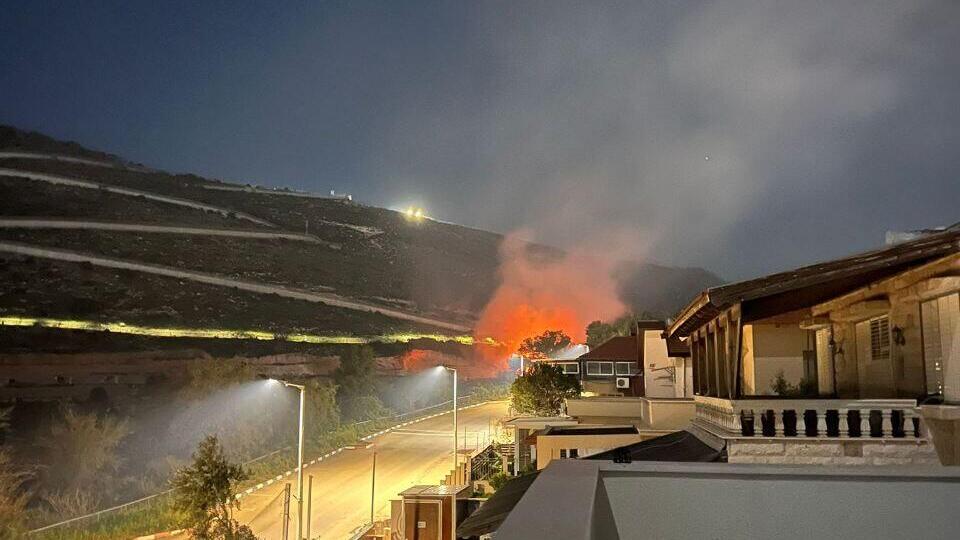
Gabi Naaman, head of the Shlomi local council — a western Galilee community along the Lebanon border — said a drone had been intercepted over the town and that Israeli forces were operating in the area, with gunfire heard as part of the response. He stressed there was no incident inside the town or along its immediate border.
“We are preparing for Hezbollah fire toward northern communities and remain on high alert,” Naaman said. “We are deployed in large numbers on the ground and have full control of the situation.”
About an hour before the rocket attack on Haifa, the military said alerts warning of a suspected drone infiltration in northern Israel were determined to have been false alarms.
First published: 01:12, 03.02.26