


The initial spark came in the form of an Israeli air campaign on Friday that struck deep inside Iranian territory, targeting senior military and nuclear-linked figures from the Islamic Revolutionary Guard Corps (IRGC). In a matter of hours, Israel’s intention was clear. These strikes were not meant as a symbolic act or a warning, but a deliberate attempt to eliminate the Islamic Republic’s military brain trust.
Gallery
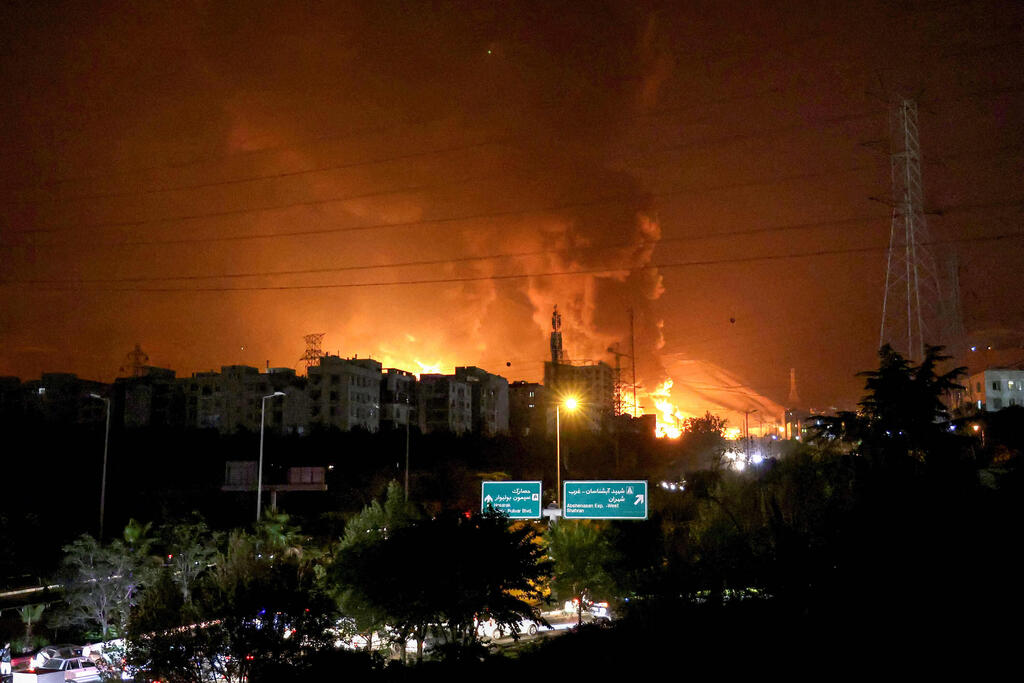
An oil depot in Tehran area engulfed in flames after Israeli strike
(Photo: ATTA KENARE / AFP)
Among those reportedly killed were Adm. Ali Shamkhani, former secretary of Iran’s Supreme National Security Council and a central figure in back-channel nuclear talks with the United States; Brig. Gen. Mohammad Reza Zahedi, a senior commander of the ICRC's Quds Force in Syria and Lebanon; and Gen. Mohammad Hadi Haji Rahimi, Zahedi’s deputy.
The strikes also eliminated several nuclear scientists, among them specialists in uranium enrichment and chemical engineering. Although not all their names have been disclosed, experts consider them to have been irreplaceable.
The assassination of Adm. Shamkhani, a towering figure who bridged internal factions and took charge of foreign negotiations, is widely viewed as a strategic turning point.
“Shamkhani was more than a military man—he was a key political operator,” Iranian political analyst Nima Baheli said.
Baheli described Shamkhani as “the bridge between the Islamic Republic and the Arab world, as well as a backchannel to the Americans.” “His assassination is not just a blow to the regime,” he said. “It’s a deliberate attempt to cripple its diplomacy.”
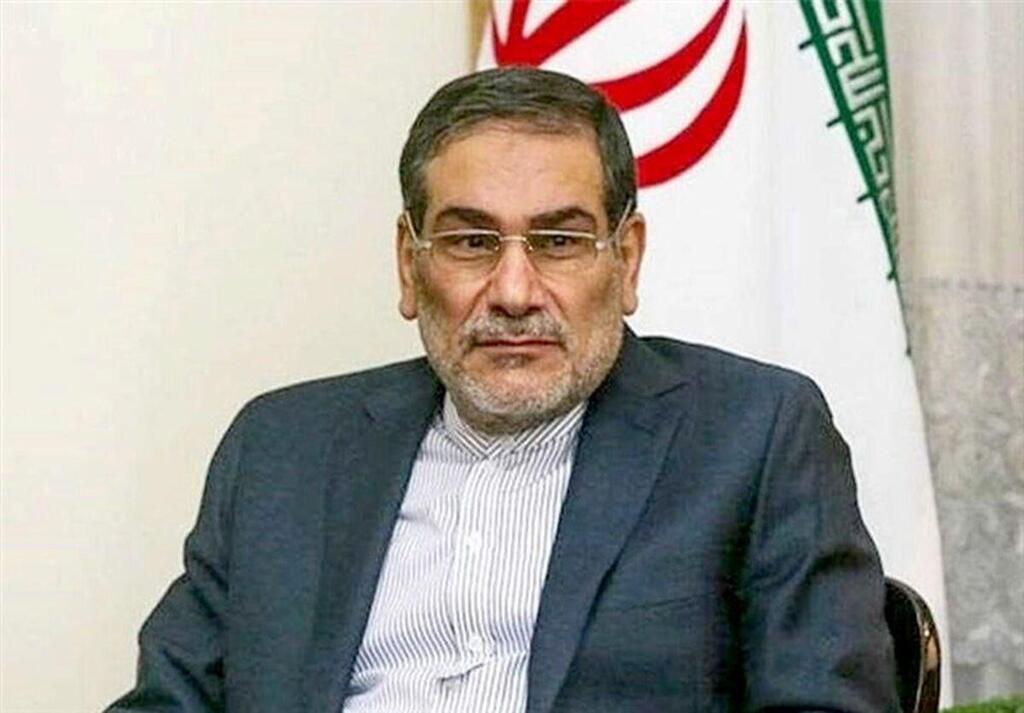
Ali Shamkhani
Shamkhani also played a central role in Iran’s outreach to Gulf countries and had been instrumental in the 2023 Beijing-brokered agreement that restored ties with Saudi Arabia, Baheli said.
“His death blocks both regional diplomacy and nuclear de-escalation paths. And in doing so, it helps [Prime Minister Benjamin] Netanyahu freeze the parallel negotiation channels Tehran was pursuing,” he said.
He added that the broader targeting of nuclear-linked scientists was aimed at disabling Iran’s capabilities long term. “You can rebuild centrifuges. You can’t replace decades of scientific know-how overnight. These individuals weren’t just engineers; they had unique strategic insight. Their loss weakens Iran’s deterrence posture for years,” he said.
While Israel has claimed its actions are unilateral, Baheli believes the United States was informed in advance.
“[U.S. President Donald] Trump’s public distancing is strategic,” he said. “It helps avoid drawing American forces directly into the fight and prevents Iran from retaliating against U.S. assets. But make no mistake, Washington is watching closely.”
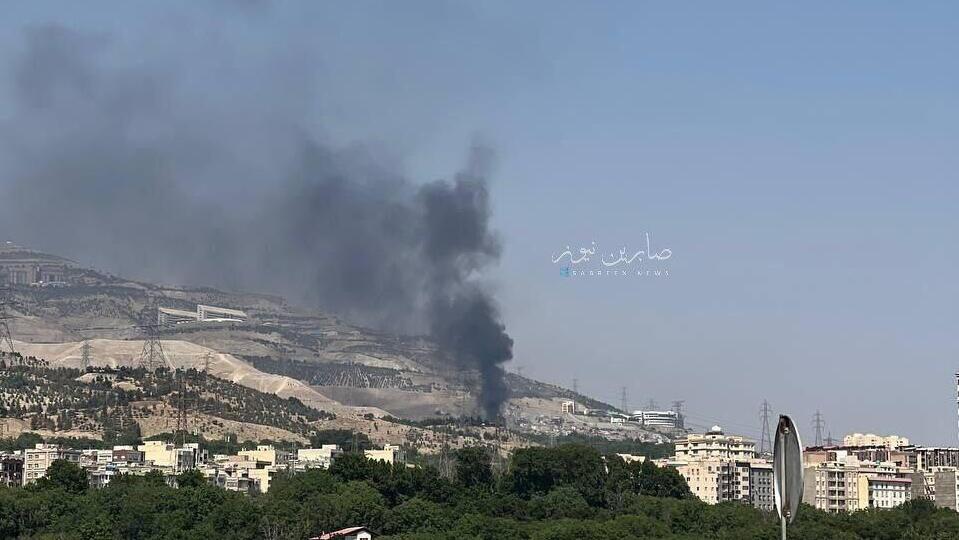
Israeli airstrike in the heart of Tehran
Russia, meanwhile, has positioned itself as a would-be mediator. “[Russian President Vladimir] Putin has reasons to avoid this blowing out of control,” Baheli explained. “A million Israelis are of Russian origin, and Russia’s economic and security partnerships with Iran are too valuable to sacrifice.”
Iran retaliated immediately to Israel’s initial strike, launching waves of missiles that, despite Tehran’s claims to the contrary, were aimed primarily at civilian areas across Israel.
While Iran’s initial attacks occurred at night, Sunday marked a dramatic escalation, as Iran conducted its first daylight strike, targeting cities in a rare and highly visible move that challenged long-standing assumptions about Israel’s air dominance.
“If Iran is willing to strike at daylight, it challenges the myth that Israel completely controls the skies,” Baheli said. “They are clearly signaling that deterrence is not one-sided.”
The confrontation may be far from over. Despite days of intense bombardment and air defense engagement, Iran retains a large arsenal.
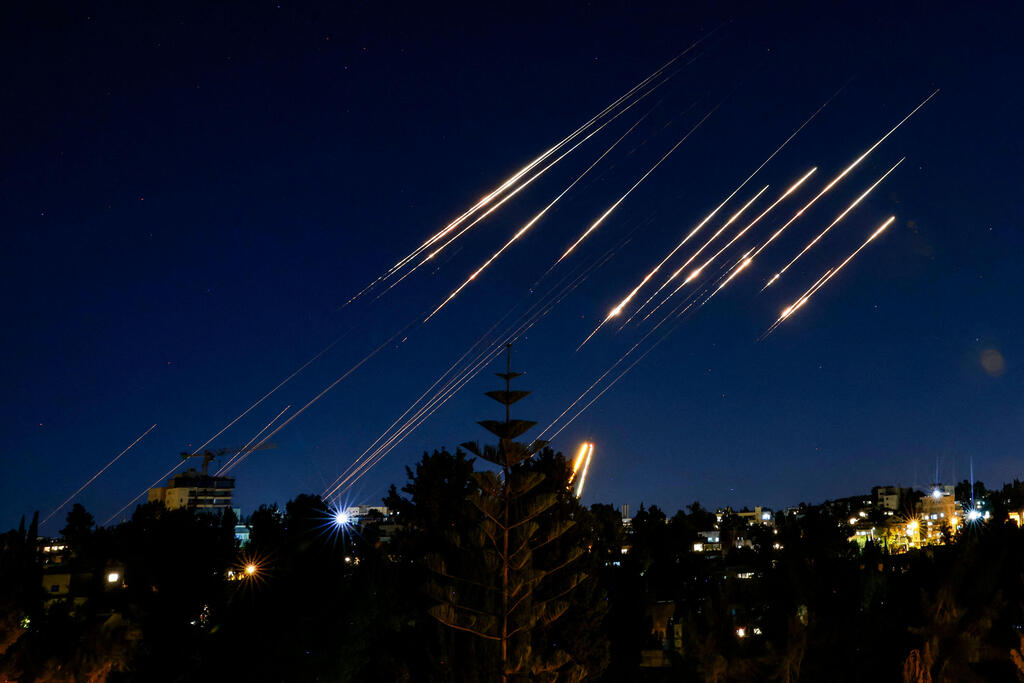
Iranian ballistic missiles raining down over Israel
(Photo: Menahem Kahana / AFP)
“From what I’ve seen in the sources,” Baheli warned, “Iran is still serious on this side. It has enough missiles to continue for several weeks.”
The escalation prompted Netanyahu to address the Iranian people directly. “You are not our enemies. We are fighting your regime, which holds you hostage,” he said.
But inside Iran, Netanyahu’s message might have been lost in the chaos. Bombarded by missiles and misinformation, many Iranians are less focused on politics and more concerned with survival. There have been no reports of major anti-regime protests.
“You can’t ask people to rise up when bombs are falling on their homes,” Mahmood Amiry-Moghaddam, an Iranian-Norwegian human rights advocate, said, adding that mass mobilization might be achieved once the bombing stops.
The people of Iran are “terrified,” he said. “They know the regime doesn’t care about civilian safety, but they’re also not ready to welcome foreign missiles as a path to liberation. It’s a trap either way,” he explained.
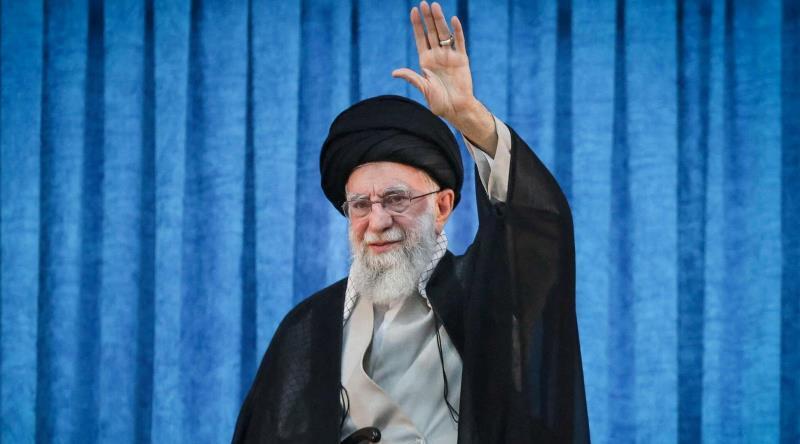
Iranian Supreme Leader Ayatollah Ali Khamenei
(Photo: Reuters)
Baheli offered a similar assessment: “Even if the regime is deeply unpopular, wartime nationalism takes hold when civilians are dying. The Islamic Republic is weakened, but resistance can’t flourish under active bombardment.”
Amiry-Moghaddam said that the regime will exploit the Israeli strikes and accuse dissenters of working with Israel. “We’ve seen this playbook before—especially during the Iran-Iraq war in the 1980s,” he said.
He noted that the IRGC’s repressive tactics and control over the economy have long eroded public trust. “They control the wealth, the politics and they’ve killed protesters in the streets for decades,” he said. People don’t want them, but war makes everything more unpredictable. Civilians are never protected in Iran.”
The coverage of the conflict has been marked by false or unverified videos, such as one showing several members of the IRGC fleeing Tehran for Russia on private planes.
“We don’t know,” Amiry-Moghaddam said of the video’s veracity. “The regime’s propaganda machine is pushing a mix of real and fabricated content, and overseas channels may sometimes unintentionally spread unverified content. This can generate confusion both abroad and inside the country.” He noted that the figures seen leaving the country could possibly be foreign nationals or aid workers rather than state officials.

Israeli airstrike on the headquarters of the Iranian public broadcaster in Tehran
(Photo: Stringer/Getty Images)
Despite internet shutdowns across provinces, many Iranians continue to access alternative news through virtual private networks, Starlink and encrypted messaging apps.
“State TV is not the main source of truth anymore,” Amiry-Moghaddam said, adding that more Iranians are seeking news from the London-based Iran International channel or secure social media platforms.
The crisis has reignited questions about Iran’s future. Reza Pahlavi, exiled son of the former shah, has declared his readiness to lead a transition, but few inside Iran see him as a viable path forward.
Get the Ynetnews app on your smartphone: Google Play: https://bit.ly/4eJ37pE | Apple App Store: https://bit.ly/3ZL7iNv
“The majority of Iranians see the monarchy as something of the past,” Baheli explained. “They want to move toward a real republic, not revisit old chapters. If you overthrow the Islamic Republic, why return to a system that preceded it? Iranians may push for a democratic republic.”
Amiry-Moghaddam similarly identified the problem as a lack of unified leadership. “Change requires both popular support and organized leadership. Right now, we have neither,” he said. “Reza Pahlavi may have diaspora backing, but not enough internal legitimacy or structure to lead.”
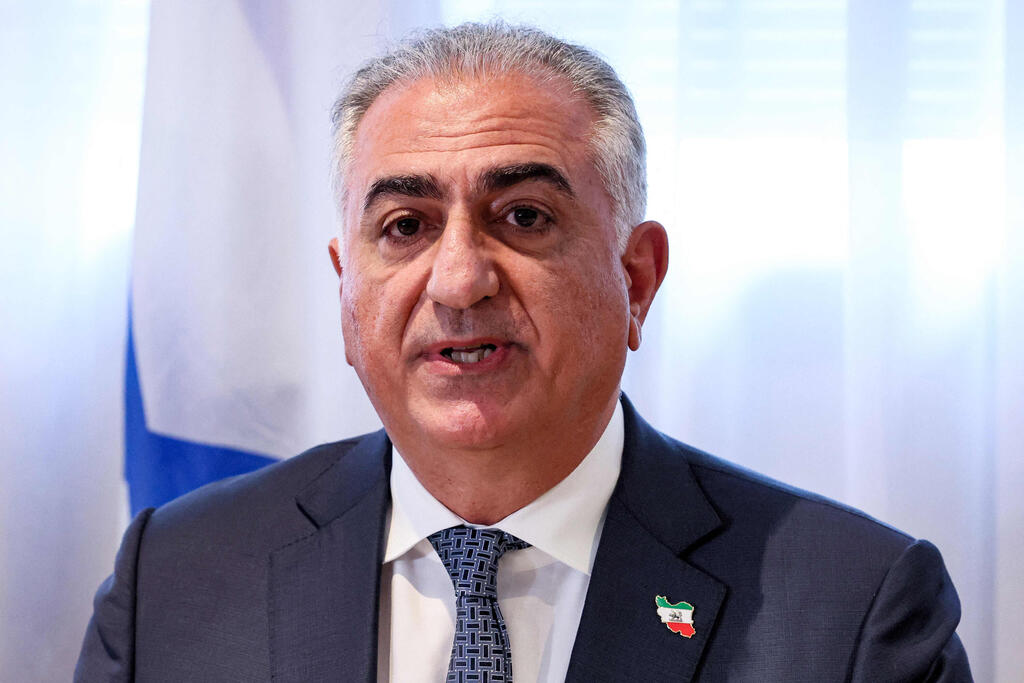
Iranian Crown Prince Reza Pahlavi
(Photo: AFP)
The regime benefits from the fragmented nature of the opposition, Amiry-Moghaddam said.
For now, ordinary citizens in Iran are dealing with the same challenges faced by their counterparts in Israel: managing to survive amid massive bombardments.
“Everyone hopes this ends soon,” Amiry-Moghaddam said. “But hope alone doesn’t stop a war.”