


The IDF began a gradual withdrawal from parts of the Gaza Strip on Thursday morning, hours after U.S. President Donald Trump announced that the first phase of a hostage‑release deal had been approved.
In the initial step, logistical units were pulled back from the Gaza City area. These forces belonged to divisions that have operated within Gaza over the past month as part of Operation Gideon’s Chariots II, a campaign whose military objectives were not fully attained when troops halted before entering target neighborhoods intended for Hamas base destruction.
IDF dismantles post in northern Gaza as ceasefire deal set to take effect
(Video: Gilad Cohen)


Under the plan, Israel is now consolidating and withdrawing large support units from Gaza, repositioning them into Israeli territory and thinning out noncombat personnel within Gaza. Over the course of Thursday, and continuing through the weekend, combat units are expected to depart in stages until the withdrawal from the territory is complete. By next week, thousands of reservists are expected to be released from duty.
A further pullback is anticipated early next week, particularly from the main supply routes in southern Gaza near Khan Younis. The IDF intends to reestablish front‑line defenses somewhat deeper than the current security zone near the border, pending the outcome of ongoing negotiations following the hostage release.
Military officials have dismissed characterizations of extensive “Israeli control” over Gaza as “political fiction,” saying that, “by the coming weekend, Hamas is likely to regain control of much of the territory — especially in urban areas. The IDF will maintain security presence where it flattened infrastructure — in southern Rafah, the fringes of Beit Hanoun and eastern sectors near the border — but most of the withdrawal will cover broader territory. Hamas will be able to reorganize immediately upon a ceasefire.”
Gallery

IDF dismantles post in northern Gaza as ceasefire deal set to take effect
(Photo: Gilad Cohen)
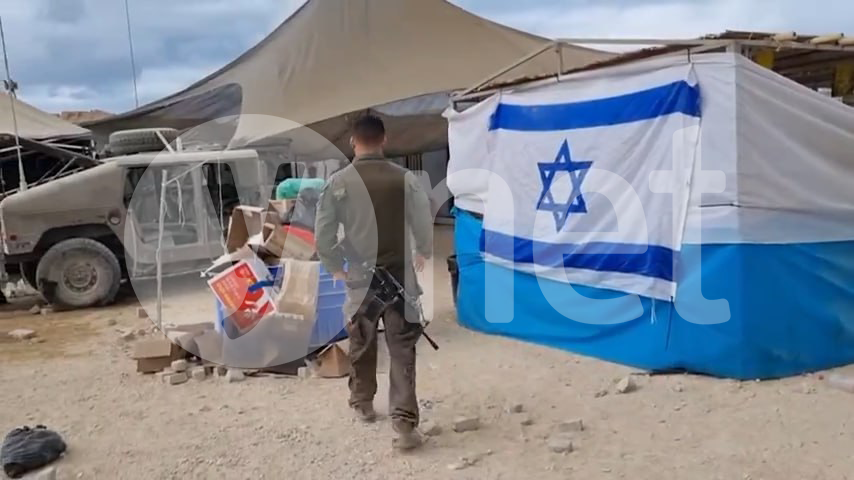
(Photo: Gilad Cohen)
The IDF is on high alert ahead of the ceasefire’s activation, partly out of concern that Hamas may seek to exploit the final hours with rocket barrages, mortar fire or attacks on troops. Military spokespeople welcomed the agreement overnight, saying Chief of General Staff Eyal Zamir had instructed forces in both frontline zones and rear areas to prepare defensively and remain ready for any contingency.
Until the ceasefire begins, Israel has curtailed nonessential activity inside Gaza — including administrative movements — over concerns that Hamas might attempt hostage abductions or cause casualties in a last effort before hostilities formally cease. In the remaining hours of the fighting, the IDF plans “completion” strikes against strategic targets identified in recent days as part of preparations for a controlled withdrawal.
In a statement Thursday morning, the military said: “ Following the political echelon’s instructions and due to the situational assessment, the IDF has begun operational preparations ahead of the implementation of the agreement. As part of this process, preparations and a combat protocol are underway to transition to adjusted deployment lines soon. The IDF continues to be deployed in the area and prepared for any operational development."
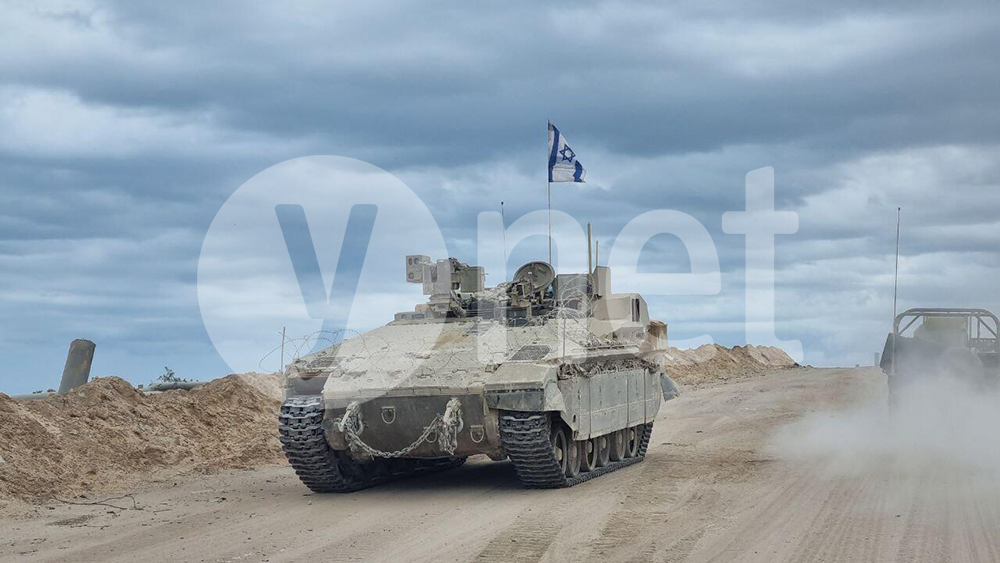
Heading back toward the Israeli border
(Photo: Gilad Cohen)

Heading back toward the Israeli border
(Photo: Gilad Cohen)
The army cited concerns of Hamas “depleting stockpiles,” such as rocket and mortar supplies, as well as potential attempts at attacks on soldiers inside and around Gaza. Overnight, several launches were reported within the territory; no casualties or damage were reported.
Under the terms of the agreement, Israel is expected to withdraw troops to a pre-agreed line within 24 hours of formal government approval. According to the IDF, that redeployment will leave Israeli forces in control of 53% of Gaza’s territory. “Force deployments will be carried out in accordance with the directives of the political echelon and the stages of the agreement, with responsibility and a focus on the safety of our soldiers,” the military said in a statement.
The IDF added that Zamir has also directed preparations for overseeing the release of hostages to be handled with “sensitivity and professionalism.” “The IDF will continue to act to achieve the objectives of the war and to defend the citizens of the State of Israel on all fronts,” the statement read.
In a separate message to Gaza residents, IDF Arabic-language spokesperson Lt. Col. Avichay Adraee warned that northern Gaza remains a dangerous active combat zone. “IDF forces continue to encircle Gaza City, and returning to the area is extremely dangerous,” Adraee said. “Avoid heading north or approaching areas where IDF forces are deployed until official instructions are announced.”