

Efforts to reach a security pact between Syria and Israel have hit a last-minute snag over Israel’s demand to open a “humanitarian corridor” to Syria’s southern Sweida province, four sources familiar with the talks said.
The two sides had come close in recent weeks to agreeing on the broad outlines of a pact after months of U.S.-brokered negotiations in Baku, Paris and London. Talks had accelerated ahead of this week’s United Nations General Assembly in New York.
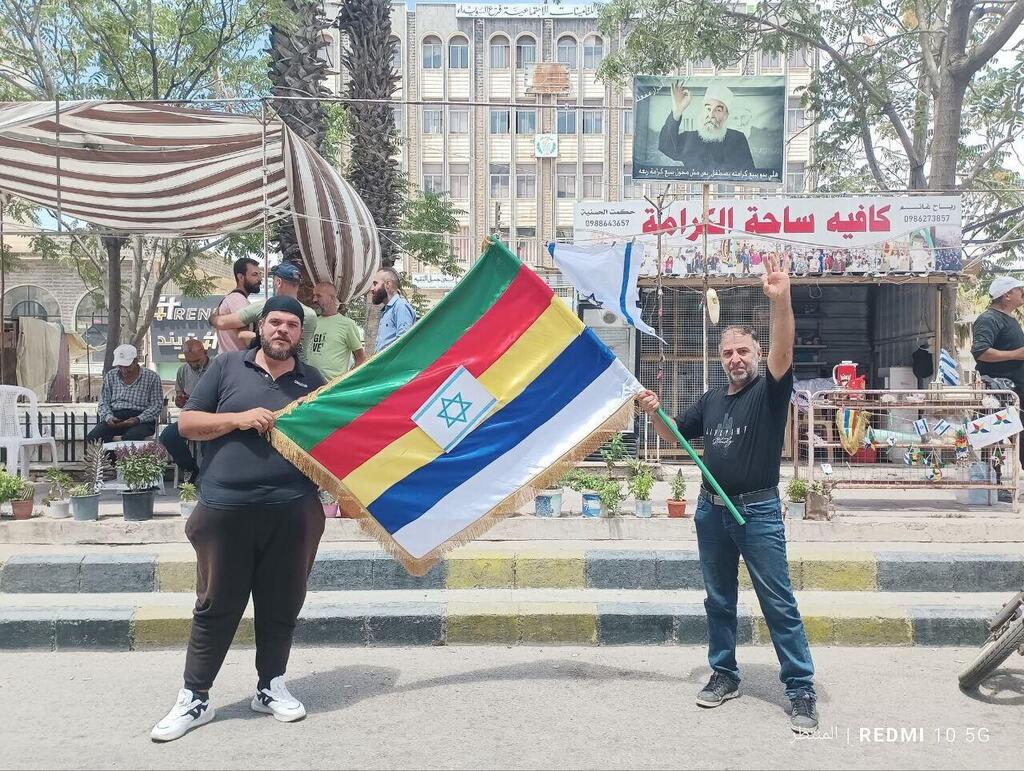
The proposed agreement was intended to establish a demilitarized zone that would include Sweida, where sectarian violence in July left hundreds of members of the Druze community dead. The Druze are a small religious minority that developed out of Islam.
Israel says it will defend Syria’s Druze
Israel, home to about 120,000 Druze citizens whose men are drafted into the military, has said it will protect the community and has carried out strikes in Syria under that banner.
During earlier talks in Paris, Israel asked to open a land corridor to Sweida for aid deliveries. Syria rejected the request, saying it would violate its sovereignty.
Israel revived the demand in recent days, according to two Israeli officials, a Syrian source and a Washington-based source briefed on the discussions.
The Syrian source and the Washington source said the renewed demand derailed plans to announce a deal this week. The sticking point has not been previously reported.
The State Department, the office of Israeli Prime Minister Benjamin Netanyahu and Syria’s Foreign Ministry did not respond to questions about the terms of the talks or the points of dispute.
Shift from security deal to de-escalation
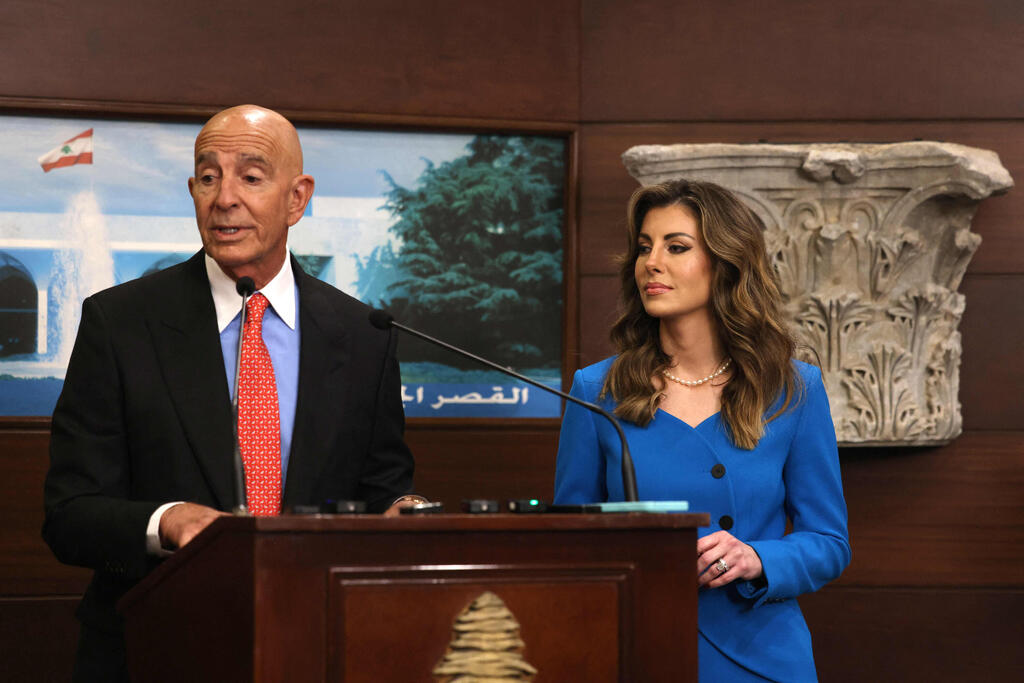
Tom Barrack, the U.S. envoy mediating the talks, said Tuesday that the longtime enemies were close to reaching a “de-escalation agreement.” Under the plan, Israel would halt its attacks and Syria would pledge not to move machinery or heavy equipment near the Israeli border.
He described the measure as a first step toward the wider security pact. But one diplomat familiar with the matter said the U.S. appeared to be “scaling down from a security deal to a de-escalation deal.”
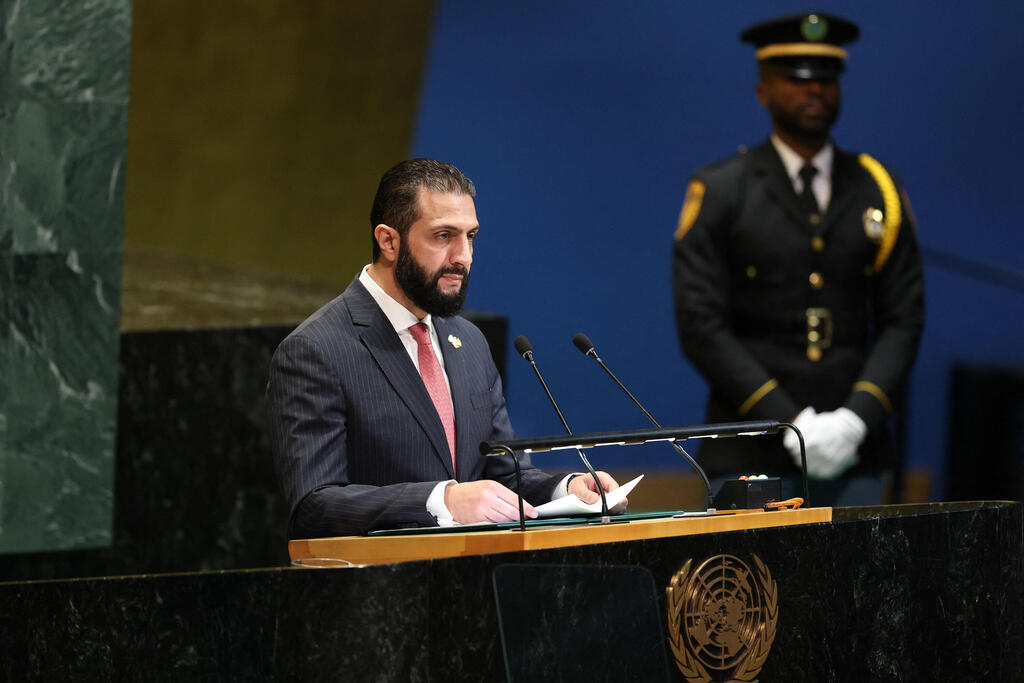
Speaking shortly before Barrack at an event in New York, Syrian President Ahmed al-Sharaa — a former al-Qaida commander who led rebel forces that seized Damascus last year — voiced concern that Israel was delaying progress.
(Photo: ANWAR AMRO / AFP)
“We are scared of Israel. We are worried about Israel. It’s not the other way around,” he said.
A Syrian official said discussions before the General Assembly had been “positive” but that there had been no further conversations with Israeli officials this week.
Netanyahu’s office said Wednesday that any agreement must safeguard Israel’s interests, “which include, inter alia, the demilitarization of southwestern Syria and preserving the safety and security of the Druze in Syria.”
Longtime foes
Israel and Syria have been enemies since Israel’s founding in 1948. A 1974 disengagement deal created a narrow demilitarized zone monitored by U.N. peacekeepers.
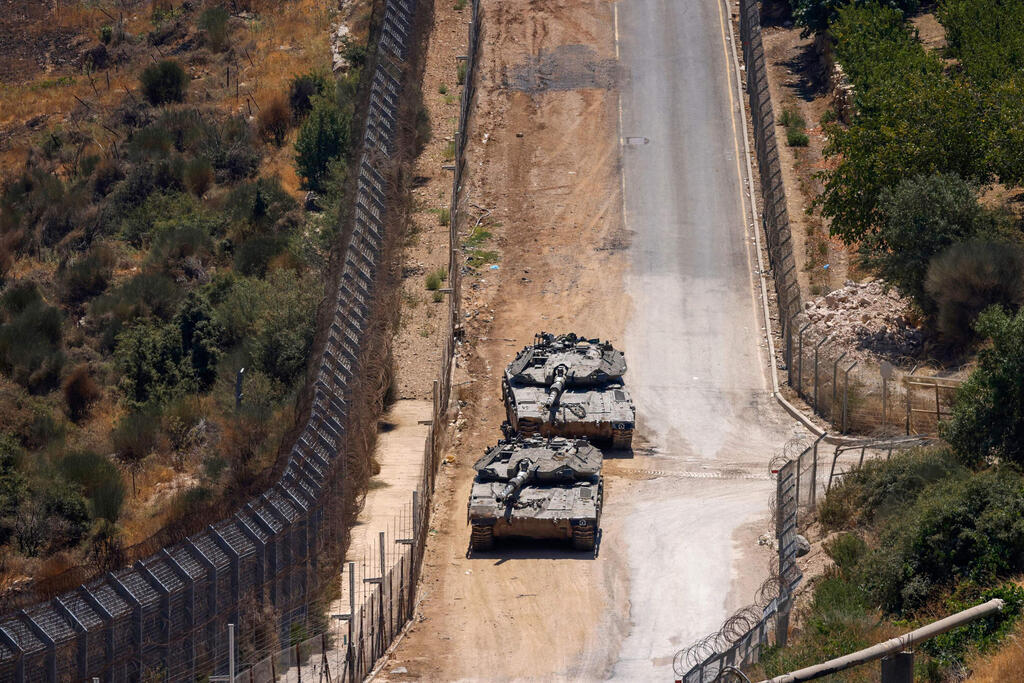
But since rebels toppled Syria’s longtime ruler Bashar Assad on Dec. 8 of last year, Israel has carried out unprecedented strikes on Syrian military assets across the country and sent troops into Syria’s south.
Israel has expressed hostility toward Sharaa, citing his past ties to al-Qaida, and has lobbied the United States to keep Syria weak and decentralized.
(Photo: Jalaa MAREY / AFP)
For months, Syria has pushed for a return to the 1974 disengagement agreement. In mid-September, Sharaa described that deal as a “necessity,” telling journalists that Israel would need to respect Syrian airspace and territorial unity, though he acknowledged the possibility of Israeli violations.
“We could reach a deal at any moment,” Sharaa said. “But then another problem arises, which is: will Israel commit to and implement it? We will see this in the next phase.”