


Against the backdrop of the Trump administration’s formal announcement Wednesday that it is moving to Phase Two of President Donald Trump’s plan for Gaza — which calls for the creation of a technocratic committee to govern the territory in place of Hamas — the names of all 15 members of the body were revealed, along with their close ties to the Palestinian Authority.
The committee members were selected from professional figures with institutional and security experience. They are expected to convene for an initial meeting at U.S. Embassy offices in Cairo, after members based in Gaza join those arriving from Palestinian Authority-controlled areas. Trump’s special envoy Steve Witkoff announced the transition to Phase Two, saying: “We are launching the second phase of the president’s 20-point plan to end the Gaza conflict — moving from a ceasefire to demilitarization, technocratic governance and reconstruction.”
Gallery
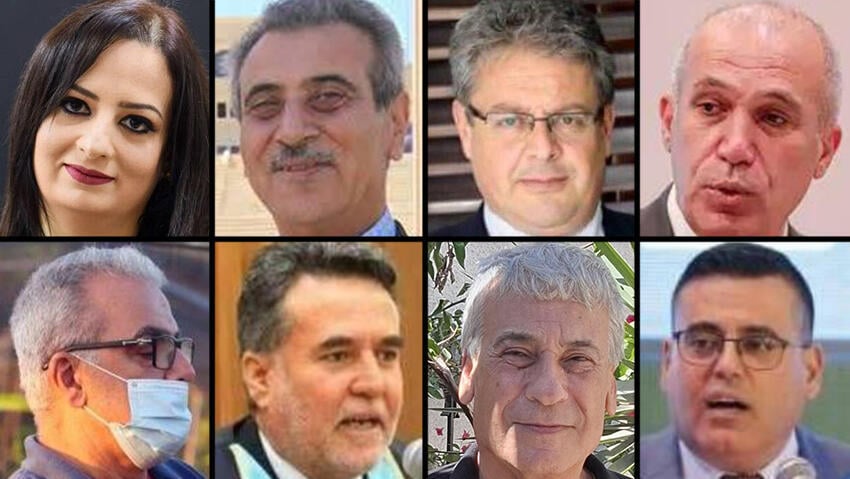
Clockwise from top right: Aed Yaghi, Bashir al-Rais, Ali Shaath, Hana Tarzi, Omar Shamali, Abdul Karim Ashour, Jaber al-Daour and Ayed Abu Ramadan
In addition to committee chairman Ali Shaath, who previously held senior posts within the Palestinian Authority and served as a deputy planning minister, earlier reports identified several members: Abdul Karim Ashour, head of an agricultural aid organization in Gaza and a social activist; Aed Yaghi, director of a medical aid organization in Gaza; Ayed Abu Ramadan, head of Gaza’s Chamber of Commerce; Jaber al-Daour, president of the University of Palestine in Gaza; Bashir al-Rais, an engineering consultant; engineer Omar Shamali, who oversaw Palestinian telecommunications in Gaza; Ali Barhoum, an engineer and adviser to the Rafah municipality; and attorney Hana Tarzi, the first Christian woman lawyer in Gaza.
The remaining committee members are Mohammad Bseiso, owner of one of Gaza’s largest law firms, who will oversee judicial affairs; Sami Nasman, a retired senior officer from Palestinian Authority security forces, responsible for internal affairs; Arabi Abu Shaaban, in charge of the Land Authority; Osama al-Saadawi, an engineer and entrepreneur who previously served as a minister in the Palestinian government in Ramallah and will oversee housing; Husni al-Mughni, responsible for tribal affairs; and Bashir al-Rais, who will handle finance.
Hamas demands continued involvement
Despite the Trump administration’s announcement and the appointment of committee members, sources said the body’s work will not begin immediately. Its operations will start only after the committee determines its internal structure, support teams and governing tools. “There will be no immediate implementation of tasks in Gaza until the committee decides how it will operate,” the sources said.
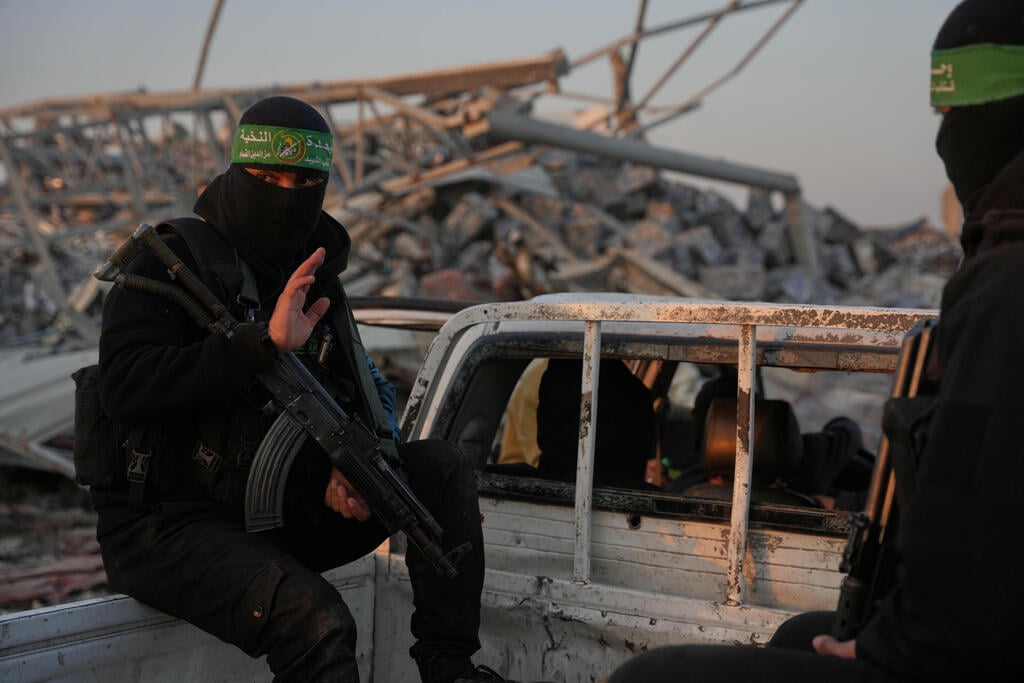
They added that, despite Hamas’ public statements that it would relinquish control of Gaza, the group is demanding that administrative teams it established after seizing power in 2007 continue to function — a demand rejected by other parties involved.
Coordination with the Palestinian Authority
Regarding coordination between the committee and the Palestinian Authority — and contrary to Prime Minister Benjamin Netanyahu’s pledge that the PA would not govern Gaza after the war — sources were explicit: “The committee will coordinate with the government in Ramallah on public and social services in Gaza, while also working with international aid agencies and the United Nations.” Donor countries, they said, are expected to establish a fund to finance the committee’s activities.
(Photo: AP Photo/Abdel Kareem Hana)
Sources within the Palestinian Authority said the committee will be reinforced with civilian and security personnel and will operate from offices in several locations across Gaza, maintaining direct contact with residents. “The committee’s work will begin from central offices and operate in coordination with the UN and the authorities in Ramallah to create professional governance in Gaza,” one source said.
Former officers and Fatah figures
Many committee members have close ties to the Palestinian Authority. Chairman Ali Shaath was selected after a lengthy vetting process. He previously served as a senior official and deputy minister, as well as head of industrial zone development within the PA. While institutionally linked to the authority, he has avoided political policymaking. Associates describe him as a moderate Fatah figure. “Shaath worked within Palestinian government institutions, and his public administration experience is critical to building Gaza’s governing framework,” sources said.
Sami Nasman, a former senior officer in PA security forces, will oversee internal security issues. A Palestinian source said security is “one of the committee’s central responsibilities,” and Nasman will lead those efforts in coordination with local forces.
Aed Yaghi, who runs a medical aid organization working with the Palestinian Health Ministry and the PLO, will oversee health, education and welfare. “Yaghi is the direct link between Gaza’s civil institutions and the Palestinian Health Ministry,” a source said.
Arabi Abu Shaaban, who will head the Land Authority, previously served as director of Gaza’s land registry, overseeing property records and land management.
Israel’s position
Security officials said Israel agreed to the appointment of the committee members. “The names are familiar and acceptable to us,” officials said. “They are Fatah figures who are not extremist and resemble Palestinian Authority officials Israel already works with. Some live in the West Bank and others in Gaza.”
(Photo: Bashar Taleb / AFP)
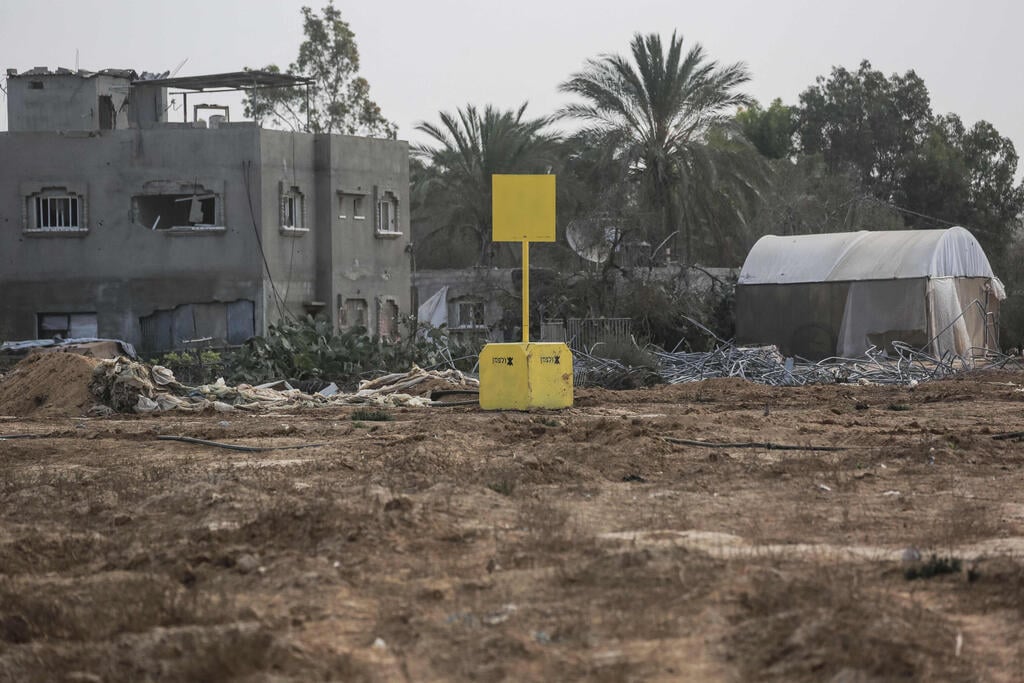
Officials said the real test would be reconstruction implementation, starting with a pilot neighborhood project in Rafah. They added that no withdrawal from the so-called Yellow Line is expected in the near future and that conditions on the ground are not expected to change anytime soon.
Palestinian backing and hostage warning
Palestinian Authority Vice President Hussein al-Sheikh welcomed the move to Phase Two of civilian governance. “We thank President Trump, negotiator Steve Witkoff, Jared Kushner, Nickolay Mladenov, and Egypt, Qatar and Turkey,” he said. He called for maintaining the ceasefire, accelerating humanitarian aid, reopening crossings, beginning reconstruction and ensuring Israel’s withdrawal.
The transition to Phase Two is taking place despite Hamas’ failure to return the body of hostage Ran Gvili. Witkoff said the United States expects Hamas “to meet all of its obligations,” including returning the hostage. “Failure to do so will bring serious consequences,” he said.