


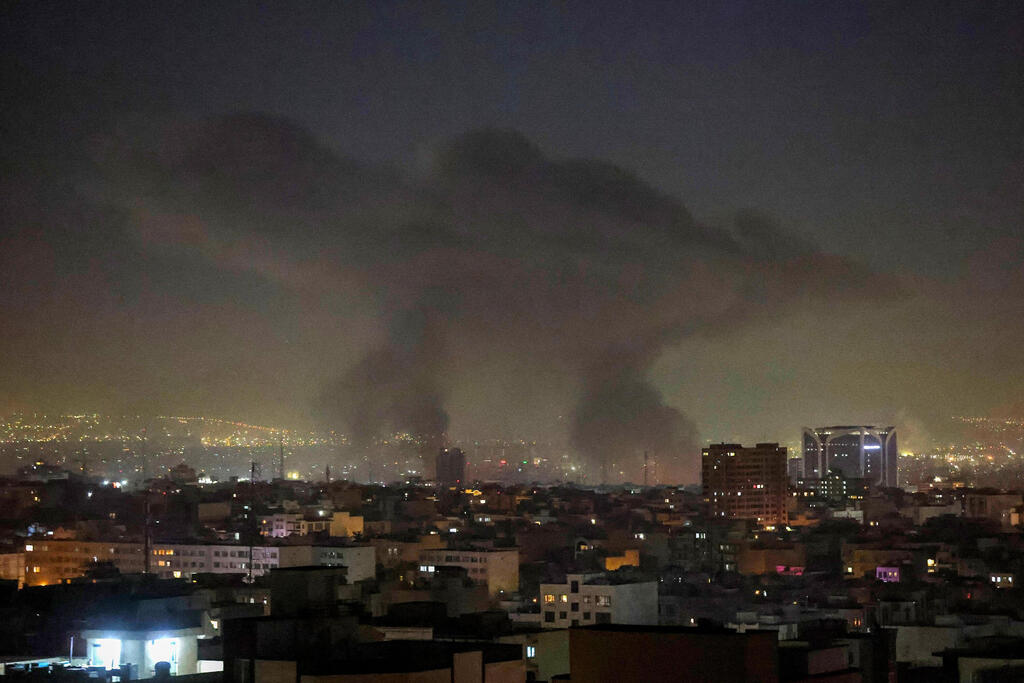
After Israeli strikes in recent days targeted facilities linked to Iran’s Intelligence Ministry, attention has shifted to the powerful agency that for decades has played a central role in Tehran’s domestic repression and overseas operations.
The military said earlier this week that two senior ministry officials were killed in the opening wave of strikes and that additional headquarters, including the main compound, were later hit. The attacks were part of a broader campaign against Iran’s drone array, ballistic missile infrastructure and what Israel describes as key regime institutions.
Founded in 1983, the Intelligence Ministry is one of the Islamic Republic’s primary intelligence bodies and operates alongside the Islamic Revolutionary Guard Corps’ intelligence arm. The ministry reports directly to Iran’s supreme leader and is responsible for intelligence collection, counterintelligence and internal security.
Israeli security officials say the ministry oversees surveillance of political opponents, religious minorities and ethnic groups across Iran. It maintains representatives in each province tasked with monitoring residents and suppressing dissent.
Beyond Iran’s borders, Israeli officials accuse the ministry of helping plan and support attacks against Israeli and Jewish targets and of maintaining close coordination with Hezbollah and the Revolutionary Guard’s Quds Force on regional operations.
According to Israeli assessments, ministry operatives have at times operated under diplomatic cover in foreign countries, including from embassies and consulates, where they allegedly assisted intelligence gathering and operational activity.
In November 2022, Tanzanian authorities arrested an Iranian intelligence officer in cooperation with Israel’s Mossad, according to Israeli officials. They said the officer had been sent to establish an unofficial network in Africa to recruit agents and plan attacks and kidnappings targeting Israelis, Americans, Saudis and Azerbaijanis. Israeli officials said the case provided insight into the ministry’s overseas structure and methods.
Israeli intelligence officials also assessed in 2019 that the ministry was behind the hacking of the cellphone of former military chief Benny Gantz.
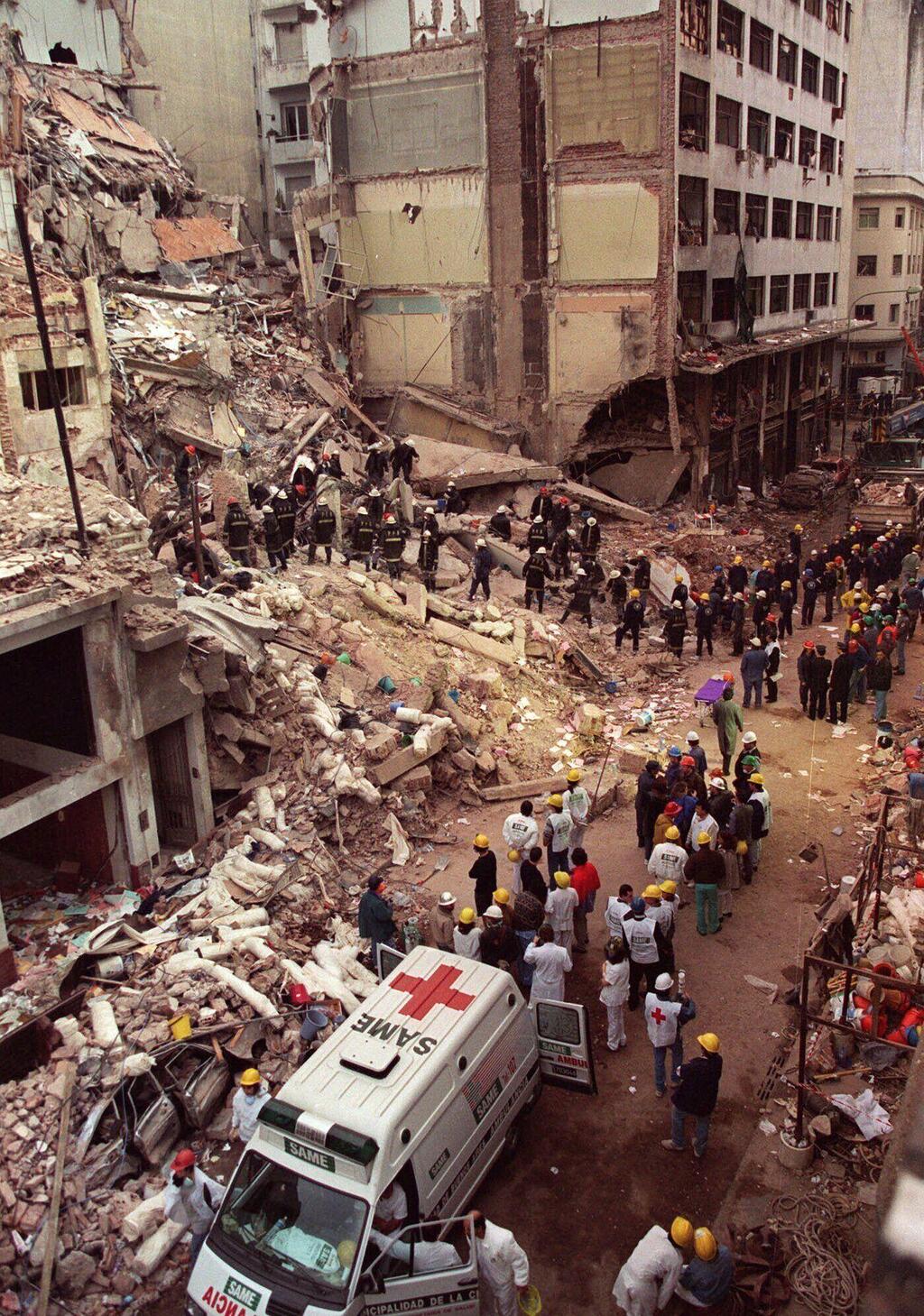
1994 bombing of the AMIA Jewish community center
(Photo: AP)
Some Israeli investigators have linked ministry personnel stationed in Argentina to support for the Hezbollah cell responsible for the 1992 bombing of Israel’s Embassy in Buenos Aires and the 1994 bombing of the AMIA Jewish community center. Argentine authorities later issued arrest warrants for former Iranian Intelligence Minister Ali Fallahian and other Iranian officials in connection with those attacks.
With its headquarters and senior officials now targeted, the Intelligence Ministry — long operating largely out of public view — has moved to the forefront of Israel’s expanding campaign against Iran’s security and intelligence apparatus.