

Wounded IDF female soldiers shared accounts of trauma, survival and recovery this week at the Neshek Gala 2026 in New York, an event organized by Belev Echad to support female IDF veterans wounded in the Oct. 7 Hamas attack and the war that followed.
The event, part of Belev Echad’s Project Neshek, offered a platform for women who survived the massacre to describe what they endured and the long process of healing from the invisible wounds of war.
Gallery
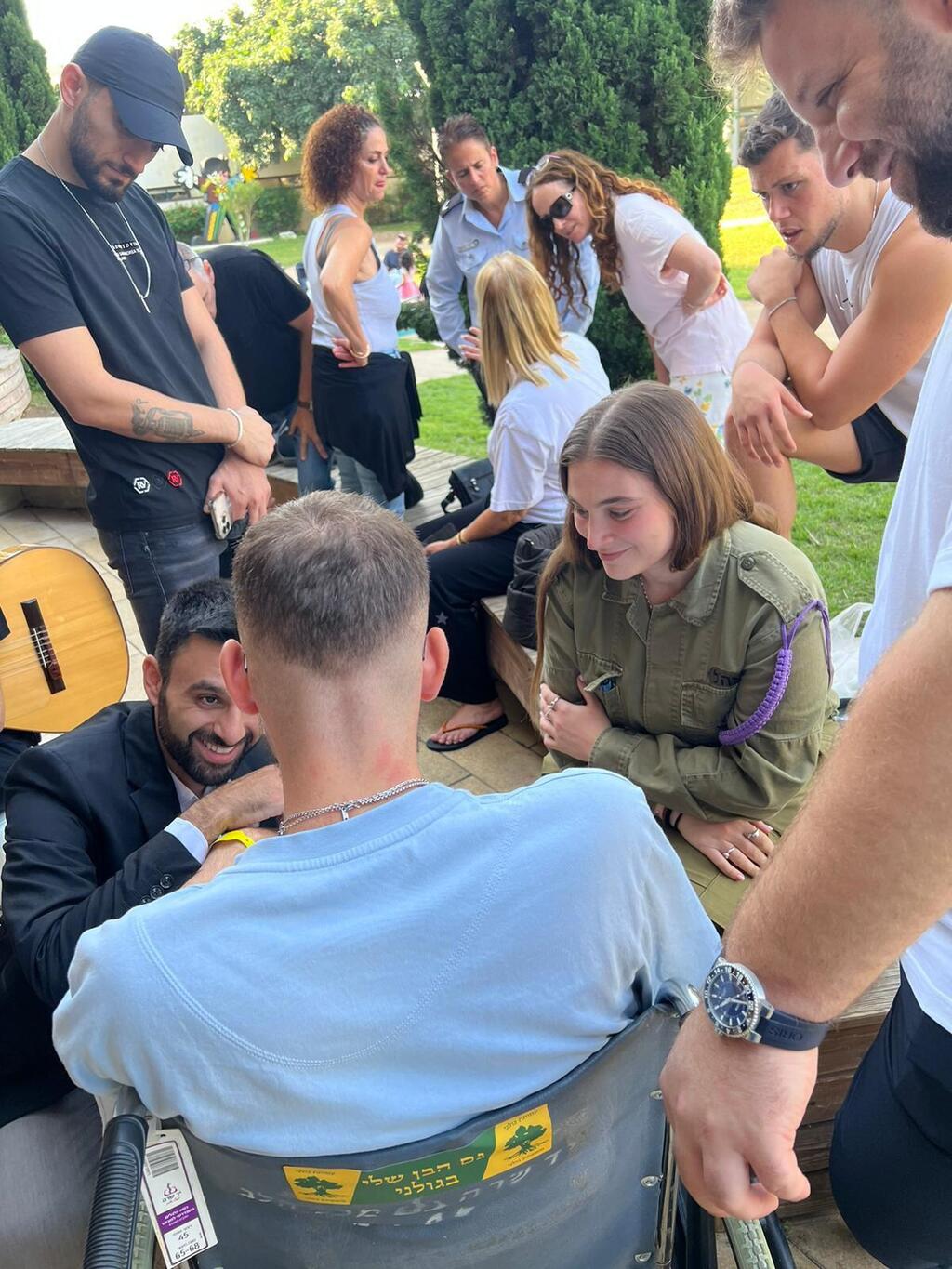
Wounded IDF soldiers and veterans attend a Belev Echad gathering, part of the organization’s support work for IDF service members recovering from war injuries and trauma
(Photo: Belev Echad)
Adi Na’imi, a young Unit 414 soldier stationed at the Kissufim military base during the attack, described spending 12 hours barricaded under a desk with another soldier, armed only with a kitchen knife, as terrorists shouted in Arabic outside the door.
“We heard the shouting right outside the window,” Na’imi said. “We just held those knives, hoping they would save us.”
Na’imi was eventually rescued by the elite Egoz unit, but said survival was only the beginning.
Another testimony came from Shai Bachar, a former soldier in the Golani Brigade’s 13th Battalion stationed at the Nahal Oz base. She was due to be discharged two weeks after the attack.
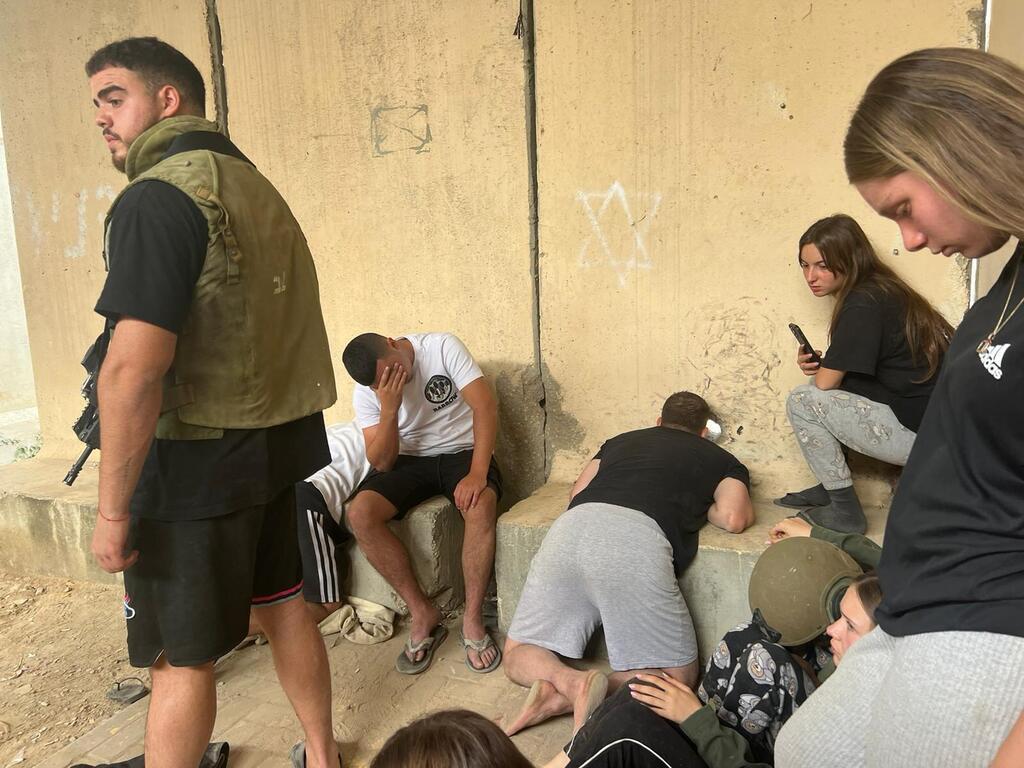
People take cover at the Nahal Oz military base on Oct. 7 as Hamas terrorists attacked southern Israel in the deadliest assaults in the country’s history
(Photo: Belev Echad)
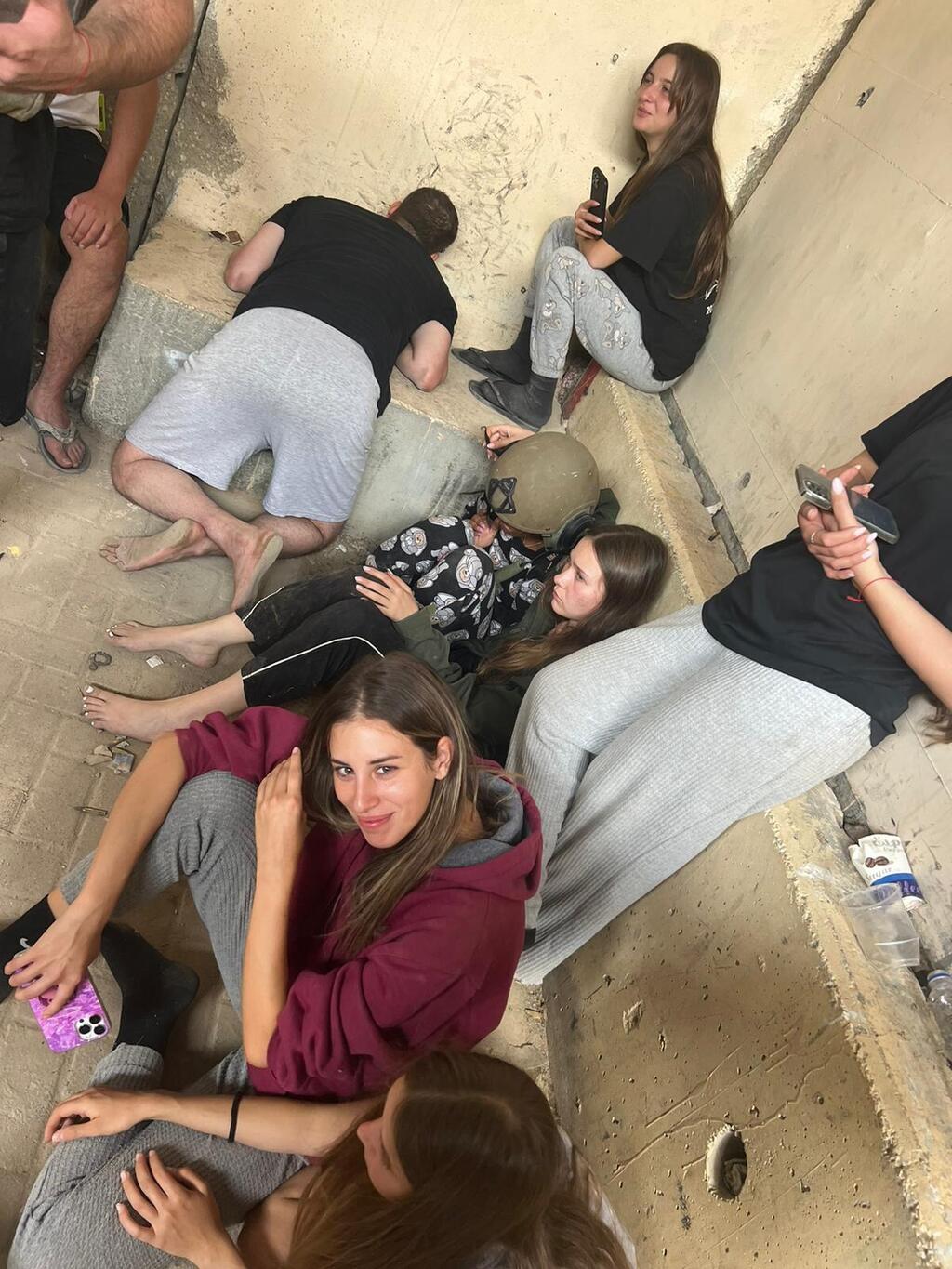
Soldiers shelter at the Nahal Oz base during the Oct. 7 Hamas attack, where survivors later described hours trapped under siege as terrorists closed in
(Photo: Belev Echad)
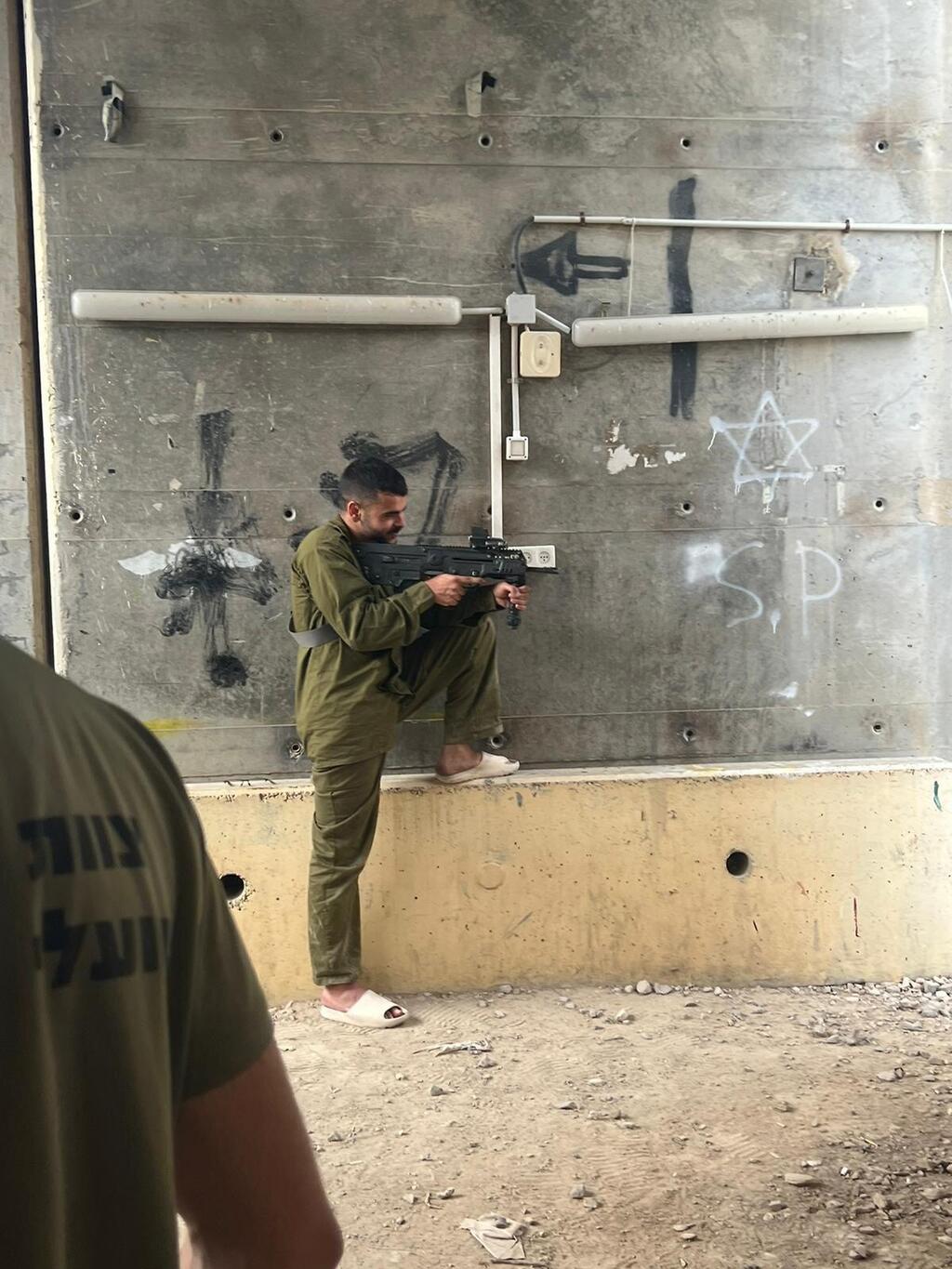
A soldier takes position at the Kissufim base during the Oct. 7 Hamas assault on southern Israel
(Photo: Belev Echad)
Bachar said she was trapped for 11 hours in an unsealed shelter with 20 other soldiers while terrorists moved just outside. During the attack, she became the only communication link between forces on the ground and remote commanders, whispering intelligence into her phone while also receiving messages about the deaths of close friends.
She said she urged wounded soldiers to call their parents — calls that became final goodbyes. Bachar lost 46 friends that day. “I saw evil with my own eyes,” she said. “We stayed alive, but something big inside us died.”
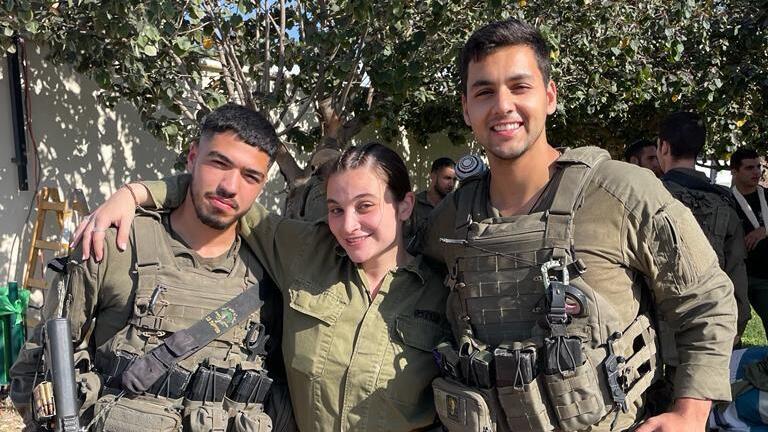
Shai Bachar, center, poses with fellow Golani Brigade soldiers before the Oct. 7 attack; Bachar later survived the siege at the Nahal Oz base, where she lost 46 friends
(Photo: Belev Echad)
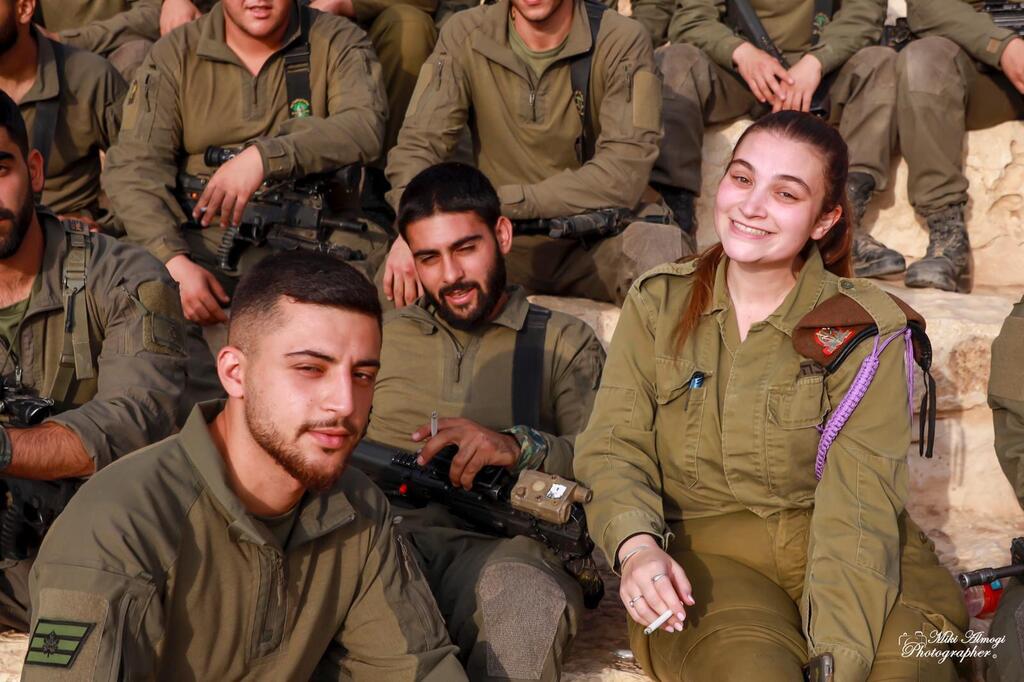
Shai Bachar, right, pictured with fellow Golani Brigade soldiers before the Oct. 7 Hamas attack that transformed her life and military service
(Photo: Belev Echad)
The gala also highlighted the particular challenges faced by female veterans and the creation of Project Neshek, Hebrew for “weapon,” within Belev Echad. Founded by Rabbi Uriel and Shevy Vigler, the project provides a dedicated support network for female soldiers coping with trauma.
“While we treat thousands of brave soldiers, we recognized that our female veterans carry a unique and often silent burden,” the Viglers said in a statement. “Project Neshek was created because these women deserve more than just general support; they deserve a sisterhood.”
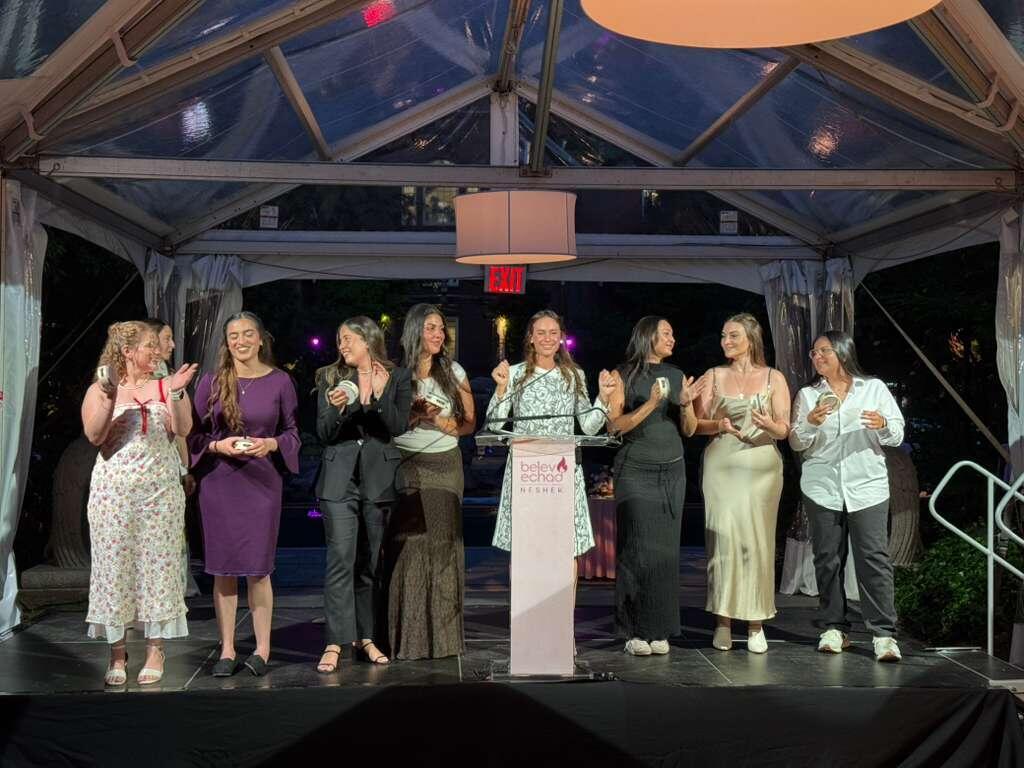
Female IDF veterans take the stage at the Neshek Gala 2026 in New York, where survivors of Oct. 7 shared testimonies of trauma, survival and recovery
(Photo: Belev Echad)
For the participants, the New York visit offered respite from hospitals, sirens and rehabilitation in Israel. The evening included traditional prayers for IDF soldiers, a video presentation on the project’s work and musical performances.
Organizers said Israel’s wounded female soldiers are not seeking pity, but recognition and a community that will stand by them after public attention fades.