

Iran fired repeated missile barrages at Israel from morning into the afternoon Thursday, setting off seven rounds of sirens in central Israel and another in the north, as analysts say poor weather over parts of Iran may be making it harder to detect and destroy launchers before they fire.
Cloud cover over Tehran was heavy on Thursday, with current conditions listed as cloudy, and forecasters predicting continued unsettled weather in the coming days. Reports from Iran also pointed to rain and fog in multiple provinces, conditions that could complicate aerial surveillance and strike operations.
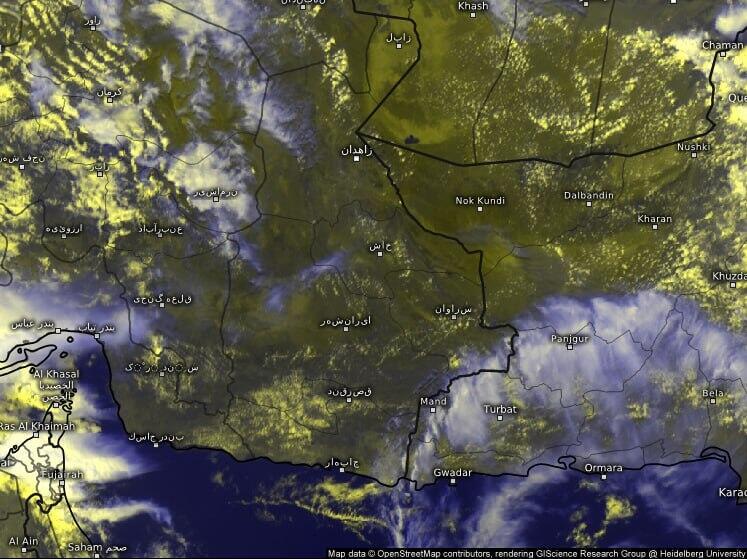
Overcast conditions over Iran
(Photo: Meteologix)
ynet military analyst Ron Ben-Yishai said the effort to track and destroy missile launchers is carried out largely by drones that remain over launch zones around the clock. That, he said, helps explain why the Israeli Air Force has already lost more than 10 drones in the campaign.
Winter-like weather is considered a significant factor in such operations. Stormy or overcast conditions can make it more difficult for the air force to identify launchers, while making it easier for Iranian forces to carry out launches. For that reason, days of bad weather in Iran, and similarly in Lebanon, where Israel has been engaged in fighting against Hezbollah, could lead to heavier missile fire.
Iranian cluster missile hit residential area in Kafr Qasem
(Video: Ido Erez)


Iranian cluster missile hit residential building in Tel Aviv
(Video: from social media)
Iranian cluster missile damages shopping mall in Haifa Bay area
(Video: Gil Nechushtan)
Such conditions appeared to be in place across broad parts of Iran on Thursday. In addition to cloudy skies in Tehran, weather data showed overcast conditions in other areas, including northwestern and southern cities, while outside reports pointed to rain and fog on roads in numerous provinces, including East and West Azerbaijan, Ardabil, Alborz, Tehran, Mazandaran, Ilam, Qazvin, Gilan, Markazi, Golestan, Razavi Khorasan, North Khorasan, Zanjan, Kermanshah, Hormozgan, Hamadan, Semnan, Lorestan, Chaharmahal and Bakhtiari, and Kurdistan.