


Police arrested four more suspects Thursday in an investigation into alleged vote-buying on behalf of the Arab Ra'am party, including three school principals from Bedouin communities in southern Israel, as Prime Minister Benjamin Netanyahu's Likud party prepared to challenge election results at polling stations where it alleges bribery and other violations occurred.
Three of the four newly arrested suspects were subsequently released to house arrest.
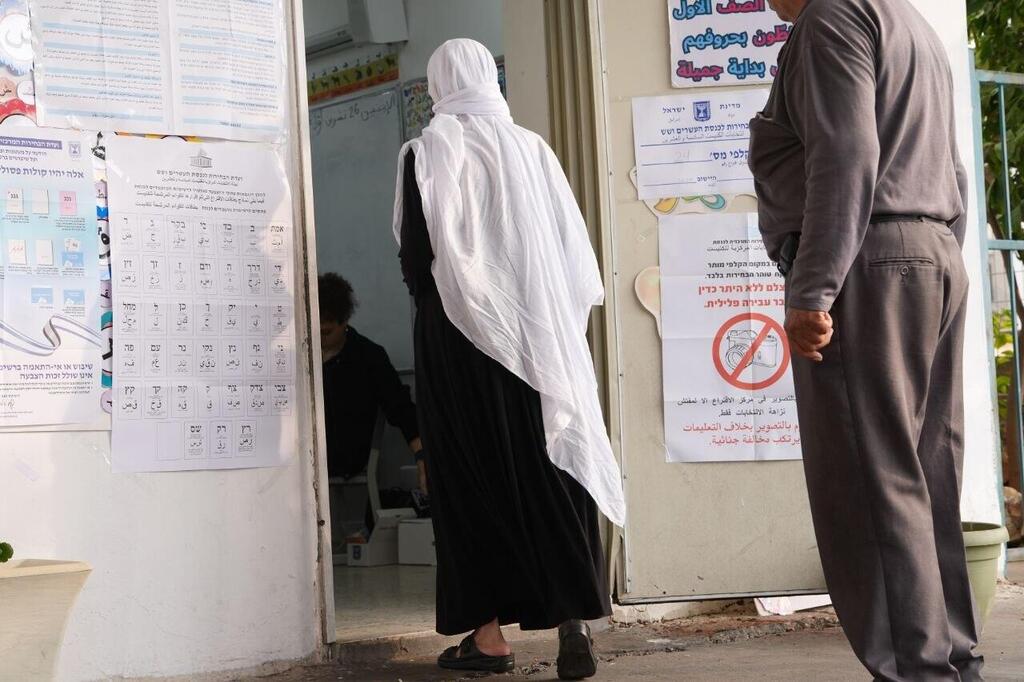
The arrests bring the number of people detained in the investigation to seven since Tuesday's parliamentary election. The case centers on allegations that money and other benefits were offered to voters in exchange for supporting Ra'am, an Islamist party led by Mansour Abbas.
The developments come amid a separate investigation into suspected foreign interference in the election, possibly involving tens of millions of shekels from Qatar. That inquiry is being conducted by the Shin Bet domestic security agency at the request of Supreme Court Justice Noam Sohlberg, chairman of the Central Elections Committee.
The two investigations are distinct, and no connection between the suspected Qatari funding and the alleged vote-buying involving Ra'am has been established.
Likud, meanwhile, is escalating its challenge to the election results as part of a broader political campaign against cooperation with Arab parties following an inconclusive vote that left neither Netanyahu's bloc nor the opposition with a clear parliamentary majority.
The party is preparing to seek the annulment of results at polling stations where it claims voters were bribed or prohibited methods were used to influence the vote, ynet has learned.
Cash payments, fuel vouchers and allegations of vote-buying
A Bedouin source from the Negev, familiar with political activity in the region, described what he alleged was a system used by Arab parties, particularly Ra'am, in the days leading up to the election.
According to the source, political activists visit the homes of low-income residents and offer financial assistance ranging from 200 to 300 shekels ($65 to $95), including to families affected by home demolitions and residents of unrecognized Bedouin villages.
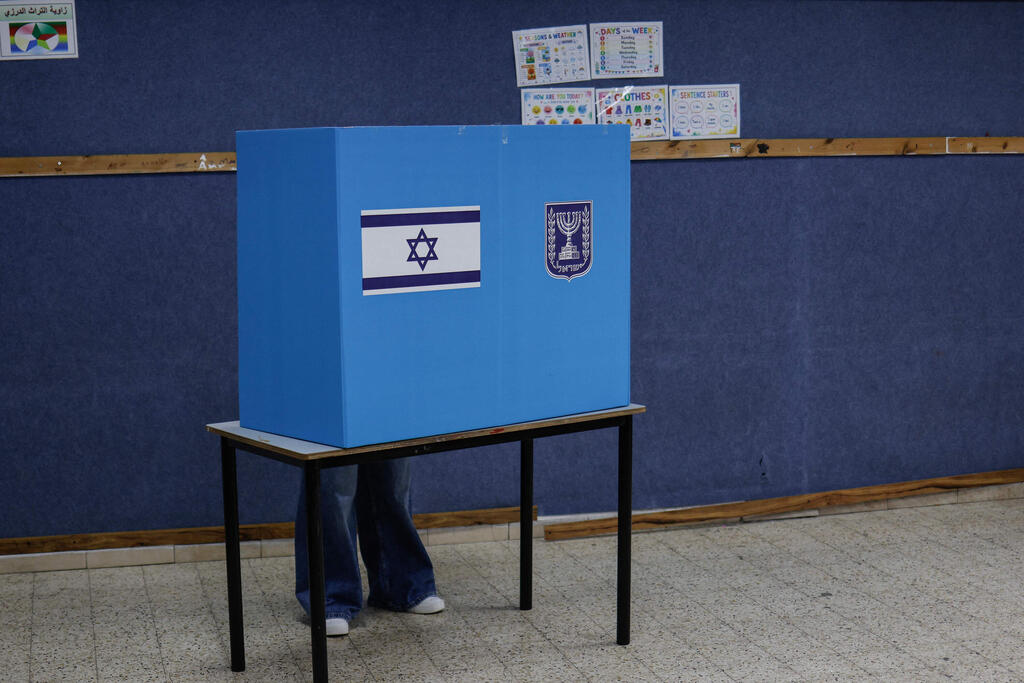
(Photo: Jalaa MAREY / AFP)
He alleged that the payments are presented as assistance to needy families, while recipients are asked in return to support a particular party at the ballot box.
In other cases, he claimed, fuel vouchers worth 100 shekels ($32) are distributed to people who transport residents to polling stations.
The amounts can vary depending on family size, he said, with payments allegedly distributed one or two days before the election and sometimes on Election Day itself.
The source argued that some residents do not view such payments as election bribery but rather as financial assistance, particularly given the poverty and lack of basic services affecting disadvantaged Bedouin communities.
"I don't understand what all the fuss is about," he said. "We learned this from Shas, which has been doing it for years and even distributes money in synagogues."
Shas is an ultra-Orthodox Jewish political party that has long been part of Netanyahu's governing alliances.
"So why all the fuss now? Just because we're Arabs? Because we turned out to vote and became a powerful political force?" the source asked.
His allegations against Shas were not substantiated in the account.
Likud prepares legal challenge to election results
Senior Likud officials said the party intends to petition election authorities in the coming hours over polling stations where it suspects bribery or the use of prohibited methods.
"New elections must be held at these polling stations," senior party officials said.
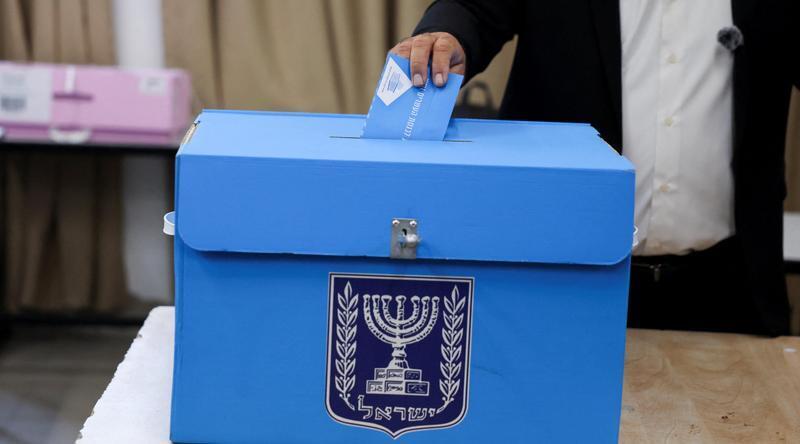
(Photo: Reuters)
Attorney Ilan Bombach, Likud's legal adviser and a deputy chairman of the Central Elections Committee, is preparing the petition based on material the party previously submitted to the committee.
Likud alleges that the material documents election bribery and the use of prohibited methods, including applications that tracked the identities of voters at polling stations.
The planned challenge is separate from the Shin Bet investigation into suspected foreign financing.
Likud maintains that the evidence it has already submitted is sufficient to invalidate results at certain polling stations and require voting to be repeated there.
Bombach is not alleging that ballot papers were forged or that vote totals were falsified. Instead, the petition focuses on alleged bribery, the use of prohibited election methods and the distribution of money or other benefits to voters in exchange for their support.
The party's allegations have not been established in court.
Under Israeli election law, election results can be challenged through a separate legal process. Courts may order voting to be repeated at specific polling stations if violations are established and could have affected the results.
The planned petition comes as Arab parties have emerged with potentially decisive parliamentary influence following Tuesday's election, intensifying political disputes over whether the opposition could form a government with their support.
Seven suspects detained, including three school principals
The latest arrests follow the detention of three suspects on Election Day by investigators from Lahav, the Israel Police's national investigations unit, on suspicion of election bribery and conspiracy to commit a crime.
The original suspects were identified as Ibrahim al-Gharibi, 42, from the Al-Azazmeh community; Hussein Masaudin, 63, from Segev Shalom; and Saif Abu Riaash, 38, a physician from the Al-Sana tribe.
A magistrate's court initially extended the detention of al-Gharibi and Masaudin until Sunday while ordering Abu Riaash released to house arrest.
Police appealed the physician's release, however, and his detention was subsequently extended as well.
During court proceedings, a Lahav representative said Abu Riaash had organized gatherings at private homes to encourage residents to vote for Ra'am.
"He holds meetings in people's homes to get them to vote for Ra'am, even though he is a doctor, and that is problematic," the police representative said.
Al-Gharibi is suspected of violating election law after investigators searching his home discovered cash. A search of his vehicle also uncovered envelopes bearing Arabic writing, green shirts and flags, and Ra'am ballot slips.
Masaudin, meanwhile, accused authorities of politically motivated persecution.
His defense attorney said envelopes discovered at his home bore the name of the Islamic Movement, the religious and political movement associated with Ra'am, and that each contained 1,000 shekels ($320) intended as charitable donations to low-income families.
Investigators also seized another envelope containing 12,000 shekels ($3,840). Masaudin said that money belonged to his son.
The suspects have denied wrongdoing, and the allegations remain under investigation.
'The Bedouins came out to vote because they feared for their lives'
A relative of Abu Riaash rejected suggestions that the surge in Bedouin voter turnout resulted from improper financial inducements.
Instead, he attributed the increase to anger over National Security Minister Itamar Ben-Gvir, whose policies toward Bedouin communities in the Negev have drawn criticism.
"The increase in voter turnout in this election is because of one thing: the failed minister who caused damage in the Negev, Ben-Gvir," the relative said.
"Of course the Bedouins came out to vote. They feared for their lives. There's also no sense of security."
The relative said his own experiences during the Hamas-led Oct. 7, 2023, attack had strengthened his determination to influence the country's political direction.
"I was at the gas station in Kfar Aza on Oct. 7. I am officially recognized as a victim of a terrorist attack, so of course I want to influence this government and change it," he said. "That's how everyone is thinking."
Separate Shin Bet investigation examines suspected Qatari funding
In a parallel development, Sohlberg, who also serves as deputy chief justice of the Supreme Court, sent an unusual letter to Shin Bet Director David Zini calling for an investigation into suspected foreign funding and election bribery involving foreign actors.
The letter followed a meeting between Sohlberg and Zini on Wednesday.
The suspected interference reportedly involves an attempt by Qatar to influence Israel's election through transfers estimated at tens of millions of shekels.
The intelligence underlying the suspicions has been described as "solid," although the precise nature of the alleged payments, their intended recipients and whether any election bribery actually occurred remain unclear.
According to information obtained by ynet, the Shin Bet had possessed the intelligence for several days but waited to determine whether the suspected bribery would take place.
The agency declined to comment on the investigation.