


For the first time since October 7, and following the findings of Bar-Ilan University’s Project Dinah published last month, UN Secretary-General António Guterres intends to add Hamas to the UN “blacklist” of organizations and countries that have committed sexual violence as a weapon of war — in connection both to the massacre and to sexual violence against hostages in captivity. This is according to a draft of the UN’s annual report on the subject, circulated to members of the Security Council ahead of a special discussion on sexual violence in conflict, scheduled for August 19 in New York.
The annual report includes a detailed section on sexual violence in conflict zones. Last year’s edition covered 23 conflict areas and referenced the sexual violence committed on October 7 — following the visit of Pramila Patten, the UN Under-Secretary-General on Sexual Violence in Conflict. However, Hamas was not included in the report’s annexed blacklist at the time, as there was deemed to be insufficient information directly linking the group to the reported sexual assaults. The UN stated then that further investigation was required.
Gallery
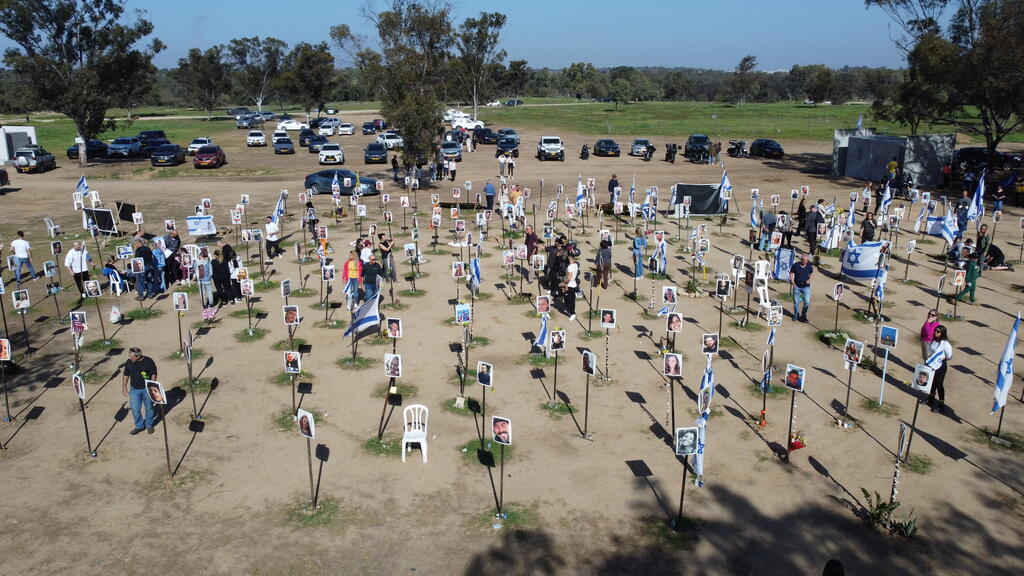
Report revealed dozens of testimonies and evidence of rape, in at least six different locations, including the site of the Nova Music festiv
(Photo: Shaul Golan)
The turning point came this year with the release of Project Dinah, led by Professor Ruth Halperin-Kaddari, retired District Court Judge Nava Ben-Or, and Col. (res.) Sharon Zagagi-Pinhas, former Chief Military Prosecutor of the IDF. Attorney Ayelet Razin Beit-Or also participated in collecting the evidence and documentation that form the basis of the report.
The extensive report, published in full last month, is based on accounts submitted to the project team as well as additional information. To compile its findings and analyze the data, the team created an evidentiary platform that categorized items according to their probative value and analyzed them accordingly.
Among the material collected were the testimony of a survivor of an attempted rape at the Nova music festival; interviews with 17 eyewitnesses or earwitnesses to the attacks; conversations with therapists who treated victims; and the published testimonies of 15 hostages who were released from captivity in Gaza. The project is named after Dinah, the first rape victim mentioned in the Bible, and, according to one of the authors, aims to “give voice to those who can no longer speak.”
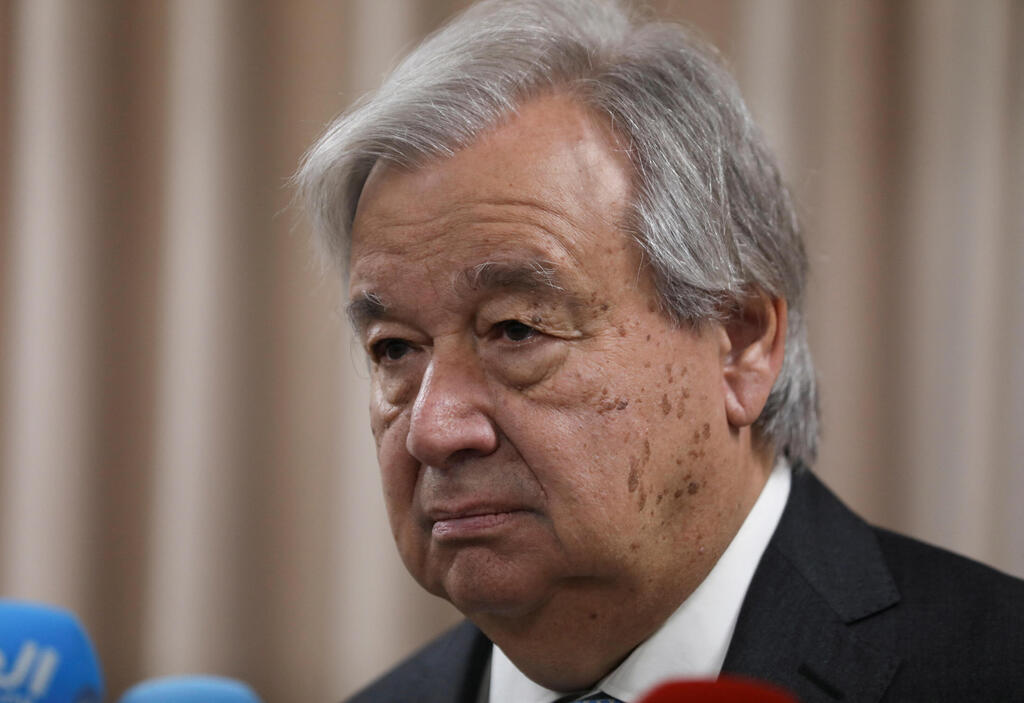
UN Secretary-General António Guterres will add Hamas to the UN blacklist of organizations and countries that have committed sexual violence
(Photo: Alaa Al-Sukhni/Reuters)
The report uncovered dozens of testimonies and pieces of evidence of rape, sexual assault, and deliberate mutilation — described as a systematic, deliberate, and premeditated weapon of war used by Hamas militants, both during the massacre and in captivity. “We seek to clarify the historical facts: Hamas used sexual violence as a tactical weapon in war,” the report’s authors wrote. According to the findings, sexual violence occurred at no fewer than six locations: the Nova festival, Route 232, the Nahal Oz military base, and the kibbutzim of Re’im, Nir Oz, and Kfar Aza — as well as against hostages while in captivity.
Get the Ynetnews app on your smartphone: Google Play: https://bit.ly/4eJ37pE | Apple App Store: https://bit.ly/3ZL7iNv
The report was formally delivered to the UN secretary-general and to Patten, and was also sent via Israel’s ambassador to the UN, Danny Danon. Sources familiar with the matter said: “Not only is this good news that the UN is finally adding Hamas to the blacklist, but it also shows that when serious, thorough work is done — the UN cannot ignore it.”

Former hostage Amit Soussana has spoken about Hamas' sexual violence
(Photo: Amit Shavi)
However, the draft also includes a warning to Israel: if it does not take steps to demonstrate serious handling of allegations and suspicions of sexual violence as a weapon of war, it could be included in the next report. This follows allegations regarding sexual violence by Israeli security forces against Palestinian prisoners and detainees in several prisons, detention facilities, and a military base — including the Sde Teiman facility. The secretary-general noted that Israel’s refusal to grant UN inspectors access hampers his ability to determine patterns and trends definitively, but warned of “serious concerns” about their existence.