

Israel is still assessing the results of an airstrike in southern Sanaa, Yemen, and examining whether it succeeded in killing Defense Minister Mohamed al-Atifi and Chief of Staff Muhammad Abd Al-Karim al-Ghamari — hours after the Houthis launched another drone toward Israel. In Yemen, the strike — which coincided with a speech by Houthi leader Abdul-Malik Badr al-Din al-Houthi — was described as an “earthquake.”
“It was much stronger than the strikes we’re used to here,” one Sanaa resident told Ynet, adding: “The blast was very powerful, it felt like it came from underground,” and estimated that the Israeli military fired 10 missiles in less than five minutes. The location, he said, was “not far” from the site targeted in June, when Israel unsuccessfully tried to kill the Houthi chief of staff.

On Yemeni social media, calls emerged urging people not to publish footage of the strikes, prompting ridicule. Reuters, citing Yemeni military officials, reported the airstrikes targeted the presidential compound and an adjacent building containing a command center and a missile storage facility.
The Israel Defense Forces said it struck one target, but Reuters cited Israeli officials who said multiple sites were hit, all gatherings of senior Houthis who had come together to watch the leader’s speech.
The strike was approved by Defense Minister Israel Katz, IDF Chief of Staff Lt. Gen. Eyal Zamir and top military commanders, in coordination with Prime Minister Benjamin Netanyahu over a secure line. The operation was codenamed “Drop of Luck.”Katz later said: “As we warned the Houthis in Yemen: After the strike of darkness comes the strike on the firstborn. Whoever raises a hand against Israel — his hand will be cut off.”
Houthi leaders in Israel’s crosshairs
Muhammad Abd Al-Karim al-Ghamari, Houthi chief of staff. A close confidant of the Houthi leader, he has stood by his side in various battles. Reports say that in 2012 he traveled to Beirut’s southern suburb of Dahiyeh and underwent training with Hezbollah instructors, as well as with Iran’s Revolutionary Guard. According to the U.S. Treasury Department, he directed the deployment and acquisition of weapons in Yemen, including drones, and oversaw attacks on Saudi targets. He is also accused of orchestrating attacks against Yemenis in areas controlled by the internationally recognized government. The U.S. sanctioned him for involvement in “activities that threaten the peace, security and stability” of Yemen.
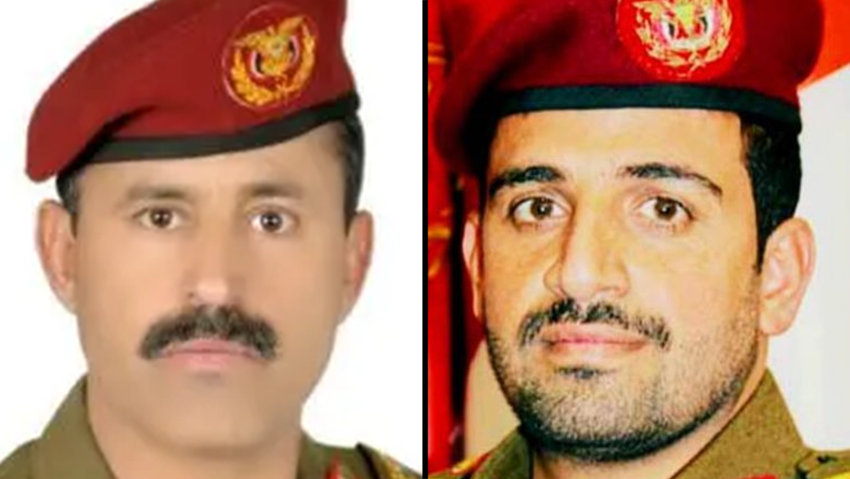
Mohamed al-Atifi and Muhammad Abd Al-Karim al-Ghamari
Israel already tried to assassinate him in June, during the 12-day war with Iran, targeting what an Israeli official described as a “qat-chewing session” attended by al-Ghamari. “This is no joke,” the official said at the time.
Mohamed al-Atifi, Houthi defense minister. A longtime military figure, he has held multiple command roles in missile forces. In a joint statement with al-Ghamari, he once declared: “Yemen will remain a front of support for Gaza and Lebanon. Military operations will continue and our position will never change until the aggression and the siege are stopped.”
Other senior Houthi figures
Abdul-Malik Badr al-Din al-Houthi, leader of the Houthis. The 46-year-old took over leadership in 2004 after the death of his brother, the group’s founder Hussein Badr al-Din al-Houthi. The Houthis derive their common name from the family’s Zaidi-Shiite tribe, though their official name is Ansar Allah (“Supporters of God”). He delivers weekly Thursday addresses remotely to supporters. He continued his speech even as the strikes hit Sanaa.
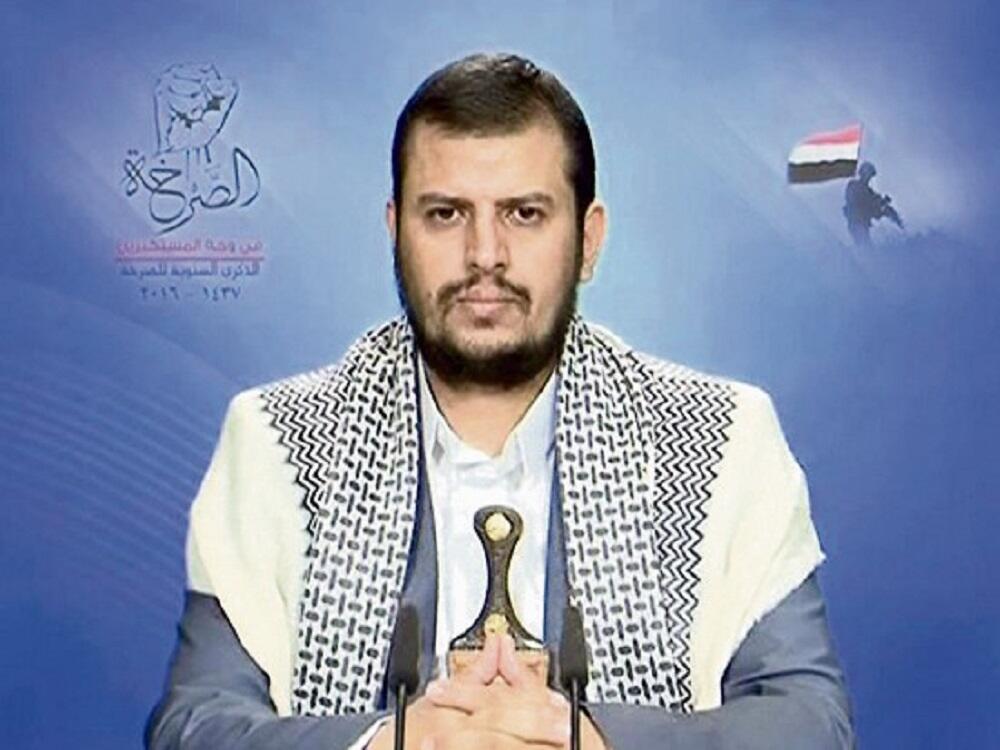
Abdul-Malik al-Houthi
( Photo: Screenshot)
Yahya Saree, military spokesman. At 55, he has become the Houthis’ public face during the Gaza war, issuing statements claiming responsibility for missile and drone launches at Israel and for attacks on Red Sea shipping. He has served as spokesman since 2018.
Mehdi al-Mashat, president of the Houthis’ Supreme Political Council. Now age 39, he joined the council in 2017, handling its economic portfolio. He became president after his predecessor Saleh al-Sammad was killed in 2018. He also holds the title of “commander-in-chief of the armed forces.” Early in the Gaza war, he declared: “The war has become a war against Islam. The West and America have mobilized alongside Israel.”
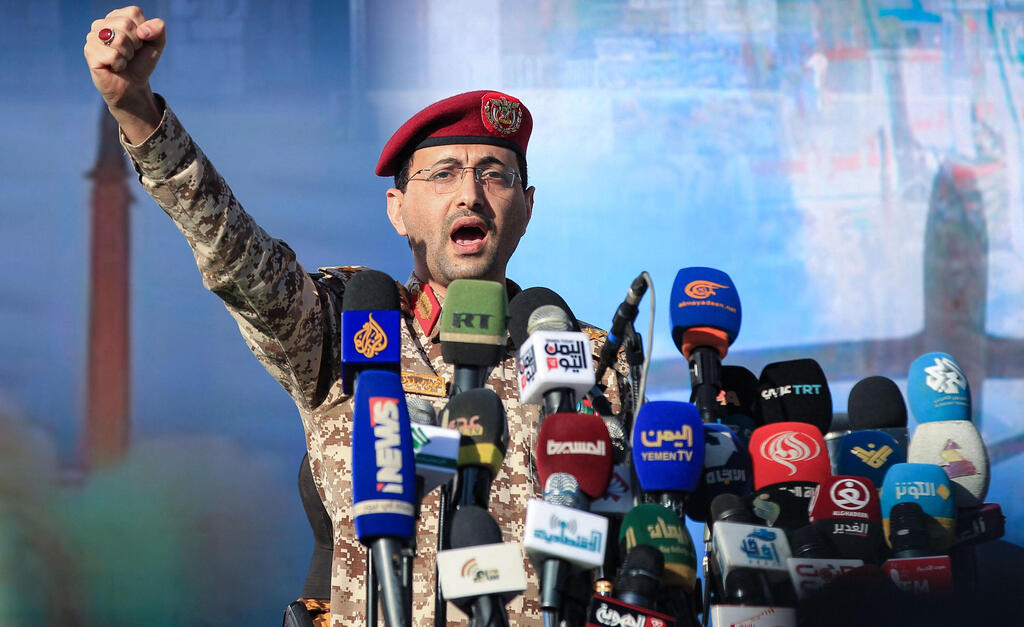
Yahya Saree, military spokesman
(Photo: Mohammed Huwais / AFP)
Mohammed Fadl Abd al-Nabi, Houthi naval commander. Now 72, he visited the hijacked Galaxy Leader ship in November 2023, warning that “any military vessel protecting Israeli ships will be a target” and vowing Houthis would continue operations “until the American-Israeli aggression against Gaza ends.”
Mohammed Ali al-Qadri, commander of coastal defense forces. He is believed responsible for Houthi attacks on commercial shipping. The UK sanctioned him last year.
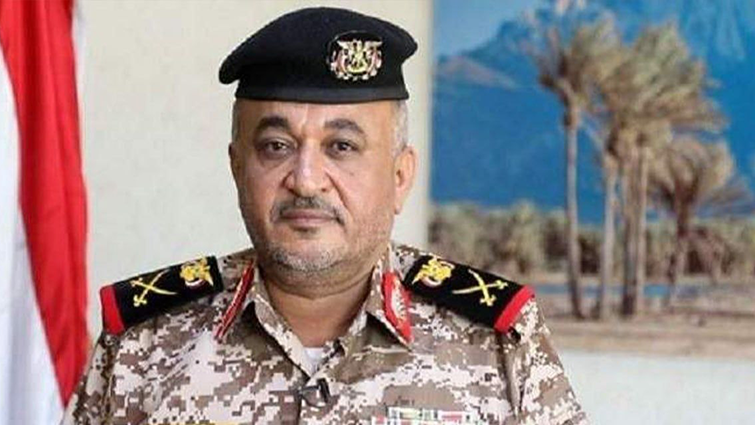
Mohammed Ali al-Qadri, commander of coastal defense forces
Abu Ali al-Hakim, head of Houthi military intelligence. Reports after a December Israeli strike in Yemen claimed he was injured, though no confirmation followed.
Abd al-Ridha Shahlai, Iranian Quds Force officer overseeing Yemen. He funds and arms the Houthis and is listed as a global terrorist. The U.S. has offered up to $15 million for information on him. Also known as Yousef Abu al-Karh and Haj Yousef, he is based in Sanaa.
Political and propaganda figures
Beyond military commanders, Houthi political bureau members have become prominent through social media and media appearances since the Gaza war and looked like targets of Israel.
Hezam al-Asad, political bureau member, frequently tweets in Hebrew hinting at drone and missile attacks before official claims.

Hezam Al-Asad, political bureau member
Mohammed al-Bukhaiti, another political bureau member, often gives interviews.
Mohammed Ali al-Houthi, Supreme Political Council member.
Nasruddin Amer, chairman of Yemen’s Saba news agency and senior Houthi media figure.
Mohammed Abd al-Salam, spokesman for Ansar Allah, travels internationally and engages in negotiations. In November, he said: “The conflict with the Zionist enemy is inevitable. Wars with it are merely rounds of a conflict that will end with its disappearance.”