

Prime Minister Benjamin Netanyahu said Sunday that the international stabilization force envisioned for Gaza under the Trump plan will not be capable of carrying out the core missions required on the ground — even as Washington faces significant difficulties recruiting countries willing to participate.
Speaking at a conference of ambassadors and heads of Israeli missions abroad, Netanyahu said American efforts to form the force have revealed the limits of what such a deployment can achieve.
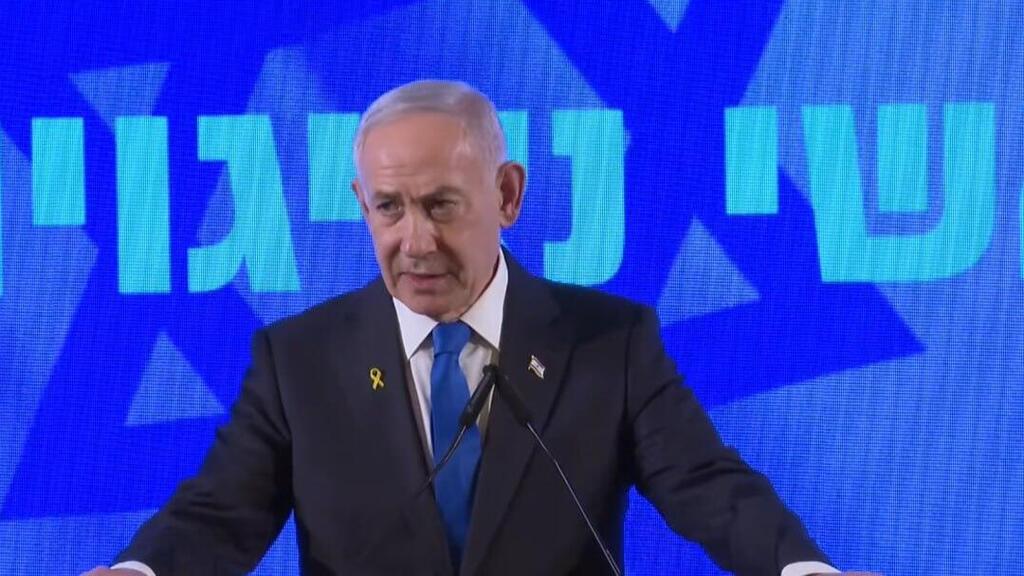
“Our friends in America want to set up an international force to do the work,” he said. “I said, ‘Please, are there volunteers? Go ahead.’ We know there are certain tasks this force can do, but not everything — perhaps not even the main tasks.”
Netanyahu added that the matter will be a key topic in his upcoming meeting with U.S. President Donald Trump at the end of the month. “In the second phase, we move toward disarmament and demilitarization,” he said, reiterating that Israel will ensure Hamas cannot reconstitute itself.
Despite U.S. efforts, few Arab or Muslim countries have expressed willingness to contribute troops to the proposed International Stabilization Force (ISF). Azerbaijan initially signaled openness but has since appeared to back away, with some Israeli officials pointing to possible Turkish pressure. Washington continues to press forward with preparations, but the coalition remains far from assembled.
Earlier Sunday, Netanyahu appeared alongside German Chancellor Friedrich Merz, marking their first joint press conference since Netanyahu requested a presidential pardon. The prime minister declined to say he would retire from politics if granted a pardon. “They are worried about my future,” he told Merz. “We have major tasks ahead — including with Germany.”
Netanyahu’s comments came just hours after Hamas official Bassem Naim said the terror group was prepared to discuss “freezing or storing” its weapons as part of the ceasefire framework — a statement that drew attention because the issue of Hamas disarmament is considered one of the most contentious elements of Phase II.
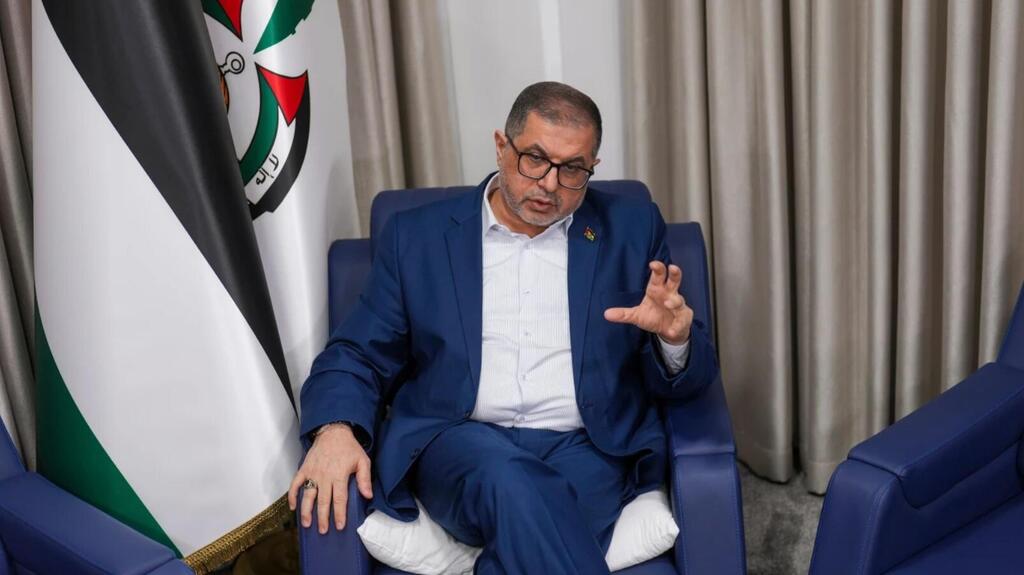
Bassem Naim
(Photo: Francisco Seco/ AP)
Naim said Hamas was “open to a comprehensive approach to avoid further escalations,” though Israeli officials have long insisted on full disarmament.
The family of Sergeant First Class Ran Gvili — the last slain hostage still held in Gaza — has called on the government not to enter the next phase of the deal until he is returned. Netanyahu responded that Israel has acted throughout with hostage safety in mind. “We evacuated a million residents from Gaza and chose not to attack underground to avoid harming the hostages,” he said. “We brought back all the remains and freed all the living. Only one remains — Ran, a hero of Israel. I pledged we will bring him home.”
Zamir: ‘Yellow Line is the new border’
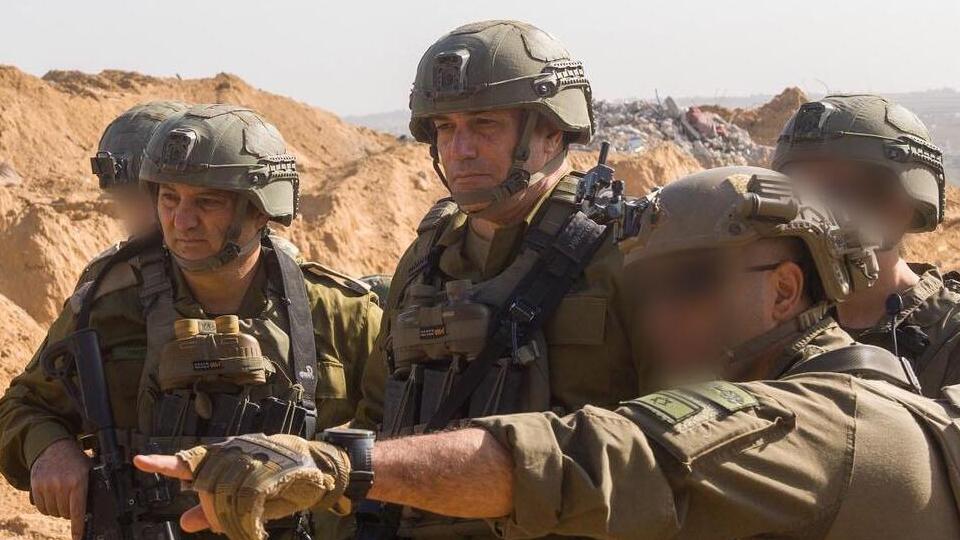
IDF Chief of Staff Eyal Zamir
(Photo: IDF)
Under the Trump plan, Israel is expected to withdraw from the Yellow Line during Phase II, allowing an international force to assume control.
During a tour of northern Gaza, Zamir said the IDF “will not allow Hamas to reestablish itself,” adding that troops are working to eliminate threats across all arenas and preparing for potential surprise-attack scenarios as part of the IDF’s next multi-year plan.