


After a surprise wave of heavy strikes launched Wednesday by the IDF against Hezbollah’s mid-level field commanders, the number of terrorists killed since the start of Operation Roaring Lion has surpassed 1,500, a senior security official said. But Israel is not stopping there.
IDF forces are now encircling the town of Bint Jbeil in southern Lebanon. Troops, who began the operation overnight, caught dozens of Hezbollah terrorists who had taken refuge in the town by surprise. Some attempted to flee as Israeli forces closed in and were killed while escaping. Others remain barricaded inside, as IDF units move slowly and cautiously to locate them and clear the town of Hezbollah presence.
Strike hits multiple areas in Beirut


The operation in Bint Jbeil carries strong symbolic weight. The Shiite Lebanese town, located about 4 kilometers from the Israeli border, is the largest of its kind in the area and was the site where Hezbollah leader Hassan Nasrallah delivered his well-known speech in the 1990s comparing Israeli society to a “spider’s web.”
The encirclement battle is still ongoing. Both operations, the Operation Eternal Darkness strike and the Bint Jbeil encirclement, were based on intelligence gathered and plans developed in recent weeks by Military Intelligence and Northern Command, with the understanding that the IDF could operate in Lebanon even during a ceasefire with Iran.
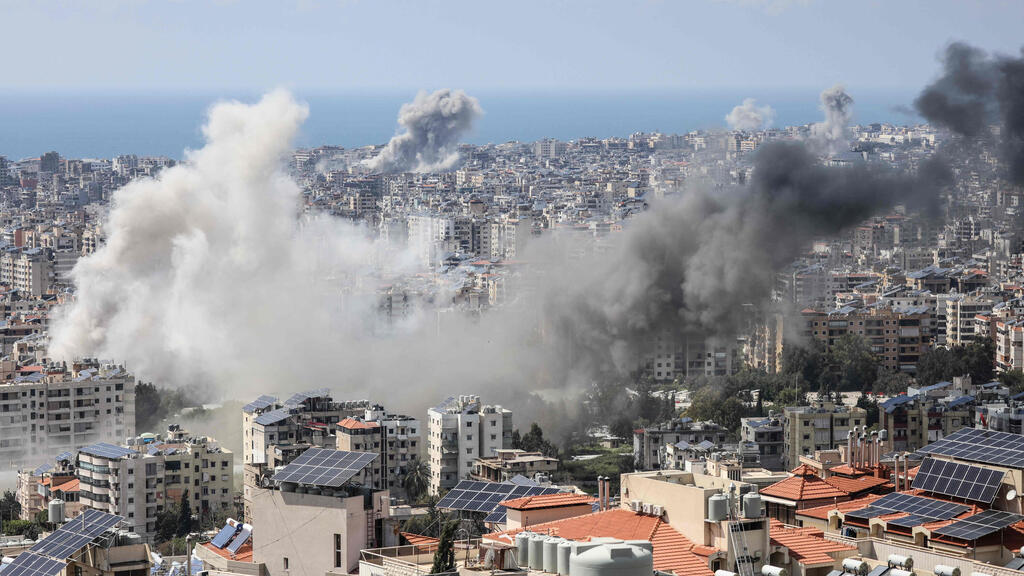
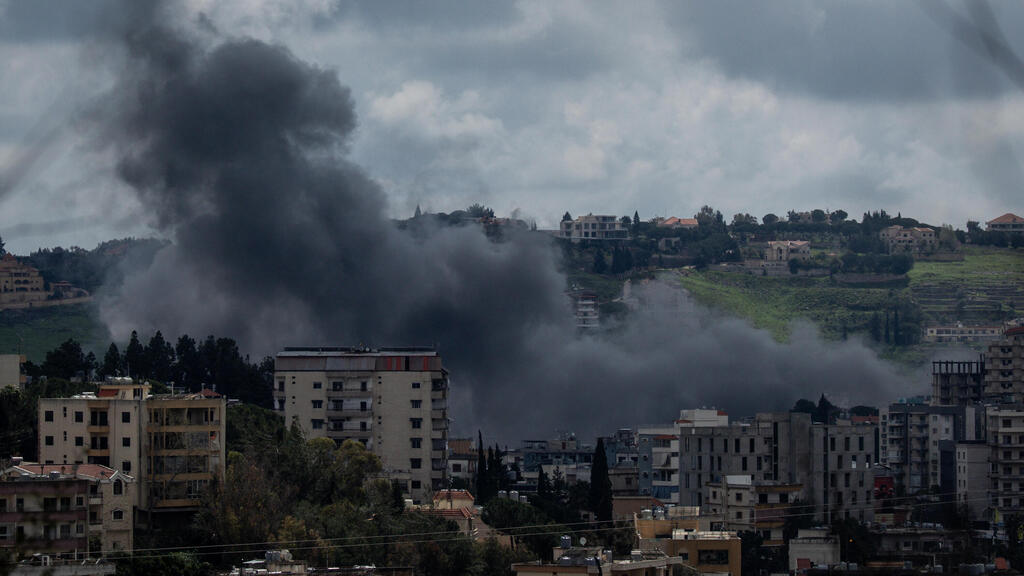
(Photo: Chris McGrath/ Getty Images)
The senior security official noted that despite repeated Iranian demands to include Lebanon in the ceasefire agreement with the United States, a decision was reached by political leaders in Washington and Jerusalem to separate the two arenas. Pakistan’s prime minister, who mediated the ceasefire, stated that Lebanon was included as Iran had requested. However, in Washington, President Donald Trump and his aides clarified that Israel remains free to continue fighting in Lebanon despite the ceasefire.
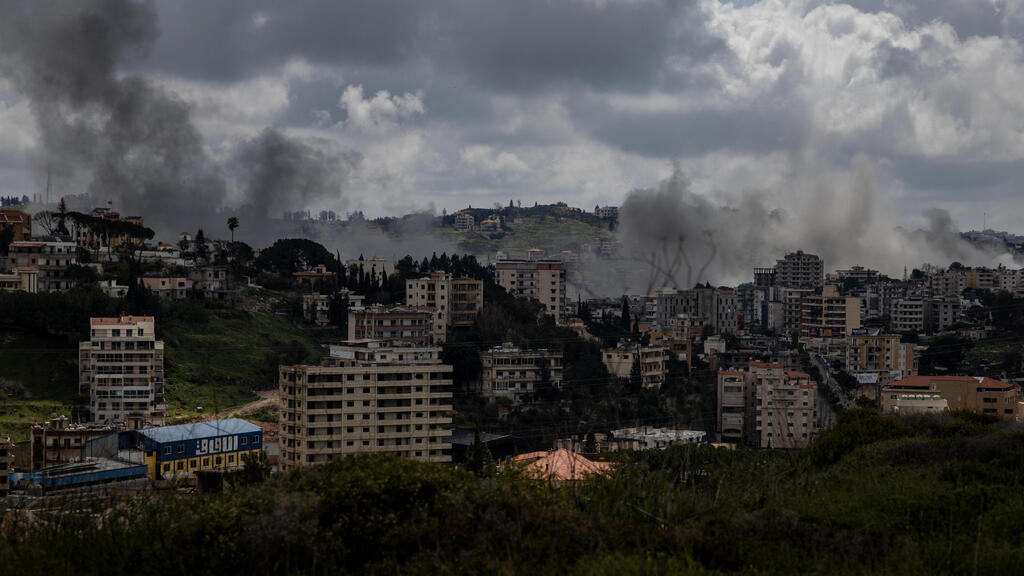
(Photo: Chris McGrath/ Getty Images)
Iran continues to insist that Lebanon is part of the agreement. Security officials say this likely follows pressure from Hezbollah on Tehran not to abandon it to face Israel alone after Hezbollah had previously assisted Iran. Iranian officials, including Islamic Revolutionary Guard Corps Aerospace Force commander Amir Ali Hajizadeh Mousavi, have threatened to strike Israel and close the Strait of Hormuz in retaliation for IDF operations in southern Lebanon and as a deterrent against further action.
The IDF assesses that Iran seeks to preserve the ceasefire and will likely limit its response to extending the closure of the Strait of Hormuz rather than launching direct attacks on Israel. Israeli officials have also formed a new assessment that civilian leadership figures who remain in power, rather than senior IRGC commanders, are now more dominant in Tehran. Among them are the parliament speaker and former IRGC commander Mohammad Bagher Ghalibaf, alongside President Masoud Pezeshkian and Foreign Minister Abbas Araghchi, whose standing has recently strengthened.