

When people hear the term “child at risk,” many still picture the same outdated image: a child from a family known to welfare services, living in severe neglect or on the margins of society. But the reality in 2026 is entirely different.
Today’s children at risk can live in any neighborhood, attend any school, and come from virtually any social or economic background. Some are children whose parents have spent hundreds of days serving in military reserve duty, forcing them to cope with prolonged parental absence, anxiety, uncertainty and emotional strain. Others experienced the events of October 7 and the wars that followed—evacuated from their homes, grieving the loss of loved ones, or living for months under the constant threat of violence. And many are not directly affected by war at all, but by social exclusion, bullying, cyber violence, loneliness, anxiety, adjustment difficulties or family crises that quietly shake the foundations of their lives.
These are not always struggles that can be seen from the outside.
Gallery
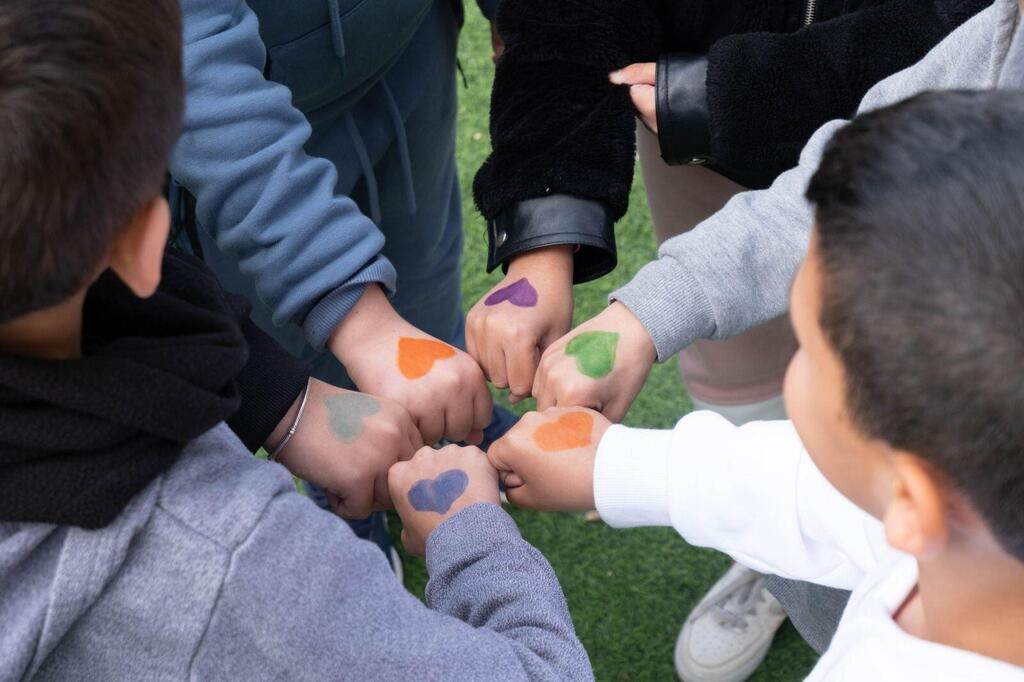
Today’s children at risk can live in any neighborhood, attend any school, and come from virtually any social or economic background
(Photo: Courtesy)
That understanding is the foundation of Youth Futures, a program operating in approximately 60 local authorities across Israel. The initiative is built on the belief that risk does not begin only after every system has already failed a child—it begins much earlier, when a child starts losing their sense of belonging, security or belief in themselves.
Today, approximately 400 specially trained personnel—known as Mentors—provide continuous support to children for three consecutive years. Each Mentor builds a personalized support network around every child. Unlike short-term interventions that focus solely on academic or emotional challenges, the Mentor develops a deep understanding of the child’s entire world. They maintain ongoing relationships with parents, teachers, social workers, therapists and, when relevant, sports coaches or other significant adults in the child’s life. The goal is to create one coordinated, continuous support system that enables the child to thrive while preventing further deterioration.
“Very often, I discover that the reason a child appears ‘uncooperative’ actually begins somewhere entirely different,” says Hava, one of the Mentors working in northern Israel. “Before offering solutions, you first have to understand the whole picture.”
According to Hava, some of the children most in need of support are almost invisible.
“These are the children who don’t disrupt class, so they often go unnoticed,” she explains. “They sit quietly, never ask for help, and never tell anyone what they’re going through. Those are exactly the children we need to know how to identify.”
She emphasizes that the work extends far beyond school hours.
“I speak with teachers, the parents, check what’s happening after school, and, if necessary, also with a coach or any other meaningful adult in the child’s life. Only when you connect all the pieces and see the whole picture can you truly help.”
Sometimes the challenges appear small, yet carry enormous emotional weight.
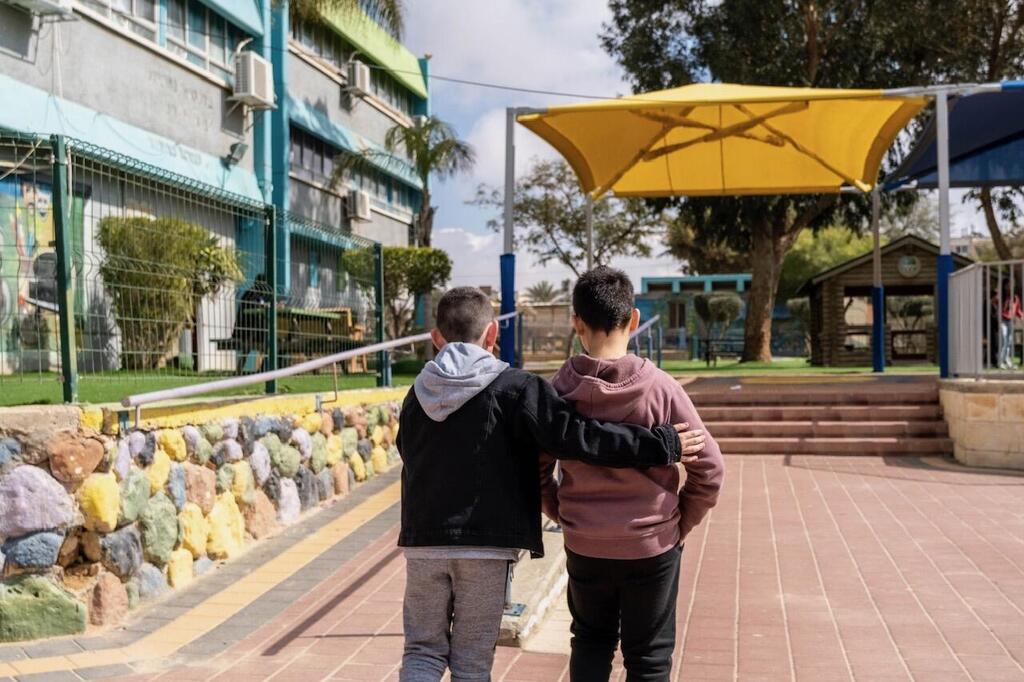
Youth Futures operates in approximately 60 local authorities across Israel
(Photo: Courtesy)
In one case, Hava worked with a family that could not afford extracurricular activities.
“The child was mostly worried about becoming a financial burden on his mother,” she recalls. “Once we found a solution, he didn’t just return to his after-school activity—his entire self-confidence changed.”
One of the most important principles of the program, Hava says, is that Mentors do not replace parents.
“We’re not here instead of them—we’re here to strengthen them. Sometimes all a parent needs is someone to help them organize the chaos, see their child through fresh eyes, and understand what support is available.”
Over the years, Mentors have also accompanied children through some of life’s most devastating tragedies.
Hava recalls a girl she began supporting in elementary school. The family initially struggled to adjust after immigrating to Israel. Later, they suffered an unimaginable loss when the girl’s mother was killed in a car accident.
“From the very beginning, it was clear she couldn’t get through this alone,” Hava says. “The support included emotional care, coordination with the education system, ensuring the family’s basic needs were met, and simply being present. There were moments when there was nothing to say—you just had to be there.”
Years later, that same girl chose a meaningful path of military service and eventually became an officer in the Israel Defense Forces.
“Those are the moments that remind you why this work matters so much,” Hava says.
In southern Israel, Mentors face equally complex realities.
Einav, who works with children in the Merhavim Regional Council, recalls supporting a boy who witnessed the traumatic death of his brother. The tragedy left the family struggling to function, and coordinating every support system around him became essential.
“It meant helping the family access their legal rights, coordinating with welfare services, working closely with the school, supporting the mother, and making sure the child received every service he needed,” she explains. “The goal was to make sure he wouldn’t get lost inside the system.”
According to Einav, success cannot be measured only by academic improvement.
“When a child begins believing in themselves again, finds their place in the classroom, builds friendships, and feels there are adults fighting for them—that’s a transformation that stays with them for life.”
Today, the boy attends a regular classroom and continues to make remarkable progress.
“Our formal involvement may end after three years,” Einav says, “but in many cases, the human connection lasts much longer.”

Today, approximately 400 specially trained personnel—known as Mentors—provide continuous support to children for three consecutive years
(Photo: Courtesy)
Israel’s reality is unlike that of any other country. Out of these unique circumstances, a first-of-its-kind professional model has emerged—one that is now drawing international interest and beginning to be shared with other countries. The model is based on the understanding that meaningful change requires long-term support, a trusted adult who sees the child through comprehensive 360-degree lens, works closely with the family, and coordinates with all the systems surrounding the child.
Youth Futures, a subsidiary of The Jewish Agency for Israel, is funded through a unique public-philanthropic partnership. Approximately 60% of its budget comes from public partners, including the Department for Education of Children and Youth at Risk within the Education Ministry, local authorities, Mifal HaPais (Israel’s National Lottery), and the Ministry for the Development of the Negev and the Galilee. The remaining funding comes from philanthropic donations, enabling the program to continue serving children and families in dozens of communities across Israel.