


As Operation Roaring Lion enters its fourth week, an Israeli official said Sunday that the fall of Iran’s regime is not expected during the current war but could come months afterward.
“At no stage did we think the regime would fall during the war,” the official said. “The assessments were that the regime’s collapse would come several months after the war. No one thought the public could take to the streets while under bombardment.”
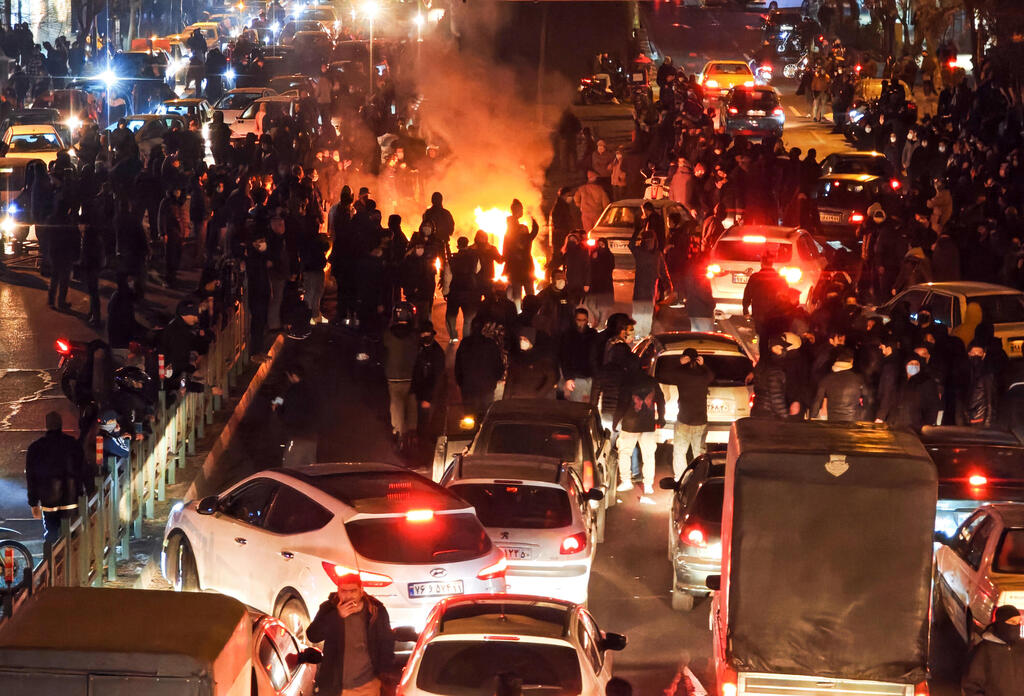
The official said the United States has intensified the pace of its strikes against Iran in recent days. He also said Israel assesses that U.S. President Donald Trump is moving toward taking control of Iran’s Kharg Island oil terminal, describing such a move as a potential “game changer” that could severely damage the regime’s finances.
“It would create extreme economic strangulation,” the official said, adding that Tehran would struggle to pay salaries, potentially triggering internal collapse.
Regarding Mojtaba Khamenei, the official said Israel believes he is alive, but that Iran’s Revolutionary Guard Corps is currently managing affairs.
The official added that Washington is holding exploratory contacts with Tehran regarding a possible agreement. “The Americans are talking with the Iranians about a deal, but it’s all preliminary,” he said. “The Qataris are pushing for an agreement, but Trump is not giving in and wants a surrender deal on his terms.”
Those terms, according to the official, would include the removal of all enriched uranium from Iran and a commitment to dismantle its nuclear program without a deadline.
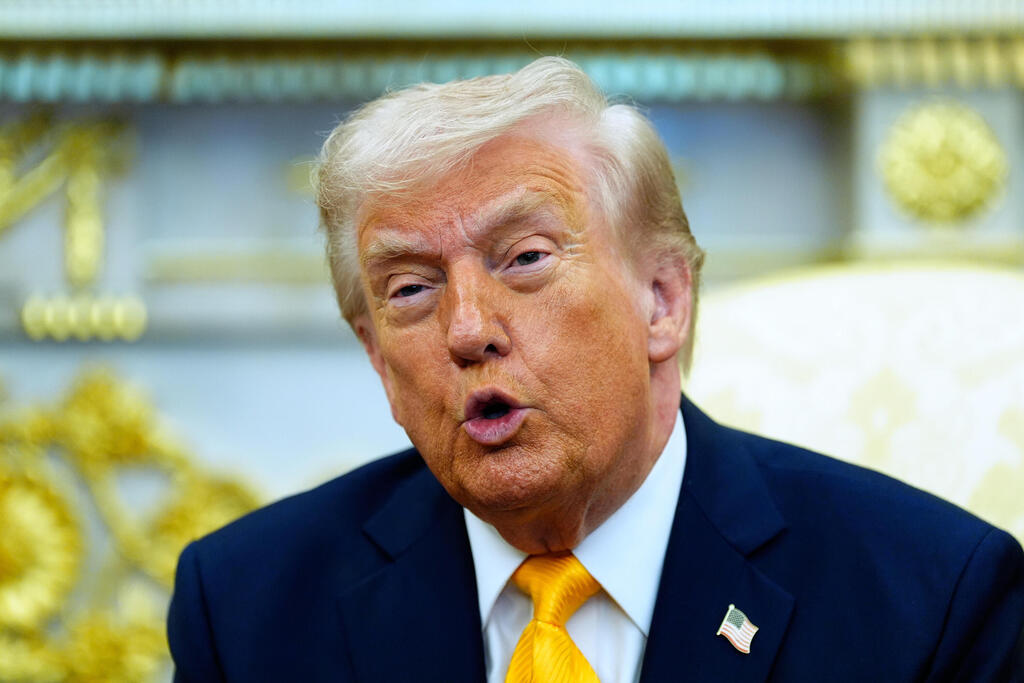
(Photo: AP Photo/Alex Brandon)
Between a surrender agreement and waiting for regime change, the official said Israel prefers the latter. “A new regime would abandon the nuclear program and hand over the enriched uranium,” he said, while acknowledging that the decision ultimately rests with Trump.
Overnight, Trump issued a 48-hour ultimatum to Iran, threatening to “destroy” its power stations if it does not reopen the Strait of Hormuz. Iran’s armed forces responded that if the Islamic Republic’s energy infrastructure is attacked, “all energy infrastructure belonging to the United States in the region will be targeted,” according to Iranian media.
Iran imposed restrictions on shipping through the Strait of Hormuz at the start of the war, effectively controlling traffic through the strategic waterway and driving up global oil and gas prices. Before the conflict, more than 130 vessels passed through the strait daily on average. That number has now dropped to three or four ships per day, according to the Israeli official.