

Thursday marked exactly one year since a ceasefire between Israel and Hezbollah went into effect, ending 14 months of intense fighting along the northern border that had forced tens of thousands of residents to evacuate.
The hostilities culminated in the daring exploding pager operation, the assassination of Hezbollah Secretary-General Hassan Nasrallah and a ground maneuver into southern Lebanon. While some residents have since returned home, the recent escalation—following the killing of Hezbollah's top military commander Haytham Ali Tabatabai—has reignited fears and demands among border communities.
Gallery
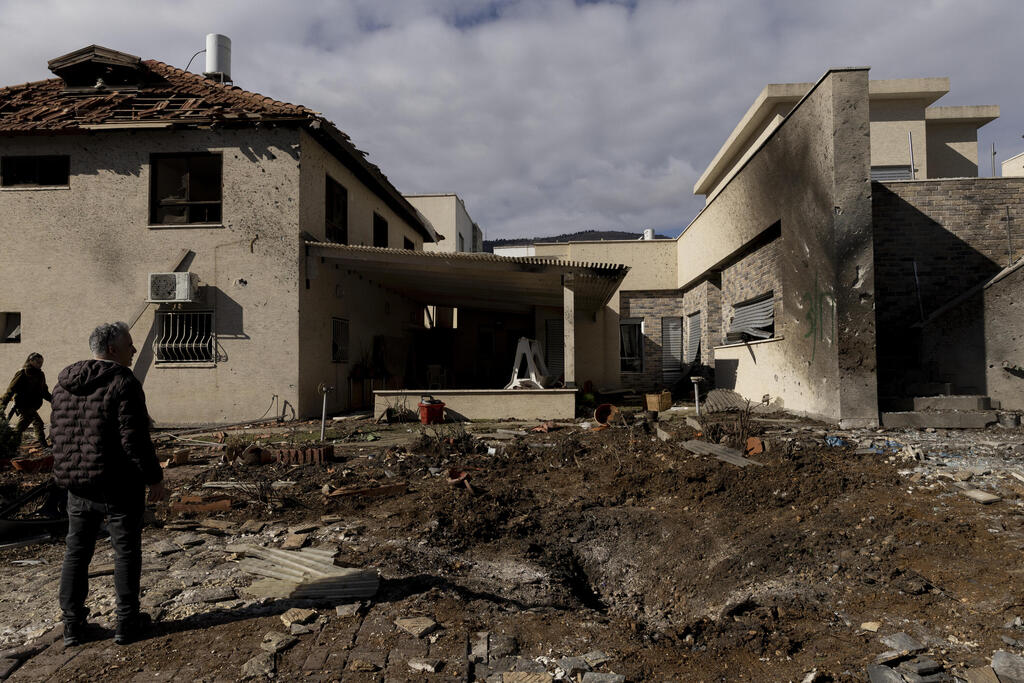
A Kiryat Shmona home damaged by a Hezbollah rocket during the war, November 26, 2024
(Photo: Amir Levy/Getty Images)
Shiran Ohayon, a resident of Kiryat Shmona, spoke with ynet on Thursday, saying her family returned to the city in February after being evacuated a day after the October 7 massacre. But she says they felt pressured to come back. “We were forced to return,” she said.
Ohayon criticized government officials and lawmakers who, she said, continue to promise investment and reconstruction in the north—but fail to deliver. “Just this week, only one Knesset member showed up to a discussion on the education crisis in the north,” she noted.
“Where does it stop? Where?” Ohayon asked, referring to government pledges to rebuild. “I hear about plans for two years from now, ten years from now. But where are you today? Where is our economic engine? Since Hezbollah’s chief of staff was eliminated, this whole region has been dead. Dead for business. We went from 100 to zero—and even before that, we weren’t at 100.”
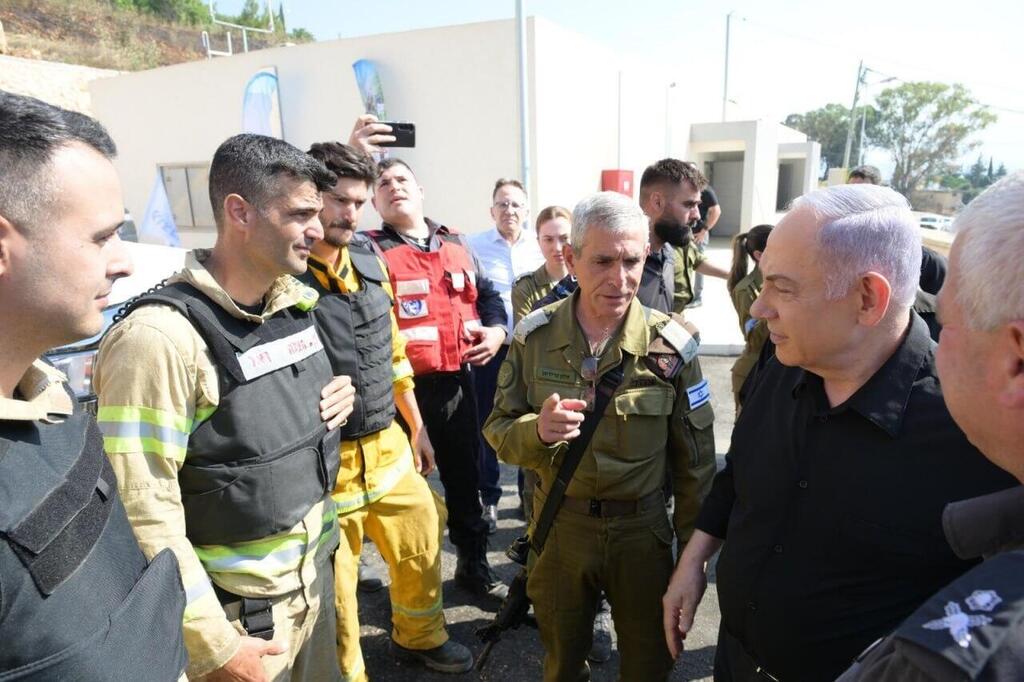
Prime Minister Benjamin Netanyahu visits Kiryat Shmona, March 11, 2025
(Photo: GPO)
Describing the situation on the ground, she said, “This is the most beautiful region in the country—and we’re here for a reason. But we can’t stay here at any cost. They gave us NIS 15,000 per person in ‘return grants’ and said, ‘Now deal with it.’ The city isn’t ready for us. Not then, not now. In every aspect. This will become a national problem.”
“The tanks left, but the potholes stayed. The city is still wrecked. In terms of education, they closed a school and kindergartens. We don’t even have an emergency call center here. This is a border city, a district capital, a city that gives—and we have nothing. Two ambulances for 70,000 people. No personnel. Recruiting teachers and doctors? That’s a national mission.”
Ohayon had a message for Israel’s political leadership: “Kiryat Shmona is seen as a right-wing stronghold, one of the most right-wing cities there is. But we, the young right-wing generation, will not vote for this government—and this is an election year. Don’t think for a second our votes are guaranteed just because we’ve always voted Likud. We’re not our parents’ generation. We’re not being led to the ballot box. We want results now. If we don’t get them, they’ll see it in the polls.”
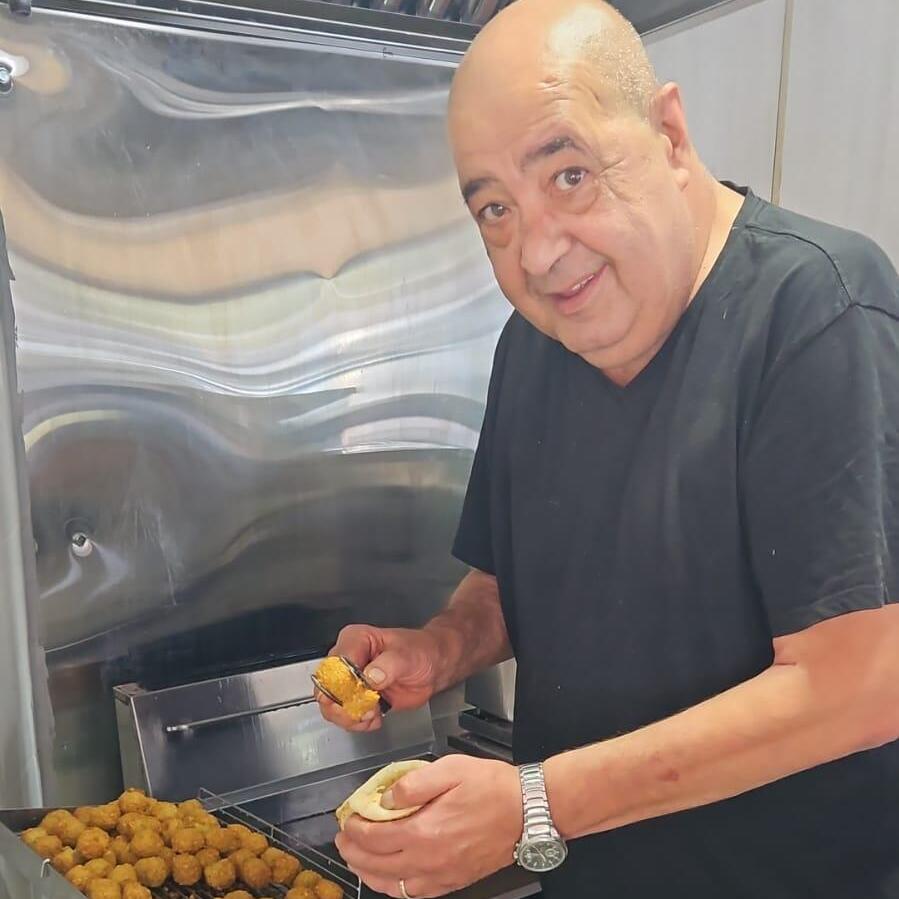
Shimon Amar
Shimon Amar, a resident of Kiryat Shmona and owner of Falafel Amar, echoed Ohayon’s frustration, saying: “Every word Shiran said is etched in stone. I want to see the Israeli government here, like they were in Sderot. What they gave Sderot—we should receive double. There are good people here, a strong north. Please, don’t give up on this region.”
Speaking with ynet, Amar shared: “After a month and a half in Tel Aviv, I couldn’t take it anymore. I decided to come home and open my shop for three hours a day, serving soldiers for free. It brought me joy. It’s very hard, but I couldn’t bear being away. My wife was out of town the entire time and only returned at the end of February.”
Amar said he does not believe the government has abandoned the north: “I believe the prime minister cares about this region. He can come here with his ministers and look after Kiryat Shmona. It’s a shame. This is an amazing place with amazing people. It hurts—15 families have already left my neighborhood. We’re short 8,000 residents. This was a flourishing city before the war. I appeal to the prime minister: come to Kiryat Shmona with your ministers. Let’s grow this city, bring people and factories here. That’s the only thing that will help.”
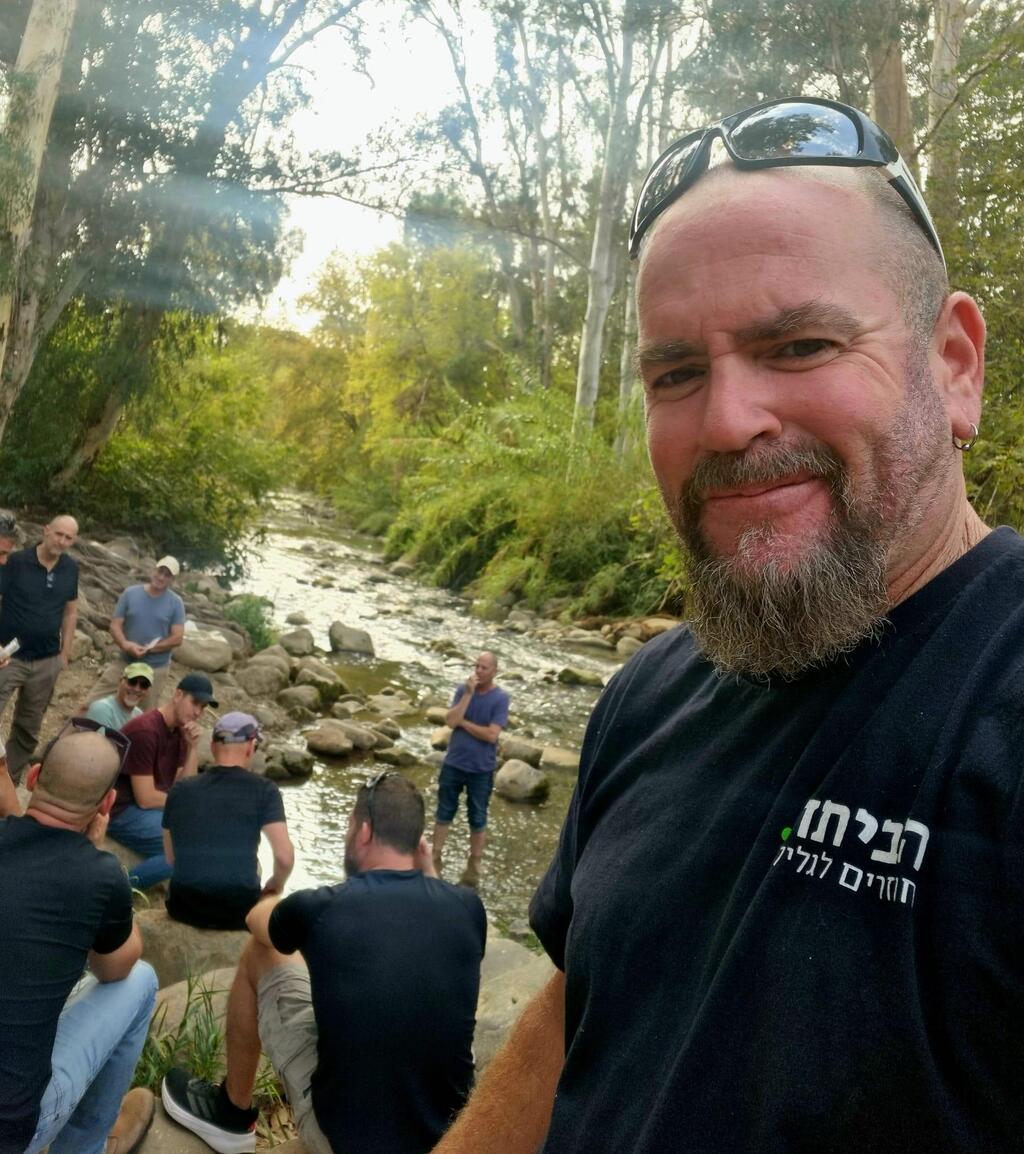
Lior Shelef
Lior Shelef, a resident of Kibbutz Snir and a tour guide with the company Shelef's Trail, said his wife and three children were evacuated at the start of the war, while he stayed behind to defend the kibbutz as part of its alert squad.
“We’re proud and determined to protect our home—and to show the beauty of this country,” he said. “Everything that happens affects our daily life here. People are determined not just to bring everyone home but to resettle the north—not as it was before, but even stronger.”
Shelef praised the IDF’s operations in southern Lebanon and urged the public not to fear the north. “We haven’t just moved here—we’ve lived on the Lebanon border for years. This is our land, and we know the reality. The IDF is doing excellent work in Lebanon to ensure we can live here in peace. It’s a night-and-day difference. One of the biggest misconceptions is that when people hear ‘tensions on the Lebanese border,’ they imagine Hezbollah sitting with weapons on the fence. I’m telling you—it’s quiet and safe here. Get in your car and come visit the north. We have a beautiful country.”