


The government’s unprecedented declaration that it would not honor a High Court of Justice ruling on the Second Authority council may not remain an isolated incident. At least 10 pending petitions on explosive public issues are now before the court, and future rulings in those cases could once again test the separation of powers, the rule of law and Israel’s basic governing order.
The latest confrontation began after the High Court ordered the Second Authority for Television and Radio council to continue operating with a partial composition, even though the government says the law prevents it from doing so. The ruling was issued against the backdrop of the justices’ suspicion that council members had resigned deliberately in order to thwart the legal proceedings and paralyze the council’s work.
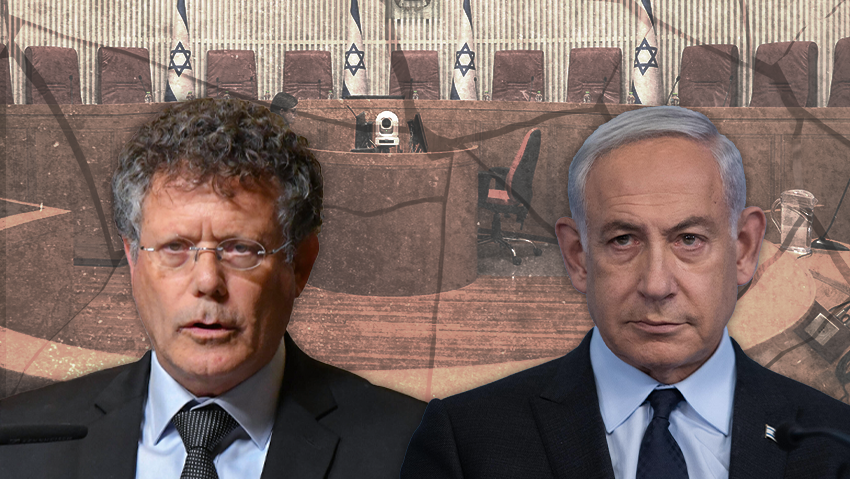
The decision sparked a government revolt and an unprecedented announcement that it would not respect the ruling. The question now is whether this was a one-time exceptional event or the beginning of a broader normalization of ignoring High Court decisions.
Six laws passed by the Knesset are currently being challenged in petitions seeking to strike them down. One of the most dramatic is the amendment to Basic Law: The Judiciary, which changes the composition of the Judicial Selection Committee. During a recent hearing, most of the justices signaled that they were considering intervention in the Basic Law. Supreme Court President Yitzhak Amit criticized the law, saying it injects a political “virus” into the system.
Another law tied to the justice system is the amendment to the Israel Bar Association Law, which cancels mandatory payments by lawyers to the association and changes its financial powers by transferring budgetary control to the districts, thereby weakening the head of the association.
Several other laws under High Court review concern security matters. They include a law ending UNRWA activity inside Israel, a law revoking allowances from parents of minor terrorists, a measure already struck down by the High Court in the past, a law barring the employment of teachers with degrees from teaching institutions in the Palestinian Authority and the controversial Al Jazeera law.
The High Court has refrained from issuing an interim order against the Al Jazeera law, meaning it is already being implemented. With district court approval, Israel is acting to block broadcasts and impose sanctions on international media outlets that security officials determine harm state security.
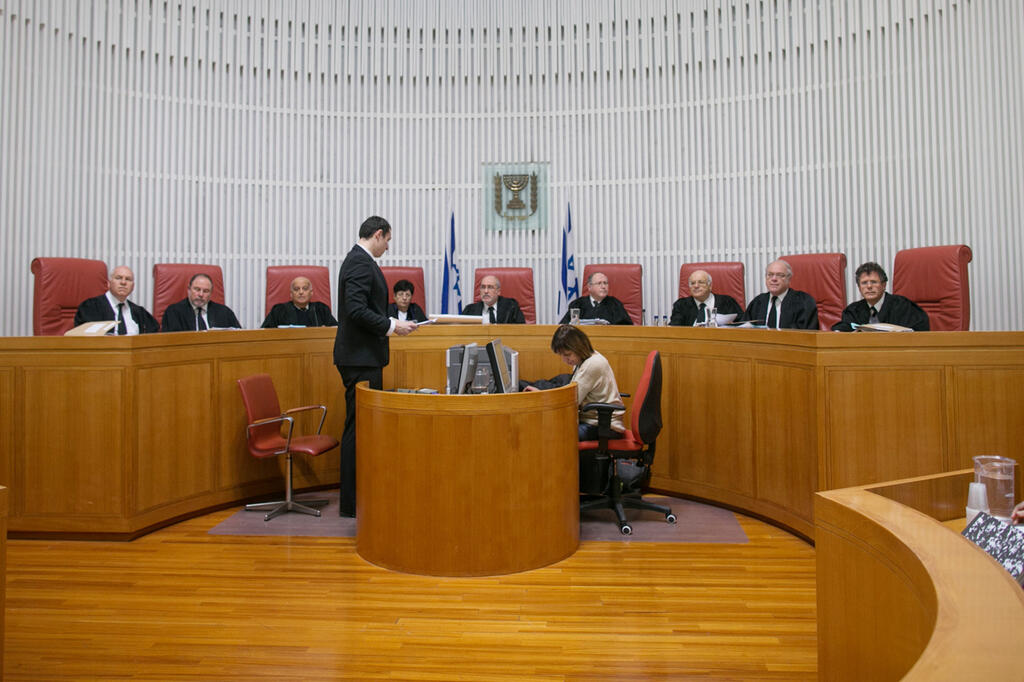
(Photo: Ohad Zwigenberg)
But legislation is not the only area now before the High Court. At least four dramatic petitions challenge government or ministerial decisions.
The first is the petition demanding the establishment of a state commission of inquiry into the failures surrounding the October 7 massacre. During the hearing, the justices already signaled that they were considering intervention, though it remains unclear whether they would order the government to establish a state commission of inquiry under the law or allow another type of inquiry committee. On Monday night, the Knesset advanced in a first reading a bill to establish a political inquiry committee into the massacre.
Other pending cases concern government decisions on media and journalism, including the closure of Army Radio and the decision to halt government advertising in Haaretz following remarks by the newspaper’s publisher, Amos Schocken.
Another dramatic proceeding concerns petitions seeking the dismissal of National Security Minister Itamar Ben-Gvir. The petitions, supported by the attorney general, seek to expand the Deri-Pinhasi precedent, which required a prime minister to dismiss a minister who has been indicted. In Ben-Gvir’s case, the petitioners are asking the court to require dismissal based on an accumulation of administrative or legal violations determined by the attorney general, even without an indictment.
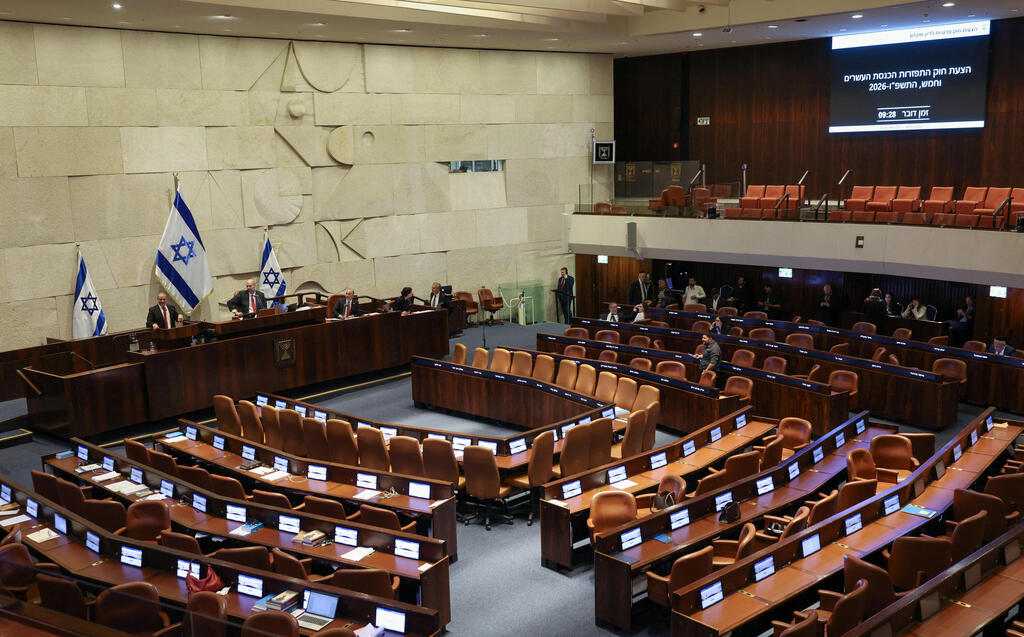
Knesset Plenum
(Photo: REUTERS/Ronen Zvulun)
The expected dissolution of the Knesset in about 10 days could create fertile ground for additional disputes between the government, the legal advisers and the High Court. Once the Knesset is dissolved, the government becomes a transitional government under High Court precedent. It may continue advancing processes or decisions made before elections were called, but it is barred from making new decisions, especially those that could bind the next government.
In the past, the Attorney General’s Office and ministry legal advisers have issued dozens of decisions blocking ministerial or government actions because of the restraint required of a transitional government.
Some of those cases have reached the High Court, which may again be required during the coming election period to rule quickly on petitions challenging the conduct of the transitional government. Since the election period lasts only three months, there is a risk that by the time a ruling is issued, a new government may already have been formed.
Legal opinions and High Court rulings on the limits of a transitional government could therefore become another source of constitutional confrontation. After the Second Authority clash, the next test may not be far away.