


Sirens sounded twice overnight between Friday and Saturday in Riyadh, the capital of Saudi Arabia, for the first time since the dramatic advance by Yemen’s Houthi rebels and their takeover of a stretch of coastline that has effectively given them control of the strategic Bab el-Mandeb Strait. Saudi Civil Defense later said the danger had passed. No damage or casualties were reported. Arab media reported explosions across the capital.
The alerts heard in Riyadh were also activated in the nearby Al-Kharj region. The first siren sounded at around 3 a.m. local time and the second at about 5:20 a.m. Shortly before 1 a.m., sirens were heard in the Farasan region. On Friday evening, waves of alerts sounded in several other areas, including Yanbu, Taif, Jeddah, Khamis Mushait, AlUla, Jazan and Abha.
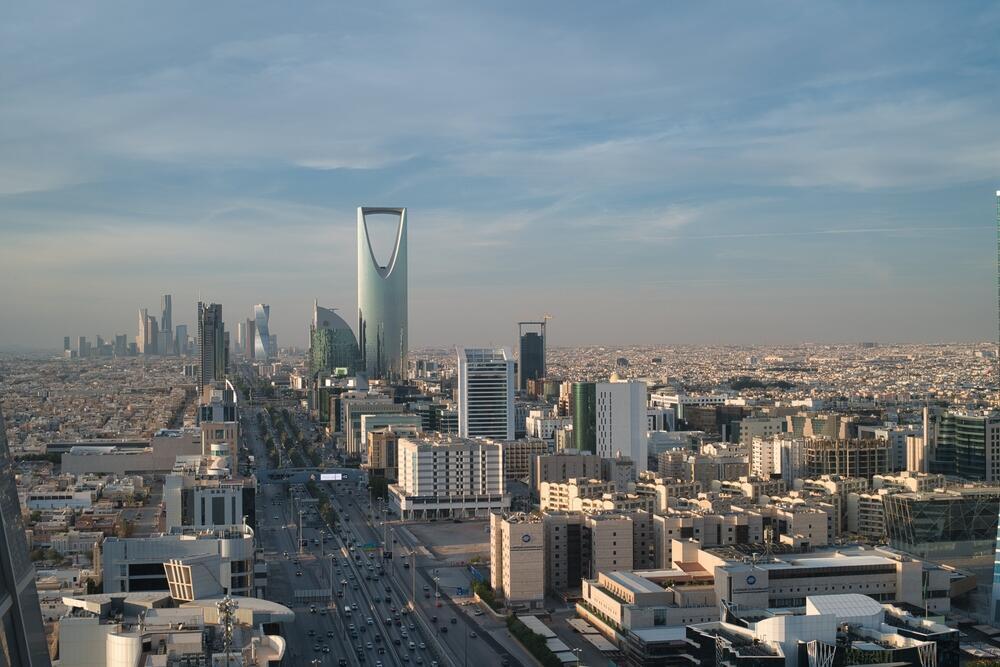
Yanbu, on the Red Sea coast, is home to a major oil export terminal that Saudi Arabia uses to ship crude abroad while bypassing the Strait of Hormuz, where tanker traffic remains sparse amid the continuing confrontation between the United States and Iran.
Last week, Saudi Arabia’s East-West oil pipeline, which feeds the Yanbu terminal, was attacked and taken out of service. Pro-Iranian militias in Iraq continue to deny involvement in the attack, while U.S. President Donald Trump has blamed Iran directly.
Saudi Arabia has meanwhile found a partial workaround. Reuters reported that it is transferring oil between ships off the port of Sohar in Oman.
Qatar-based Al-Araby Al-Jadeed reported Saturday morning that “clashes between the Houthis and Saudi Arabia have intensified on several fronts, alongside airstrikes and rapid changes in territorial control, particularly along the western coast and in areas surrounding the Bab el-Mandeb Strait.”
The report said the Houthis claimed Saudi warplanes had stepped up attacks on areas under their control. It also said the humanitarian consequences of the fighting were worsening, with more than 112,000 people displaced since the beginning of the month and emergency medical aid arriving in Sanaa to address shortages.
Houthi military spokesman Yahya Saree said Friday that over the previous 24 hours, “Saudi warplanes, particularly F-15s that took off from Khamis Mushait Air Base, carried out 26 airstrikes in Taiz province.”
Khamis Mushait was among the places where sirens sounded overnight. Saree also claimed that Saudi Arabia had carried out about 300 strikes in Yemen since the beginning of the week.
Interceptor stocks running low, US met with Houthis
Amid the continuing fighting between Saudi Arabia and the Houthis, The Associated Press reported this week that Saudi Arabia’s stockpile of interceptor missiles is running low and that Riyadh has appealed to Western and regional allies for help.
According to the report, Saudi Arabia asked France, Britain, Pakistan and Egypt to send air defense assistance to the region so it could intercept missiles and drones launched toward the kingdom by the Houthis or other Iranian-backed militias.
The United States is Saudi Arabia’s main supplier of interceptor missiles, but the report said U.S. inventories had also been depleted in recent months because of the war with Iran, prompting Riyadh to seek help from other allies.
The Houthi takeover of the strategic Red Sea coastline, which gives the group control over the Bab el-Mandeb Strait, continues to raise concern internationally and across the Middle East. The Houthis seized the area in an offensive that defeated forces belonging to Yemen’s Saudi-backed government.
Reuters reported Wednesday that U.S. officials met Houthi representatives in Oman earlier in the week. According to the report, the Houthis told the United States that they intended to refrain from attacking American vessels in the critical Bab el-Mandeb Strait, which they now effectively control.
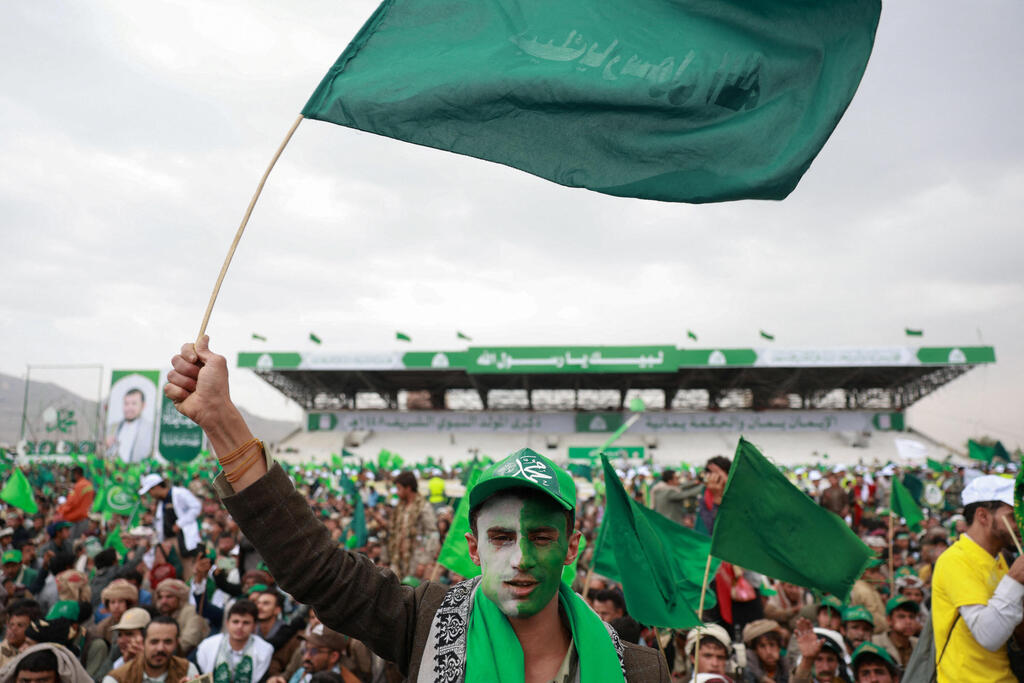
A pro-Houthi rally in Sanaa last month
(Photo: Khaled Abdullah/Reuters)
Reuters said the meeting, which was not publicly disclosed but was confirmed by three sources, took place Sunday at the U.S. Embassy in Muscat, Oman.
The Houthis told U.S. officials they remained committed to the ceasefire reached with Washington in 2025 and therefore did not intend to attack American ships.
One source, a Yemeni official, told Reuters that militia representatives also said they would not attack Israeli vessels or other commercial shipping, except for ships belonging to Saudi Arabia.
Riyadh said the Houthis this week launched a drone toward the Saudi city of Mecca for the first time in the current round of fighting. Mecca is Islam’s holiest city and home to the Kaaba, one of the religion’s most sacred sites, drawing millions of Muslim pilgrims each year.
Saudi Arabia said it intercepted the drone but described the launch toward Mecca, about 1,100 kilometers from the Yemeni border, as the crossing of a “red line.”
The Houthis denied launching a drone toward Mecca. The last apparent attempt to target the city came in 2017, when a ballistic missile was fired in its direction.
The Houthis strongly reject the Saudi accusation, and demonstrations were held in Yemen on Friday against Saudi Arabia over the allegation.