

According to a Reuters report citing several sources familiar with the matter, Saudi Arabia has launched a new method for transporting oil amid the crisis in the Strait of Hormuz, the Houthi advance that has enabled the group to effectively control the Bab el-Mandeb Strait and the attack on the East-West oil pipeline, which bypasses the Strait of Hormuz.
The sources said the Saudis are now transferring crude oil between ships off the port of Sohar in Oman, from where it is transported to refineries in Asia. Oil prices have fallen since the report was published Wednesday.
The Houthis enter the city of Al-Mokha chanting 'Death to America, death to Israel,' last week


As of 6:12 p.m. Israel time, Brent crude futures were down $2.92, or 2.7%, at $105.83 a barrel. U.S. West Texas Intermediate crude futures fell $3.32, or 3.1%, to $102.51. A smaller-than-expected decline in U.S. crude inventories also contributed to the drop in prices.
However, the Financial Times reported that oil prices in China reached an all-time high during the day because of the situation in the Middle East, with Shanghai crude futures trading at $129 a barrel, above the previous record of $121.80 set during the first weeks of the war in Iran.
Oil prices had risen by more than $3 in the previous trading session after shipping industry sources said crude loadings at Saudi Arabia’s export hub at the Red Sea port of Yanbu had been suspended and Riyadh had canceled some oil shipments to European customers.
The suspension followed attacks on the East-West pipeline, which had served as a Saudi route around the Strait of Hormuz and supplied the port of Yanbu. Pro-Iranian militias in Iraq continue to deny involvement in the major attack, while U.S. President Donald Trump has directly blamed Iran.
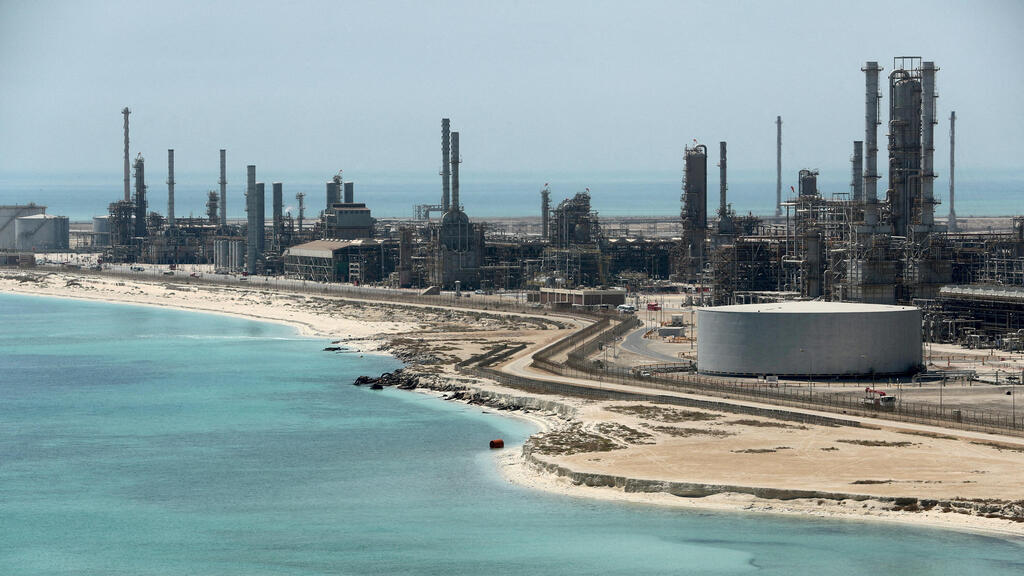
Meanwhile, as fighting between Saudi Arabia and the Houthis continues, The Associated Press reported that Saudi Arabia’s stockpile of interceptor missiles is running low and that Riyadh has turned to allies in the West and the region for help.
According to the report, Saudi Arabia has asked France, Britain, Pakistan and Egypt to send air defense assistance to the region to help intercept missiles and drones launched at the kingdom by the Houthis or other Iran-backed militias. The United States is Saudi Arabia’s main supplier of interceptor missiles, but the report said dwindling U.S. stocks in recent months prompted Riyadh to seek help from other allies.
The Houthi seizure of a strategic stretch of Red Sea coastline, giving the group control of the Bab el-Mandeb Strait after it defeated forces of Yemen’s Saudi-backed government, continues to raise concern around the world and particularly in the Middle East.
Reuters reported Wednesday that U.S. officials met with representatives of the Yemeni rebels in Oman earlier this week. According to the report, the Houthis told the United States at the meeting that they intended to refrain from attacking U.S. vessels in the strategically vital Bab el-Mandeb Strait, which they now effectively control.
Reuters said the meeting, which was not publicly disclosed but was confirmed by three sources, took place Sunday at the U.S. Embassy in Muscat, the Omani capital. The Houthis told U.S. officials that they remained committed to the ceasefire agreed with the United States in 2025 and therefore had no intention of attacking American vessels.
One of the sources, a Yemeni official, also told Reuters that Houthi representatives said they would not attack Israeli ships or any other commercial vessels, except those belonging to Saudi Arabia.
Riyadh said that on Tuesday, for the first time in the current round of fighting, the Houthis launched a drone toward the Saudi city of Mecca, Islam’s holiest city. Mecca is home to the Kaaba, Islam’s holiest shrine, and millions of Muslims make pilgrimages to the city every year.
Saudi Arabia said it intercepted the drone, but later declared that firing toward Mecca, about 1,100 kilometers, or 680 miles, from the Yemeni border, constituted “crossing a red line.” The Houthis denied launching a drone toward Mecca. Their last apparent attempt to attack the city came in 2017, when they launched a ballistic missile in its direction.
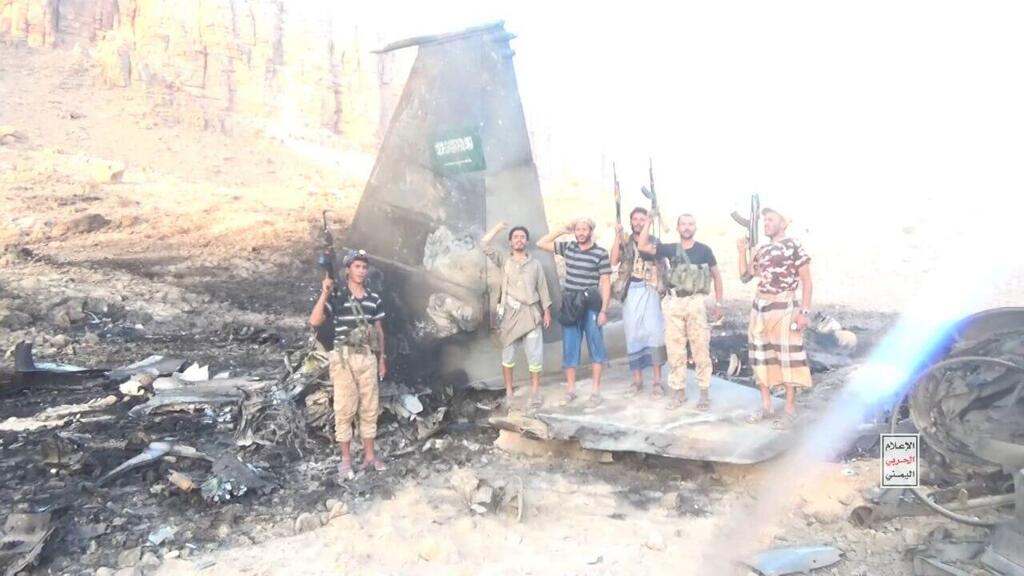
Houthis beside the Saudi drone they allegedly shot down
Meanwhile, on Wednesday morning, the Houthis claimed they had shot down an F-15 fighter jet belonging to the Saudi-led coalition over Yemen’s central Marib province. They provided no evidence and did not say when the alleged downing occurred. The Houthis also claimed to have shot down a reconnaissance drone, this time releasing an image to support their claim.
“Of all Iran’s allies in the region, the Houthis are the most committed, the most ideologically pure and the most aggressive,” Michael Knights, who has written extensively about the Yemeni rebels and now heads research at New York-based strategic consultancy Horizon Engage, told The Associated Press.
“They’ve been developed by the Iranians in a fast-track way. Things that took the Lebanese Hezbollah 20 years to develop, the Houthis have developed in five.”
The Houthis seized Yemen’s capital, Sanaa, in 2014 and have been fighting a coalition led by neighboring Saudi Arabia for more than a decade. More than 100,000 people have been killed in Yemen in the war, while Saudi Arabia has faced intense international criticism over the bombing campaign it conducted there.
The war subsided in recent years following the declaration of a ceasefire, but fighting resumed in July when the Houthis announced a blockade on Saudi shipping in the Red Sea in response to a Saudi blockade of Yemeni ports.
The current wave of attacks on Saudi Arabia has left the kingdom without a secure outlet for its crude oil, in part after pro-Iranian militias in Iraq struck one of its most important oil pipelines. Now, however, Riyadh appears to have found at least a partial solution to the crisis.