

The killing of Raad Saad, Hamas’s second-in-command, has further thinned the top ranks of the terrorist group’s military leadership in the Gaza Strip, leaving Izz al-Din Haddad as the most senior known commander still operating in the enclave, according to Israeli security officials.
Saad, who had survived several previous assassination attempts, was killed Saturday when an Israeli strike hit his vehicle as he was traveling in Gaza. Israeli officials have described him as one of the key architects of the Oct. 7 massacre and a central figure in Hamas’s efforts to rebuild its military capabilities during the war.
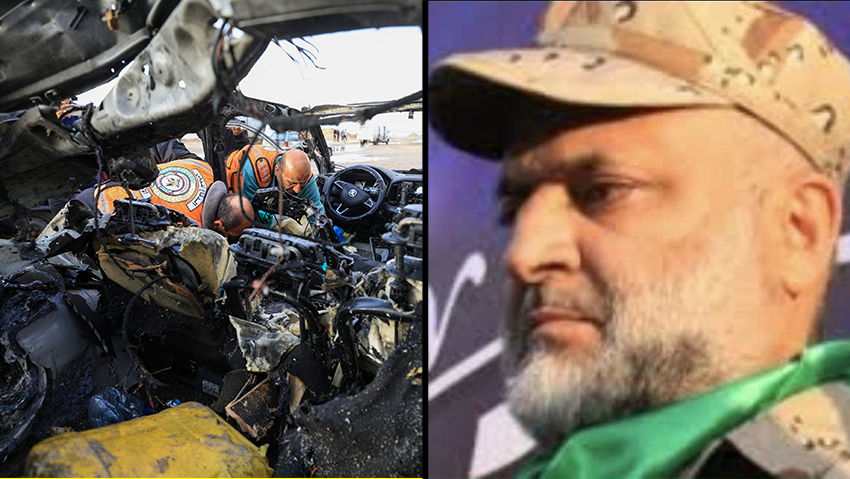
With Saad’s death, Haddad — the head of Hamas’s military wing — is now believed to be the last remaining figure from the organization’s senior terrorist leadership still active in Gaza, based on current intelligence assessments.
Haddad, 55, is considered part of Hamas’s veteran guard and has long been one of the most prominent terrorist commanders in the Izz al-Din al-Qassam Brigades. He previously commanded Hamas’s Gaza City Brigade and assumed leadership of the military wing after the killing of Mohammed Sinwar. Israeli officials say Haddad has survived at least six assassination attempts and earned the nickname “the ghost of Hamas.”
According to Israeli assessments, Haddad speaks Hebrew and was directly involved in holding hostages in northern Gaza during the war, including Israeli observation soldiers who were later released. Former hostage Eitan Mor recently described encounters with Haddad, underscoring his senior role within the terrorist organization.
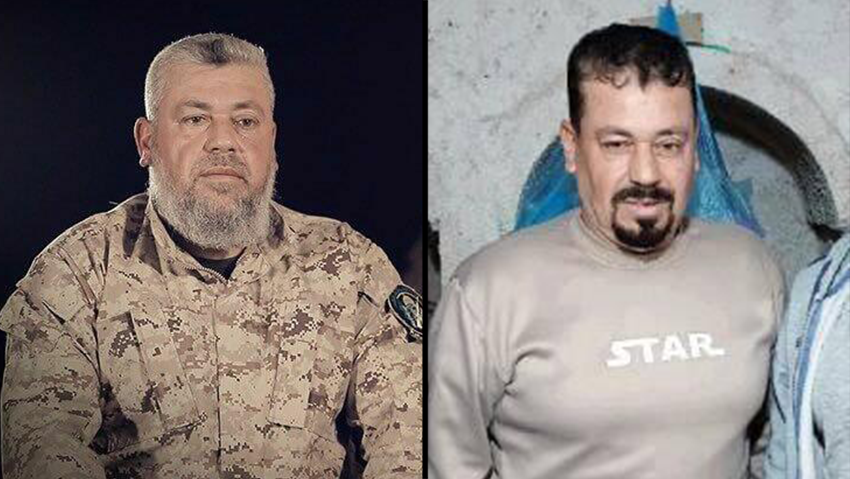
Izz al-Din Haddad
Another senior figure believed to remain alive is Mohammed Odeh, formerly head of Hamas’s military intelligence. The Israel Defense Forces first publicly identified Odeh in September, releasing a photo showing him alongside Mohammed Deif, former Rafah Brigade commander Rafa’a Salameh and Hamas military spokesman Abu Ubaida.
At the time, IDF spokesman Brig. Gen. Effie Defrin said of Odeh, “He remains alive — and we will reach him.”
Saudi newspaper Asharq Al-Awsat reported that Odeh later assumed command of Hamas’s northern Gaza Brigade following the killing of its previous commander, Ahmed Randour, in November 2023. That report has not been independently confirmed. According to the report, Odeh urged Hamas terrorists in northern Gaza and displaced operatives in Gaza City to regroup with Gaza City Brigade forces and continue attacks against Israeli troops.
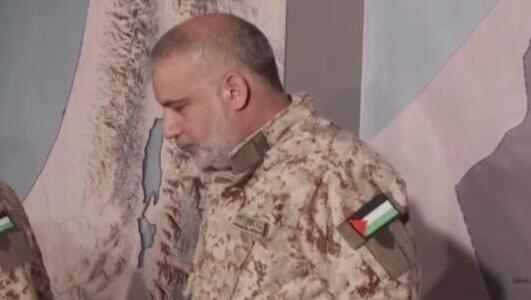
Mohammed Odeh
(Photo: IDF)
At the start of the war, Hamas operated with five regional brigades: northern Gaza, Gaza City, central camps, Khan Younis and Rafah. Israeli officials say all brigade commanders except Haddad have since been killed. It remains unclear whether Hamas has succeeded in restoring that command structure or appointing new brigade commanders. Past reports naming a replacement commander for the Gaza City Brigade have not been verified.
Israeli officials say Hamas still retains battalion-level terrorist commanders and has promoted some senior operatives to those roles. In several cases, the IDF has acknowledged intelligence errors after previously declaring certain battalion commanders dead.
One such case involved Haitham Khawajri, commander of Hamas’s Shati Battalion, whom the IDF said it killed in December 2023. Khawajri later appeared publicly during a Hamas ceremony linked to the release of hostage Keith Siegel earlier this year. The military later acknowledged the intelligence assessment had been incorrect.
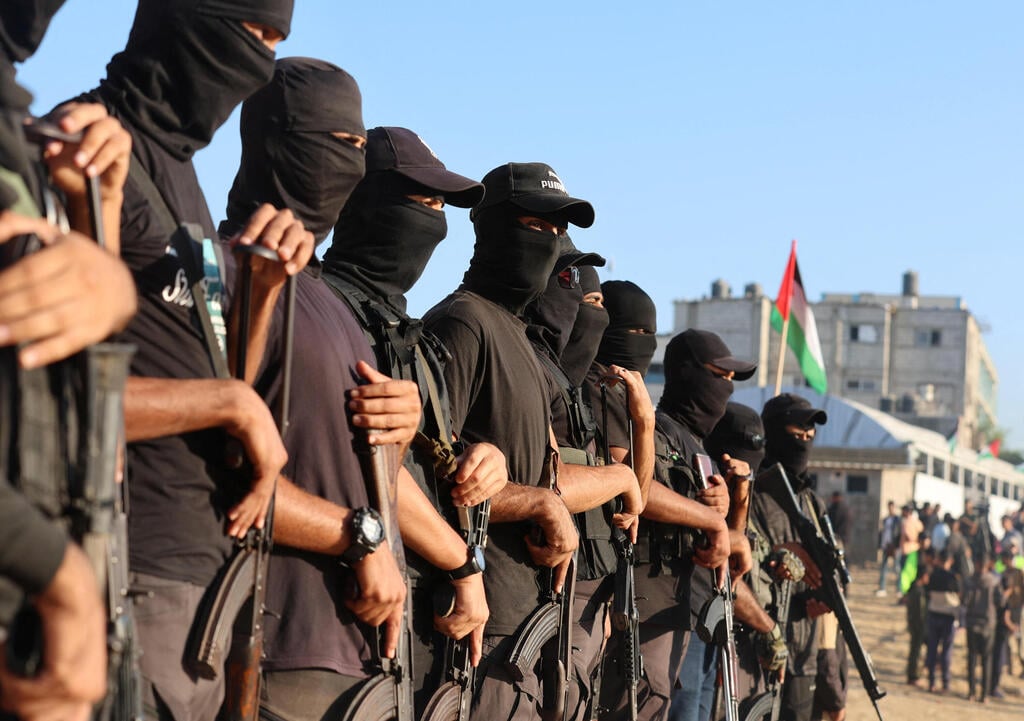
(Photo: REUTERS/Ramadan Abed)
Another commander, Hussein Fayad of the Beit Hanoun Battalion, was also declared killed in a tunnel strike in Jabaliya in May last year, only to reappear months later at a funeral in northern Gaza during a ceasefire. The IDF later said the intelligence indicating his death had been inaccurate.
At the beginning of the war, the IDF also released a deck of cards featuring Hamas figures it identified as senior terrorist targets who were still alive. Among them were Faez Baroud, described as a senior military commander, and Imad Aql, identified as head of Hamas’s home front command. Senior political leaders living abroad, including Khaled Meshaal, Khalil al-Hayya and Osama Hamdan, were also included.
Other senior Hamas figures believed to remain alive in Gaza include Tawfiq Abu Naim, who oversees the group’s internal security apparatus, and Mahmoud al-Zahar, a veteran leader and former Palestinian foreign minister, whom Israeli officials say is in poor health.
Israeli officials say the elimination of Saad further weakens Hamas’s terrorist leadership but caution that the group continues to operate through mid- and lower-level commanders despite the losses at the top.