


The Belgian government approved a series of measures against Israel, chief among them a ban on importing products from settlements in the West Bank. The decision was made Saturday at the government’s final meeting before the summer recess, placing Belgium alongside other European countries such as Spain, Ireland, the Netherlands and Norway that are advancing measures against trade with the settlements, while the European Union has yet to reach an agreement on the issue.
According to a report by Euractiv, a news site focused on the European Union, the decision followed months of discussions within the Belgian coalition. The details of the legislation and its implementation still need to be completed, but the decision amounts to a principled ban on importing goods produced in Israeli settlements.
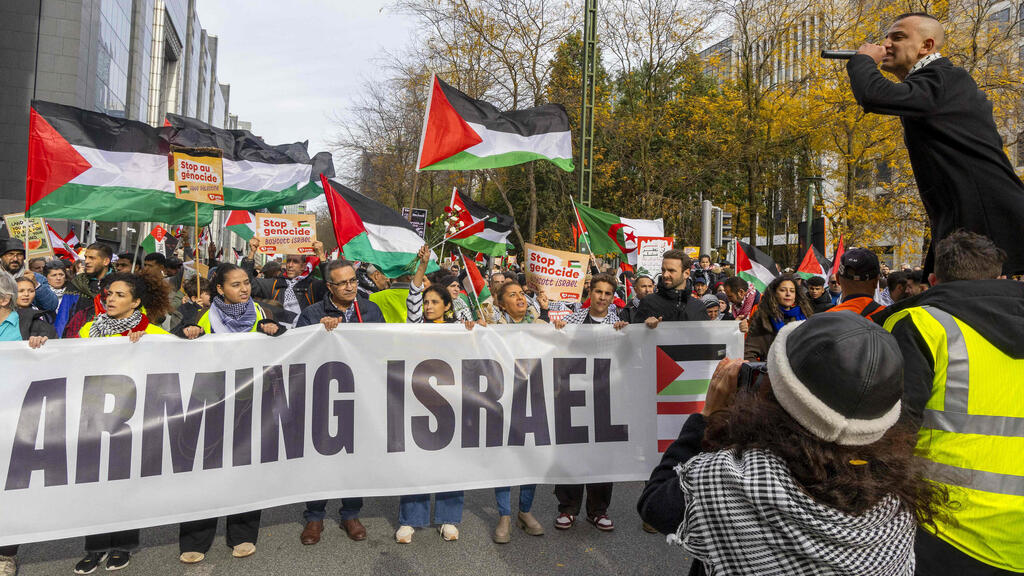
The move comes days after European Union foreign ministers discussed the possibility of imposing similar restrictions at the continental level. Several alternatives were raised at the meeting, including a sweeping ban on imports from the settlements, special tariffs or a licensing mechanism, but member states remained divided and failed to reach an agreement.
In recent weeks, pressure has grown from several EU member states, including Spain, Ireland, the Netherlands, Sweden and Belgium, to advance economic measures against the settlements. Other countries, led by Germany, are wary of broad measures and prefer to focus on sanctions against settlement figures involved in violence.

Belgian Prime Minister Bart de Witt
(Photo: Dirk Waem / Belga / AFP)
The Belgian government’s decision is expected to increase pressure on EU institutions to advance a uniform policy on the matter. However, legal and political disagreements remain over whether such a ban can be approved by a qualified majority of EU member states or requires unanimous agreement by all 27 members.
About two weeks ago, the European Commission circulated an internal document to EU member states outlining a series of possible steps to tighten restrictions on imports of products from settlements in the West Bank, east Jerusalem and the Golan Heights. The document does not constitute a formal legislative proposal. According to diplomatic sources, more than 20 countries asked the commission in June to present options for restricting trade with the settlements.