


After a difficult weekend of intense fighting and the deaths of five soldiers in southern Lebanon, the temporary quiet in the area is deceptive. The IDF forces operating deep inside the territory understand well that this calm is only temporary and, while the artillery is less thunderous, they are using every minute to reinforce positions, prepare attack plans and maintain peak alertness during convoy movements.
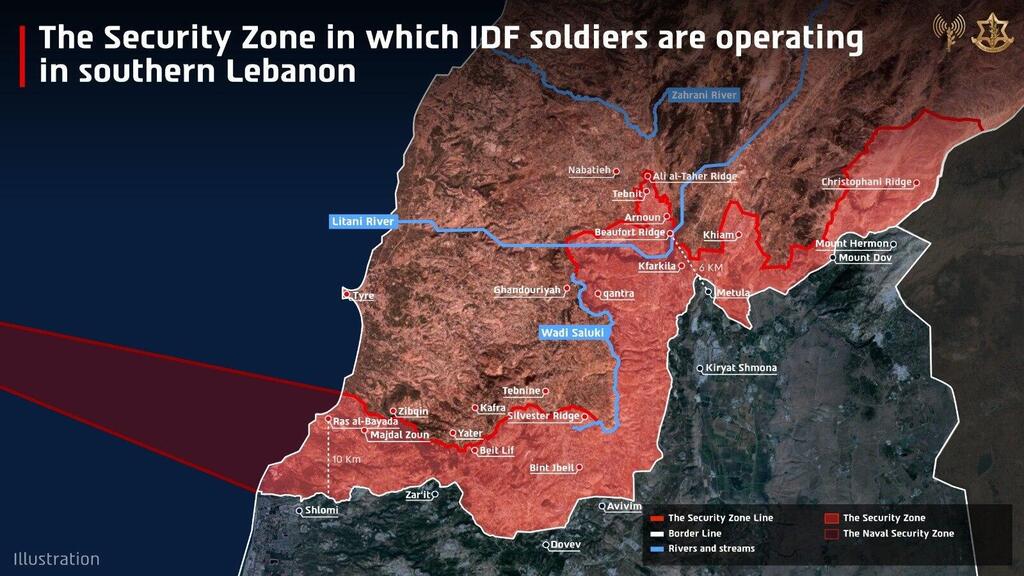
The IDF is beginning to mark out the next stage, with the understanding that the forces later will be required to withdraw to rear, more responsible defensive lines in order to create an appropriate and effective buffer both for troops in the field and for residents of northern Israel. The positions where the military is currently deployed, troops on the ground explain, are very far forward and deep inside the territory.
Hezbollah's secret drone base
(Video: IDF spokesperson's unit)


“We had a very difficult weekend,” said a soldier in the maneuvering force. “The battalion commander, Lt. Col. Dor Ben Simhon, and his soldiers fought with us here shoulder to shoulder. It was a very significant incident. Right now there are not too many forward fire attacks, but in my sector the instruction is clear: Anyone who identifies a threat opens fire. There is no question about it.”
The sense among the forces is that the momentum of the offensive has reached its limit and the focus is shifting. “We probably won’t capture more than what we have captured for now,” one soldier said. “We feel that we are preparing the next security zone. It has to be understood that this is a huge area that needs to be held. The main work now is better protection for the forces on the routes and in the defensive positions.”
Meanwhile, soldiers explained that operations against the underground infrastructure in the Ali Taher ridge area have been frozen for now due to operational sensitivities. Special units, including Yahalom combat engineers and commando forces, are operating in the area in an effort to analyze the situation and understand where the tunnel infrastructure there leads.
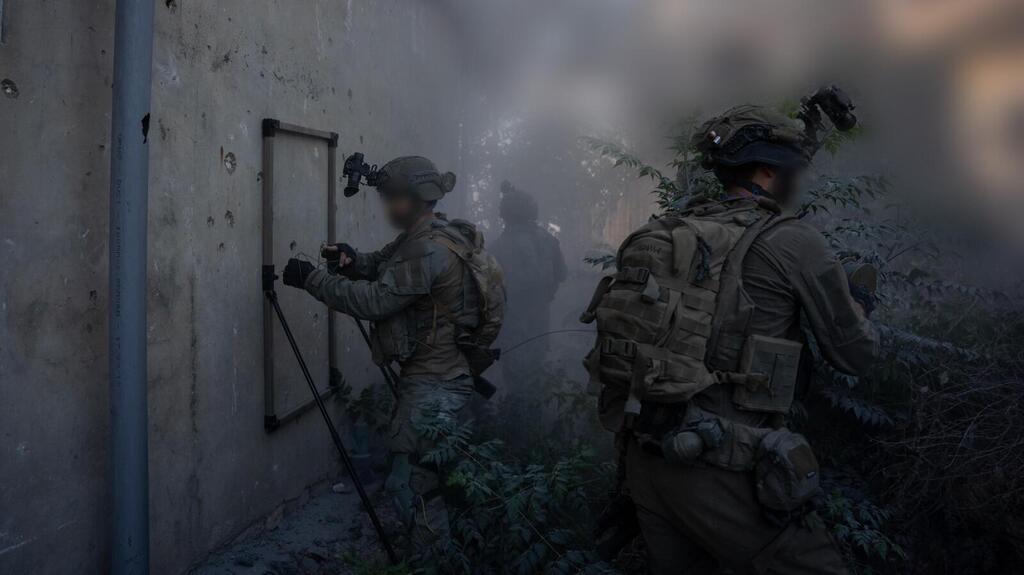
At the same time, the IDF says the activity has not been frozen, and that only in the past two days have forces refrained from entering the underground sites while continuing to operate according to prepared operational plans. There are also questions at this stage about how to handle the Ali Taher ridge compound, considered one of Hezbollah’s nerve centers in southern Lebanon. In addition, there are still terrorists, some of them trapped, in the Tabnit area.
The change in the mission is also felt on the ground, as most of the work by bulldozers and engineering vehicles is now focused on opening routes, and less on demolishing buildings, which had been the leading mission until now. At the same time, within their areas of operation, forces are still working to locate specific infrastructure and clear it.
“People back home don’t understand. We are very, very deep inside the territory,” another soldier said. “It is insanely deep. It’s a very long drive of hours from the border.
“You pass one village and then another village and another. The routes that have been opened here are an unbelievable amount of work. On the other hand, we are at a point that prevents damage to the rocket array, and in the Beaufort area you see the reality with your own eyes. You are inside the villages, going deep in.”
Military officials explain that there is no operational benefit to remaining at these deep positions once the mission of clearing the infrastructure is completed. “To protect the residents of the north, we do not need to be physically so deep inside,” the officials said. “It is possible and necessary to be one leg back. To remain beyond the Litani, of course, in order to distance the threats, but once the work here is finished, there is no reason to stay at these points. A defined security zone must be established here. There is no point in going back to the old border line, but there is also no need to be spread out in depth.”
(Photo: IDF)
The series of statements by Prime Minister Benjamin Netanyahu and Defense Minister Israel Katz regarding the scope of the use of fire was intended, from their perspective, to dispel the sense that the IDF’s hands are tied while forces are deep inside the territory.
On Monday, Netanyahu issued an unusually worded statement, saying he had spoken with the chief of staff and the head of Northern Command on the matter — a statement that appeared to resemble approval of operational plans — in which the prime minister wrote that “the IDF will continue to act decisively to thwart threats to our soldiers and citizens.”
So far, according to the IDF, the forces are not withdrawing, but the sequence of actions indicates that the military is already preparing to establish itself in defensive positions.