

Germany has completed construction of Europe’s largest ammunition production facility as the Russian invasion of Ukraine and the Trump administration’s refusal to carry NATO’s full burden spur European nations to accelerate arms production and strengthen militaries.
German defense company Rheinmetall finished the €500 million project in Unterluss, northern Germany, in just 18 months, far shorter than the usual two to three years. The company plans to expand the plant to produce rocket engines and warheads.
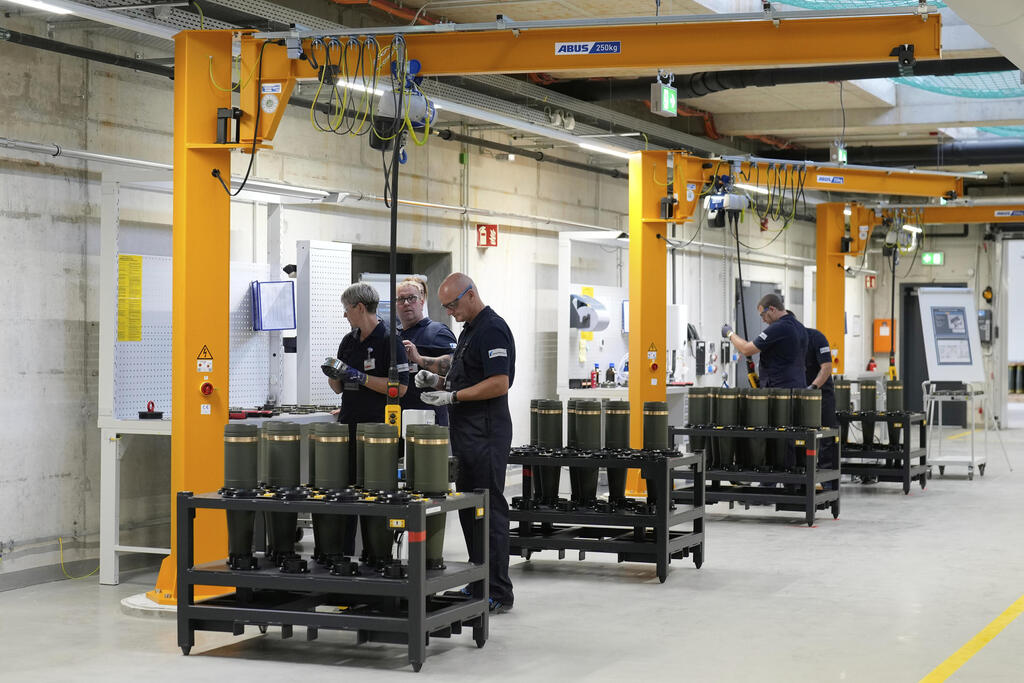
German Finance Minister and Vice Chancellor Lars Klingbeil, Defense Minister Boris Pistorius, and NATO Secretary General Mark Rutte attended the opening. “Automatic weapons production in Germany will make the country ready for war against the threat from Russia,” said Rheinmetall CEO Armin Papperger. He added that the plant’s artillery shell output will rise from about 25,000 this year to 140,000 next year and 350,000 the year after.
The 30,000-square-meter facility is part of the EU’s effort to reduce reliance on U.S. weapons and protective equipment and build greater European defense independence. Papperger said success in Germany could lead to similar plants in other EU countries. Rheinmetall has already announced a facility in Romania, planned to be built over the next 18 months with an investment of €550 million, and another in Bulgaria. Both plants are expected to streamline ammunition shipments to Ukraine.
Defense industry profits are booming while Europe’s automotive sector struggles with losses and layoffs. Analysts say the invasion and Trump’s re-election have shifted the EU’s focus from a borderless liberal utopia to real-world security threats and major weapons and ammunition investments.
“This is a very important step for our security,” Rutte said. “The new plant will support our continued aid to Ukraine in its fight against the Russian invasion and help establish deterrence to prevent future aggressive actions. We face challenges from Russia and China, but NATO members are ready to take the lead in defensive weapons production.”
The plant highlights Germany’s expanded defense policy, following constitutional changes earlier this year that allow the government to raise its debt ceiling to fund military investments. Artillery shell production across Europe has increased sixfold in the past year, and the new plant is expected to boost output further.
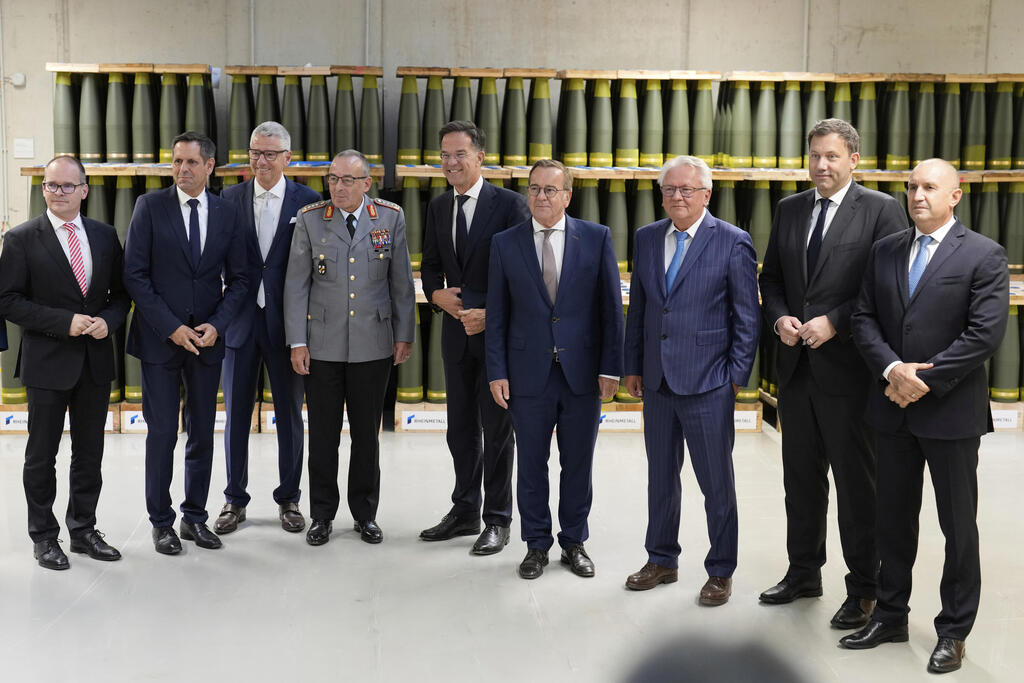
German Finance Minister Lars Klingbeil, Defense Minister Boris Pistorius and NATO Secretary General Mark Rutte at the opening ceremony of the Rheinmetall plant
(Photo: AP Photo/Markus Schreiber)
“To ensure NATO functions as expected, the European part of the alliance must carry more weight,” Pistorius said. “To meet our security challenges, we must expand our defense industry base and turn investments and promises on paper into tangible means of protecting Germany and the entire continent.”
Germany faces a shortage of personnel to operate its weapons. The military currently has 182,000 active soldiers and plans to reach 260,000 within four to five years. Young people across Europe are largely reluctant to enlist, prompting discussions that compulsory conscription may eventually be needed.
Rheinmetall is positioning itself at the forefront of Germany’s effort to lead Europe’s arms race against Russia. The company also plans to expand cooperation with U.S.-based Lockheed Martin to produce Hellfire missiles and other rockets at the new facility. Currently, Rheinmetall manufactures components for the F-35 fighter jet. The company is reportedly negotiating with Lürssen shipyard in Bremen to acquire its military division and expand production, which now focuses on tanks, military vehicles and ammunition.