



Israel is grappling with a growing international public relations crisis following multiple deadly incidents in Gaza, where civilians seeking humanitarian aid were reportedly shot by Israeli forces.
Global media outlets and more than 25 countries have sharply criticized Israel’s military actions and humanitarian policies, while Israeli authorities have been slow or limited in responding publicly, deepening concerns over its communication strategy amid the ongoing war.
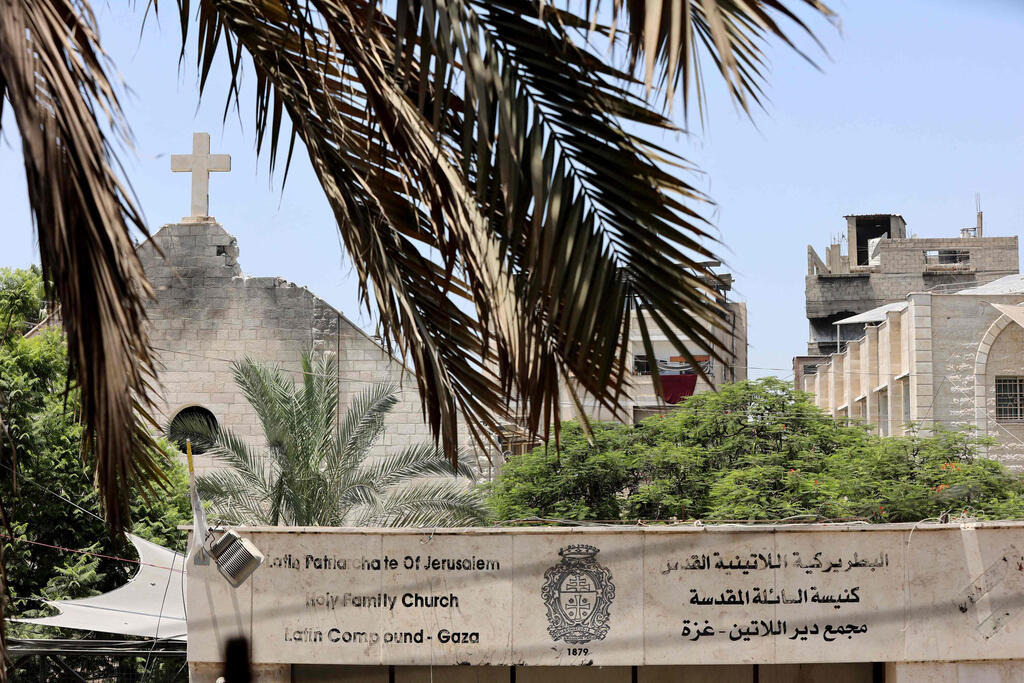
Just days after a strike on a Catholic church in Gaza sparked worldwide outrage and led Israel to issue an apology, IDF operations in the Gaza Strip have again drawn international scrutiny. Leading news organizations, including Reuters, CNN, BBC, The Washington Post, The Guardian and The New York Times have widely reported on dozens of Palestinians killed near aid distribution points, citing Gaza’s Health Ministry, which is run by Hamas.
The Gaza Health Ministry reported that dozens of civilians, mostly in Gaza City, were killed by IDF fire while waiting for humanitarian aid trucks near distribution centers, including aid entering through the Zikim crossing. Israeli officials initially delayed commenting but later said that warning fire was used to remove immediate threats to troops, disputing the reported casualty numbers. Despite widespread media coverage, Israel’s public diplomacy has been largely limited to brief statements from IDF spokespersons, with little comprehensive official narrative to counter the growing international criticism.
CNN described the incidents as among the deadliest involving aid seekers in recent weeks. The United Nations World Food Program said a convoy of aid trucks came under fire from IDF tanks, snipers and other forces while approaching a crowd awaiting food.
The Washington Post highlighted the months-long Israeli siege that has left Gaza residents without basic supplies, forcing some victims’ bodies to be transported on donkey carts due to ambulance shortages. The article cited UN agencies accusing Israel of starving civilians, including nearly one million children. It also quoted the Gaza Health Ministry reporting that 18 people, including eight children, died from starvation within 24 hours.
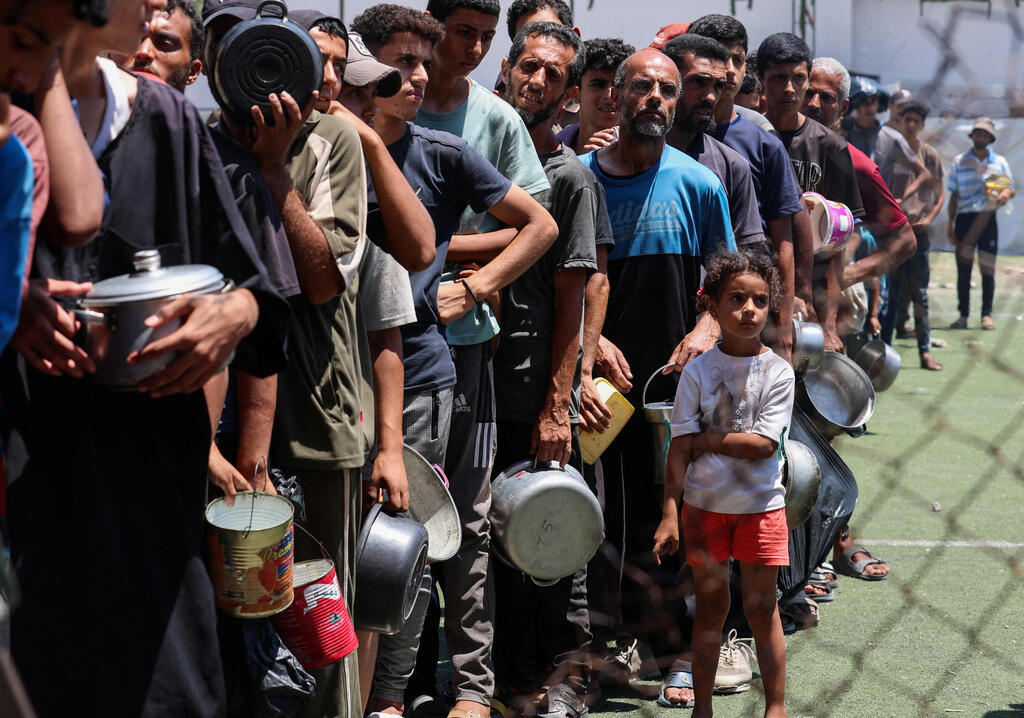
Gazans at an aid distribution hub in central Gaza
(Photo: REUTERS/Ramadan Abed)
BBC coverage featured eyewitnesses describing children dying from hunger and people surviving on water and salt, with reports of “deadly overcrowding” and claims that IDF tanks and snipers fired randomly at civilians.
The New York Times reported two separate deadly shootings near aid sites within days, calling them symptoms of broader systemic problems. The paper noted that IDF forces used live ammunition rather than non-lethal means to control crowds desperate to avoid starvation under the Israeli siege imposed since March.
The Wall Street Journal detailed chaotic scenes at aid centers, describing thousands of hungry Palestinians rushing gates as American security contractors struggled to maintain order. The ensuing disorder led to violence and shortages, with reports of shots fired and aid quickly exhausted.
CNN also reported the death of a 4-year-old girl from starvation after Israel reduced food supplies. Palestinian health officials claim dozens of children and adults have died of malnutrition since the conflict began, with the World Health Organization confirming most deaths occurred after the siege’s imposition in early March.
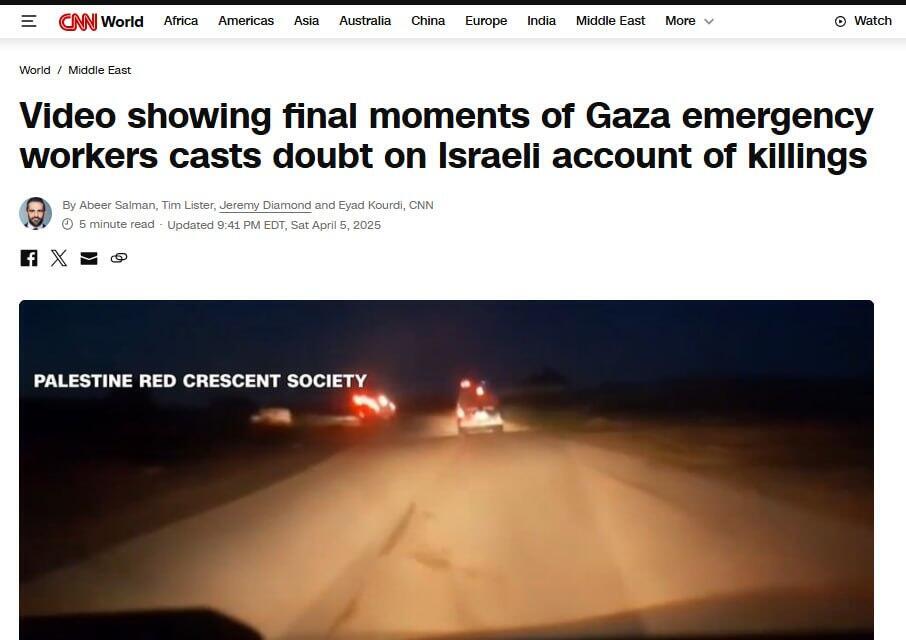
Israel’s public diplomacy challenges are compounded by prior incidents such as the deadly attack on a food distribution center in Rafah. Global media widely reported the event as a massacre while Israel remained silent for hours, allowing damaging narratives to take hold without official rebuttal. Subsequent IDF investigations cleared soldiers of deliberate wrongdoing but the reputational harm persists amid accusations of executions and forced killings.
Get the Ynetnews app on your smartphone: Google Play: https://bit.ly/4eJ37pE | Apple App Store: https://bit.ly/3ZL7iNv
Amid these developments, over 25 countries—including Britain, Spain, Switzerland, Italy, Japan and France—issued a joint statement condemning the “drip” of aid and the “inhumane killing” of civilians seeking basic necessities. The statement called on Israel to lift restrictions on humanitarian aid immediately and urged all parties to uphold international humanitarian law. It also demanded the unconditional release of hostages held by Hamas for more than 650 days.
Israel’s Foreign Ministry dismissed the statement as disconnected from reality and accused Hamas of prolonging the war and escalating violence against civilians seeking aid. The ministry said Hamas started the conflict and is responsible for the continued suffering on both sides.