

U.S. President Donald Trump has invited Prime Minister Benjamin Netanyahu to join a newly announced international body overseeing postwar Gaza, signaling that the initiative, initially presented as Gaza focused, could evolve into a far broader forum that critics are already dubbing “Trump’s United Nations.”
According to officials familiar with the matter, Trump sent an invitation to Netanyahu, or a representative designated by him, to take part in what the White House has called the “Board of Peace.” Invitations were sent to leaders of more than 50 countries.
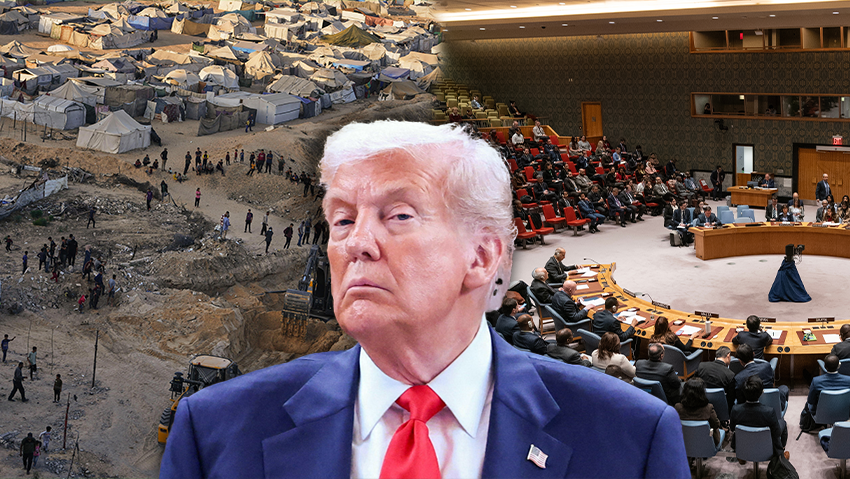
So far, Argentina, Canada, France, Germany, Australia, Albania, Bahrain, Egypt and Turkey are among the countries reported to have received invitations. None has formally confirmed participation. Israel had not been publicly listed among invitees until Trump’s outreach to Netanyahu emerged Saturday.
“Members of the Board will be announced shortly,” Trump said in a post on Truth Social, “but I can say with certainty that it is the Greatest and Most Prestigious Board ever assembled at any time, any place.”
Despite the announcements, the scope, authority and long-term vision of the Board of Peace remain unclear. The New York Times reported that critics have questioned whether Trump is attempting to establish a U.S.-controlled alternative to the United Nations Security Council.
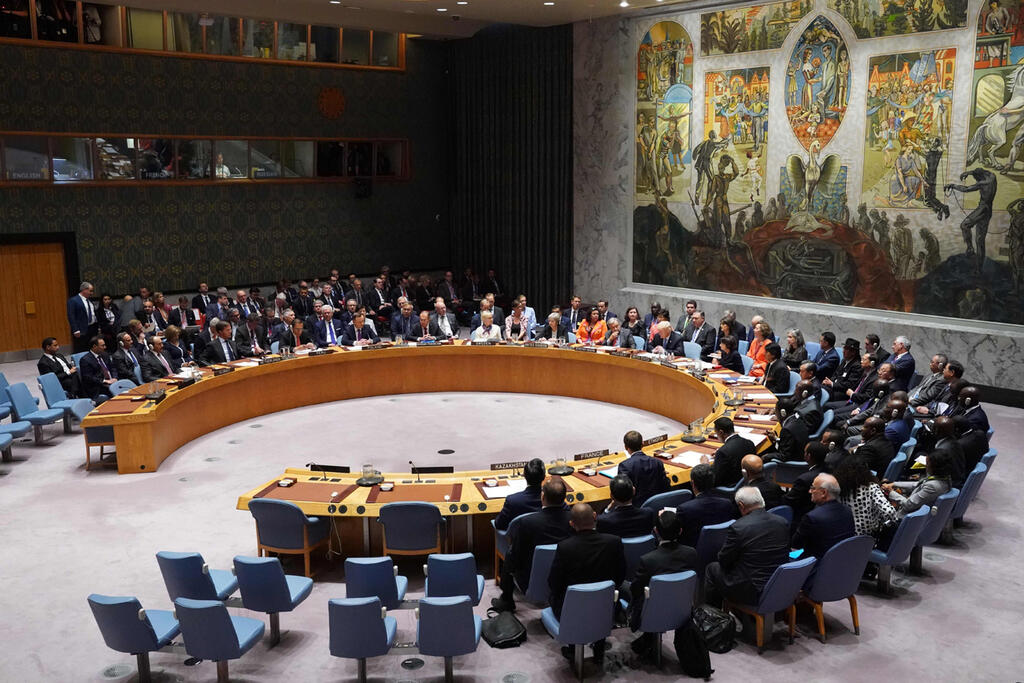
The United Nations Security Council
(Photo: AFP)
In an interview with Reuters before the formal launch, Trump said the panel’s work would begin with Gaza but could later expand. “It's going to, in my opinion, start with Gaza and then do conflicts as they arise,” he said. Asked about its goals, Trump replied: “...like - other countries that are going to war with each other.”
Human rights experts and diplomats have expressed concern that a Trump-led body overseeing governance in foreign territory resembles a colonial structure. One diplomat familiar with the invitation letters sent worldwide described the initiative as “'Trump United Nations' that ignores the fundamentals of the UN charter.”
The Financial Times earlier reported that U.S. officials had floated the idea of expanding the panel’s mandate to conflicts such as Ukraine and Venezuela, prompting concern among Western and Arab diplomats. A U.S. official later denied the report, saying the board would focus solely on Gaza.
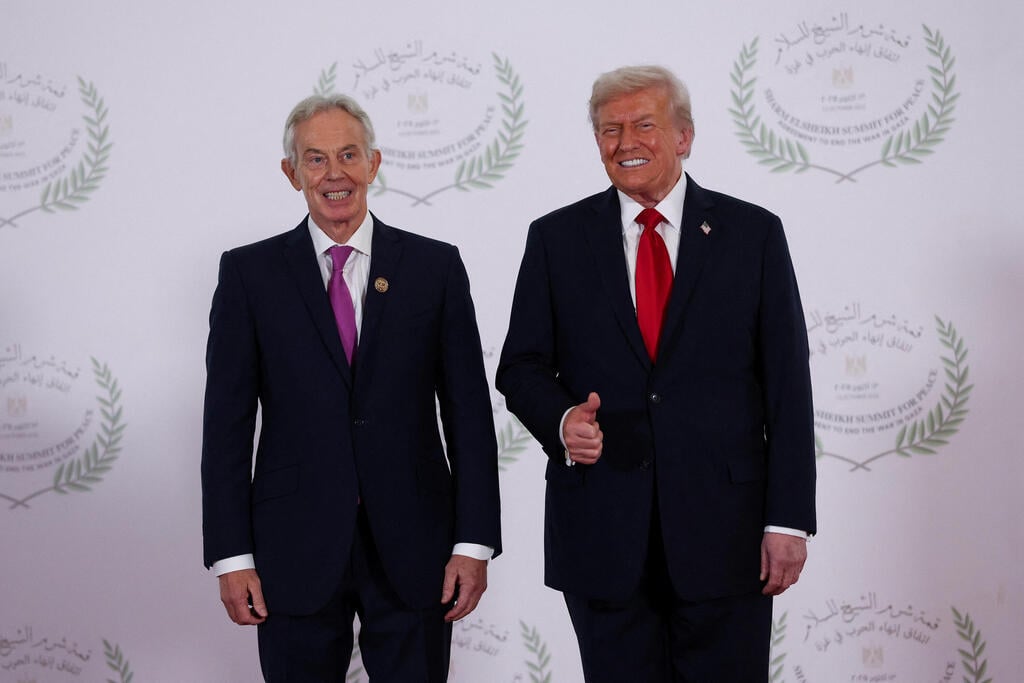
Former British prime minister Tony Blair and Trump
(Photo: REUTERS/Suzanne Plunkett/Pool)
The Board of Peace members announced so far include Secretary of State Marco Rubio; U.S. special envoy to the Middle East Steve Witkoff; Trump’s son in law Jared Kushner; former British prime minister Tony Blair; Jewish American billionaire Marc Rowan; World Bank President Ajay Banga; and U.S. Deputy National Security Adviser Robert Gabriel. Blair’s inclusion has drawn criticism because of his role in the 2003 Iraq war and Britain’s imperial legacy in the Middle East.
Alongside the board, Trump announced the creation of a subordinate body — the Gaza Executive Board — which will operate beneath the Board of Peace and above a newly declared Palestinian technocratic administration intended to govern Gaza in place of Hamas.
According to the White House, the executive board will include Israeli‑Cypriot businessman Yakir Gabay, Turkish Foreign Minister Hakan Fidan and senior Qatari official Ali Al‑Thawadi. Their inclusion prompted an unusually sharp response from Netanyahu’s office, which said the board’s composition had not been coordinated with Israel and contradicted its policy.
Under the framework outlined by the White House, the Board of Peace will be responsible for broad oversight of Trump’s Gaza plan, including mobilizing international funding, coordinating among governments and setting overall reconstruction and peace‑building policy. The Gaza Executive Board will oversee implementation of the plan and day‑to‑day reconstruction efforts on the ground.