

Rescue teams in Colombia were making desperate efforts Thursday afternoon to find survivors of the magnitude 7.4 earthquake that struck the country Monday, before the critical 72-hour window for locating survivors closes. The official death toll stands at 265, with more than 3,500 injured and nearly 500 people still missing. In recent days, authorities had reported 3,000 to 4,000 people missing or out of contact, but after cross-checking and further inquiries, officials said the number is lower.
Search-and-rescue experts say the chances of finding survivors drop sharply three days after an earthquake, although past disasters have shown that people can still be found alive beyond that point, especially if they have access to food and water. The earthquake struck Colombia on Monday at 7:34 a.m. local time, meaning the most critical phase of the rescue effort ends Thursday afternoon.
The moment 3-month-old Salomón was rescued from the rubble in Cali


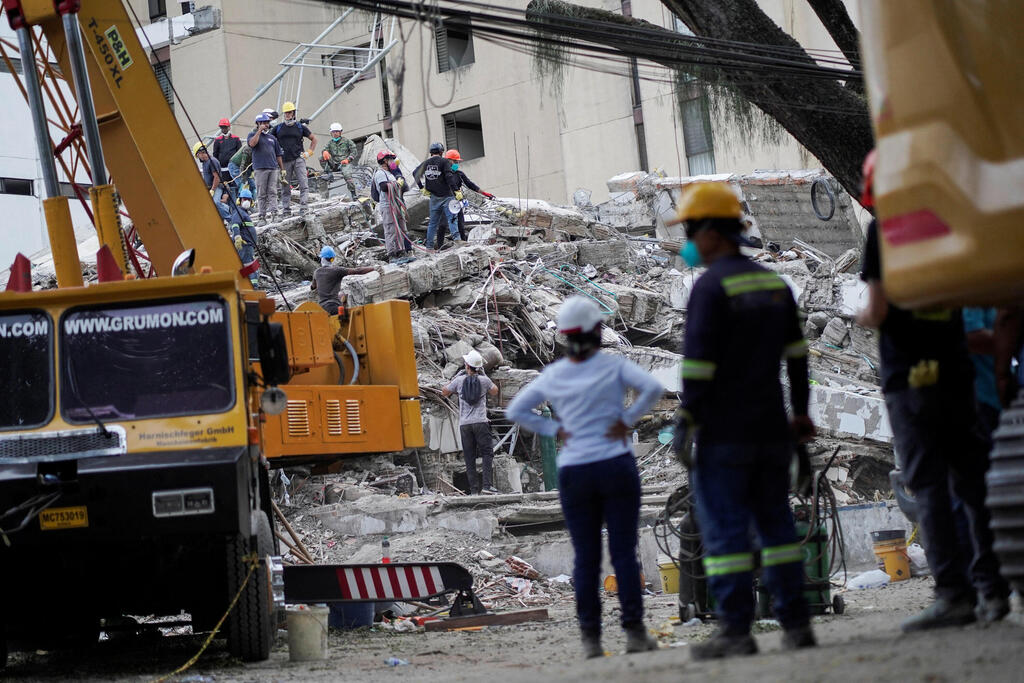
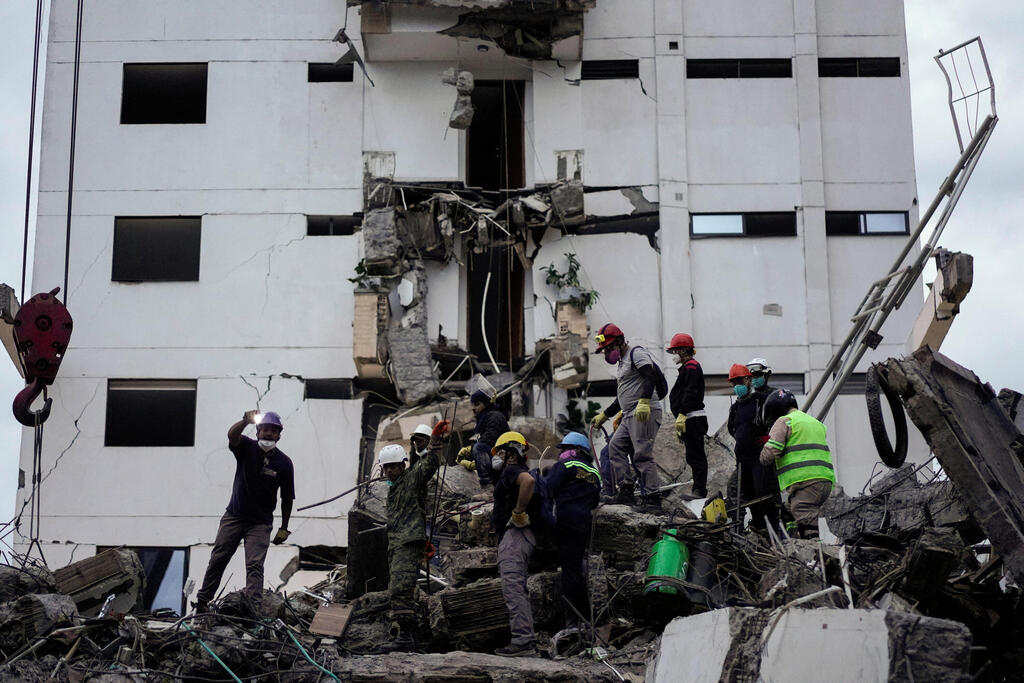
Rescuers at a partially collapsed building in Cali
(Photo: Sergio Acero/Reuters)
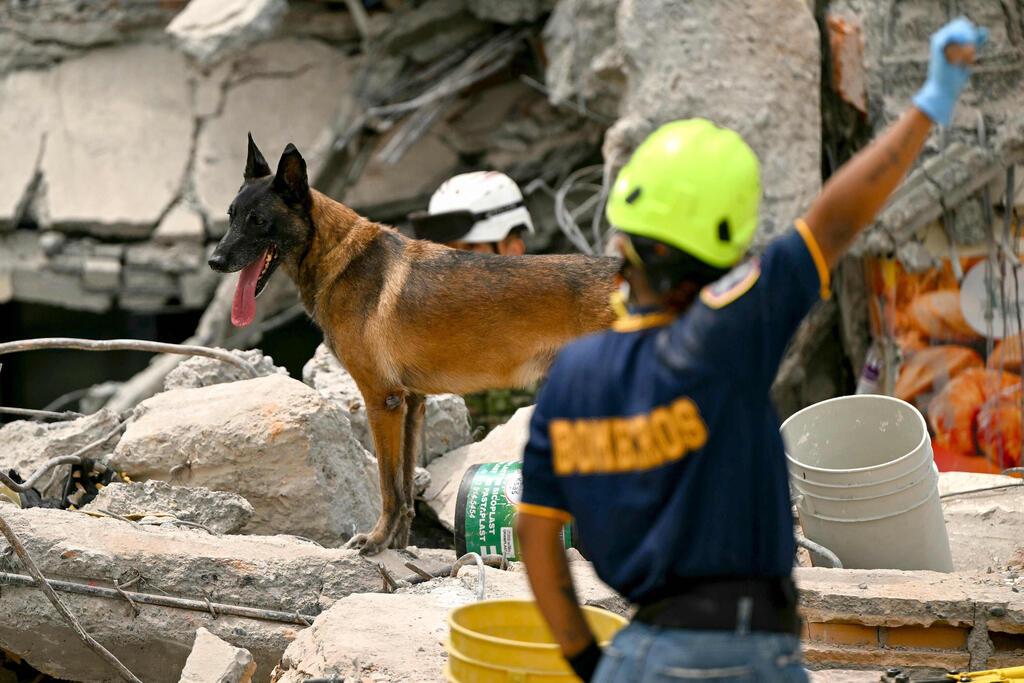
A rescue worker in Pereira raises her fist to signal for silence as crews listen for voices and calls for help beneath the rubble
(Photo: Luis Acosta/AFP)
In Cali and Pereira, two of the cities hit hardest, rescue teams worked through a third consecutive night, clearing rubble with their bare hands and using cranes and search dogs. From time to time, they stopped — not to rest, but to create silence so they could listen for cries for help or signs of life beneath collapsed buildings.
Marta Pérez, a Cali resident, said overnight that two of her relatives were trapped under the rubble and that she felt helpless. “We will hold on to hope until the very last moment,” she said.
Fernando Loaiza, a rescue volunteer, said he and his colleagues had no intention of stopping. “As you can see, we are all here, the whole city of Cali, hoping to find more survivors,” he said.
Cali Mayor Alejandro Eder also said overnight that rescue efforts were entering their final stage.
After 36 hours under the rubble: Survivor Daniela Largo Sánchez rescued
(Video: Reuters)
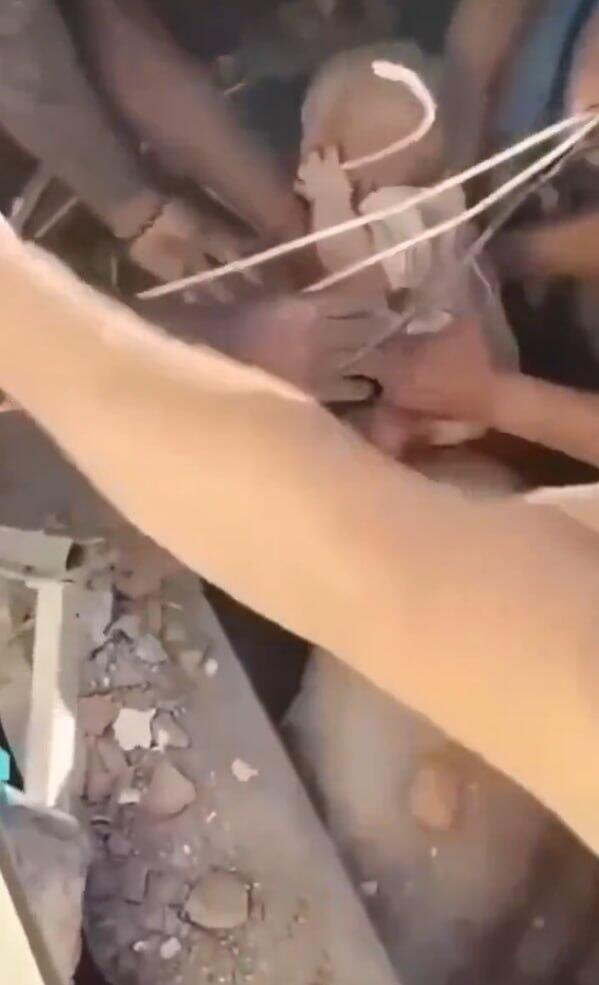
Rescue of 3-month-old Salomón, who suffered only scratches and a minor head injury
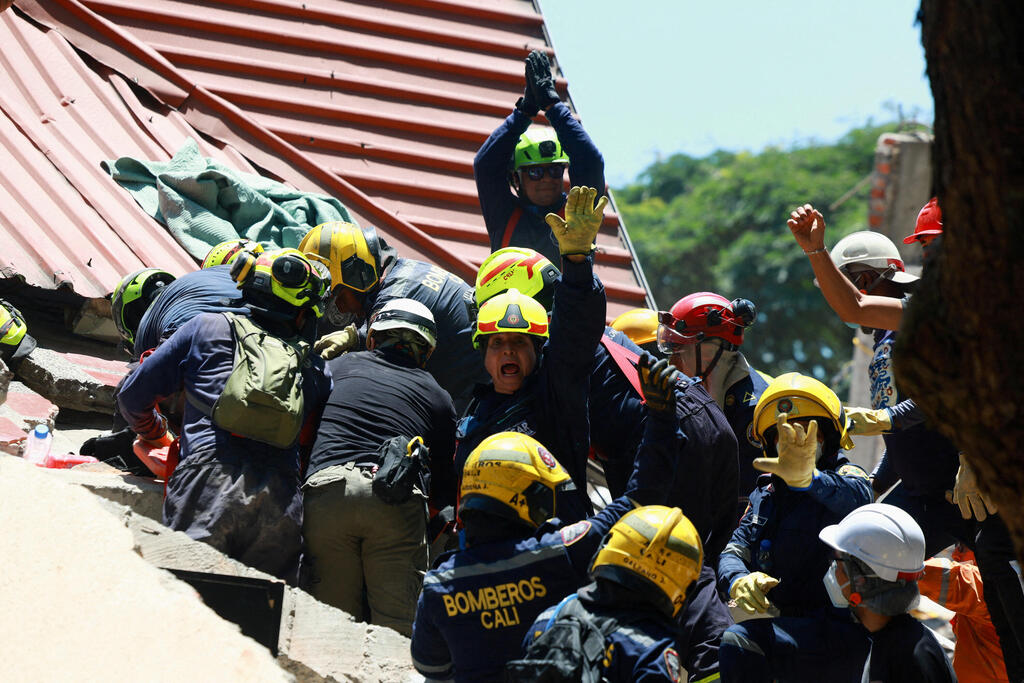
Rescuers in Cali signal for silence
(Photo: Raquel Cunha/Reuters)
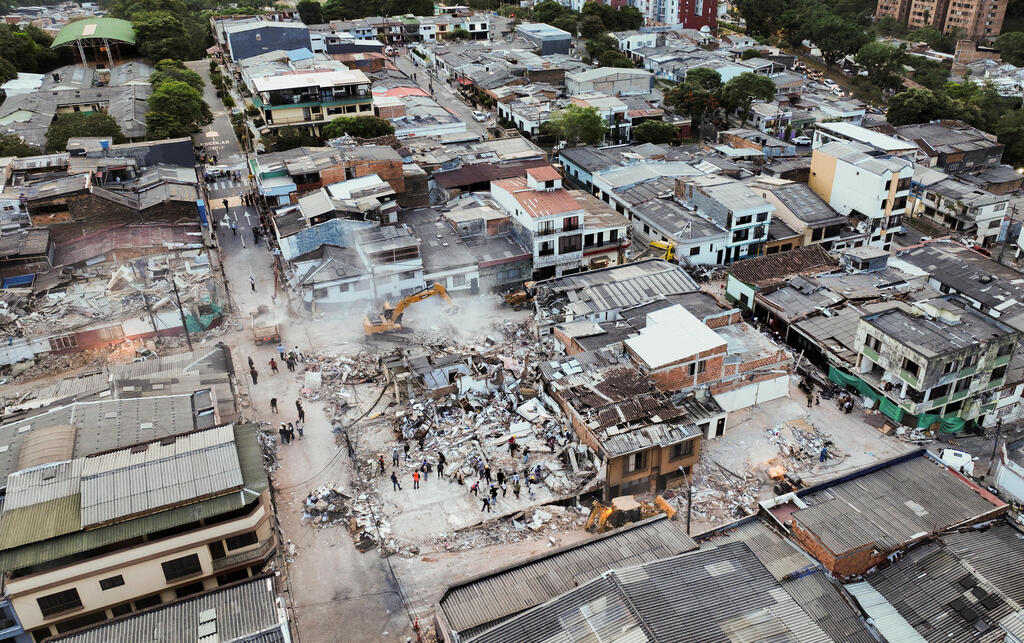
One of the scenes of destruction in Pereira
(Photo: Luisa Gonzalez/Reuters)
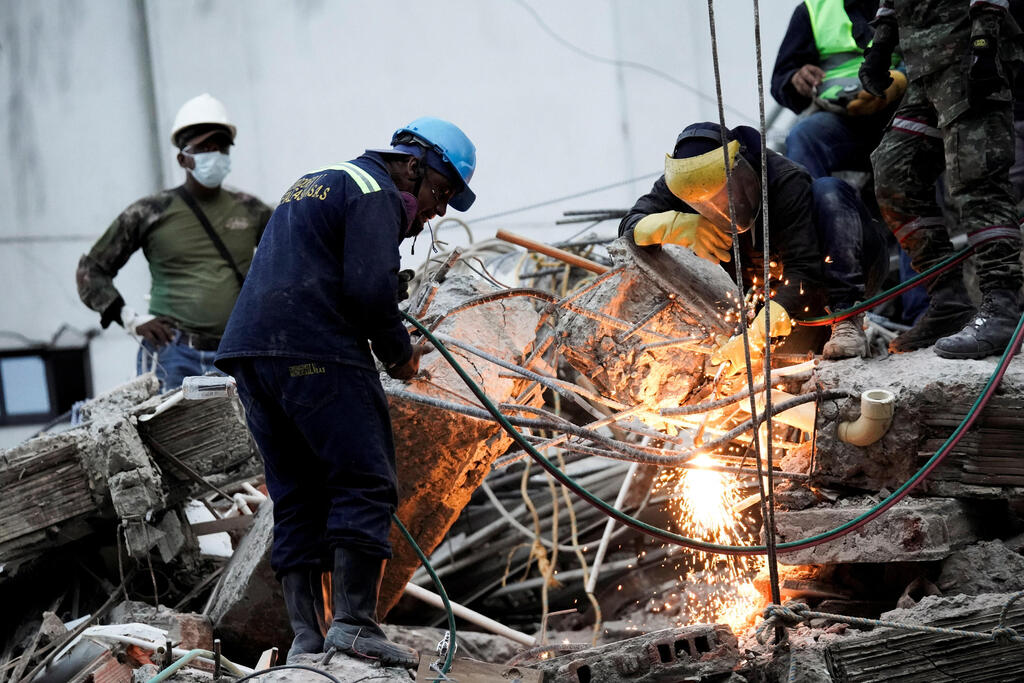
(Photo: Sergio Acero/Reuters)
Meanwhile, the rescue of Salomón, a 3-month-old baby pulled alive from the rubble of a five-story building that collapsed in Cali, continued to draw attention around the world.
The infant was rescued several hours after the earthquake after a passerby heard the weakening voice of Salomón’s father calling from beneath the debris: “I’m here. I’m with a baby.”
Video of the rescue showed the infant, dressed in a dust-covered onesie, being carefully pulled from the rubble. His father, Juan David Gómez, could be seen lying at an awkward angle, one arm covered in blood, while still trapped beneath a slab of concrete.
He, too, was eventually rescued. Both father and son were taken to a hospital and are in stable condition. The baby suffered only scratches and a minor head injury, while Juan underwent surgery and is recovering.
The baby’s mother, 29-year-old Valentina, however, remained trapped in the rubble with her younger brother. It was unclear whether they had survived.
In Pereira, rescuers focused overnight on a collapsed bakery where they believe a vendor, Pablo Loaiza, may still be alive beneath the debris. Rescue teams used equipment capable of detecting slight movements and found signs suggesting he was alive and waiting to be rescued.
Loaiza’s relatives gathered at the scene, anxiously awaiting updates. “They’re telling us it could be him,” said his 16-year-old niece, Sara. “My heart is about to explode.”
Family members said rescuers asked Pablo to knock twice and then three times from beneath the rubble, and it appeared he responded. People at the scene applauded excitedly.
Pro-Israel government: ‘We did not reject aid for political reasons’
More than 11,000 homes were destroyed in the earthquake, leaving thousands of families homeless. For many residents, Wednesday night was their third consecutive night outdoors, either because their homes had been damaged or because they were afraid to return amid continuing aftershocks. More than 100 aftershocks have been recorded since Monday’s main quake.
Screams and panic as the earthquake strikes Cali, and damage at the cathedral in Manizales
(Video: Reuters)
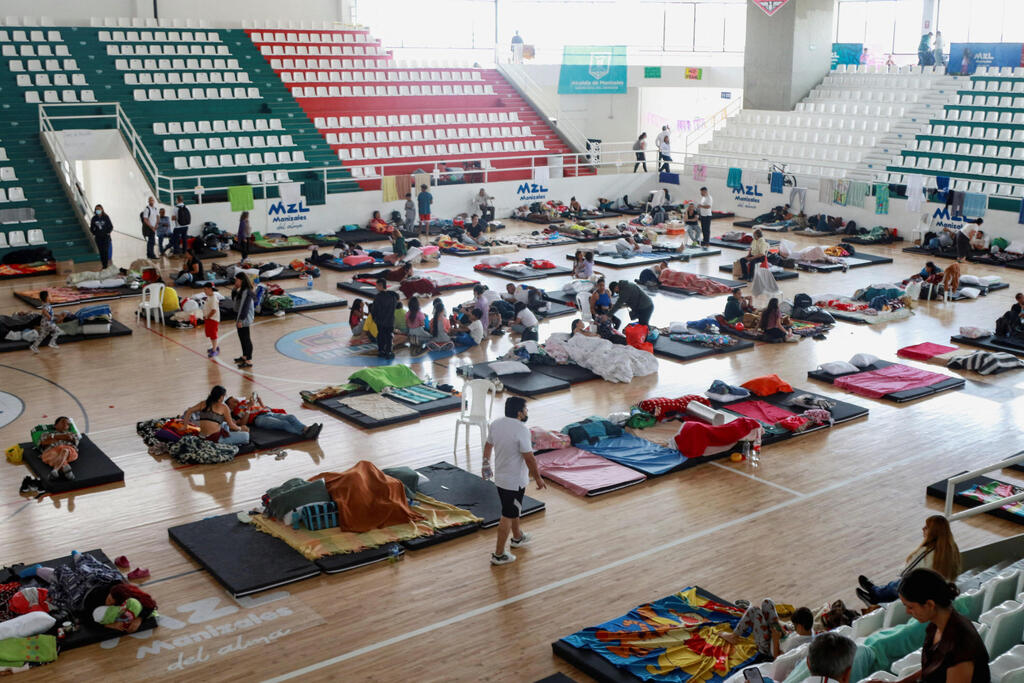
Evacuees in a sports hall in Manizales, after their homes collapsed or they were too afraid to return
(Photo: Andres Camilo Valencia/Reuters)
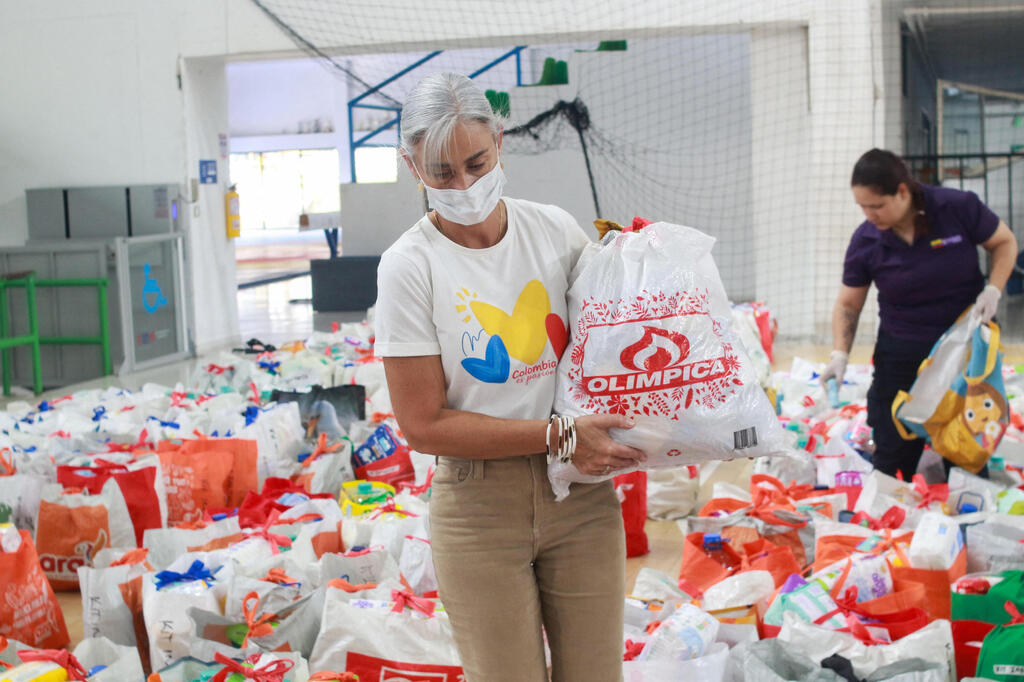
Volunteers carry bags of food for earthquake victims in Manizales
(Photo: Andres Camilo Valencia/Reuters)
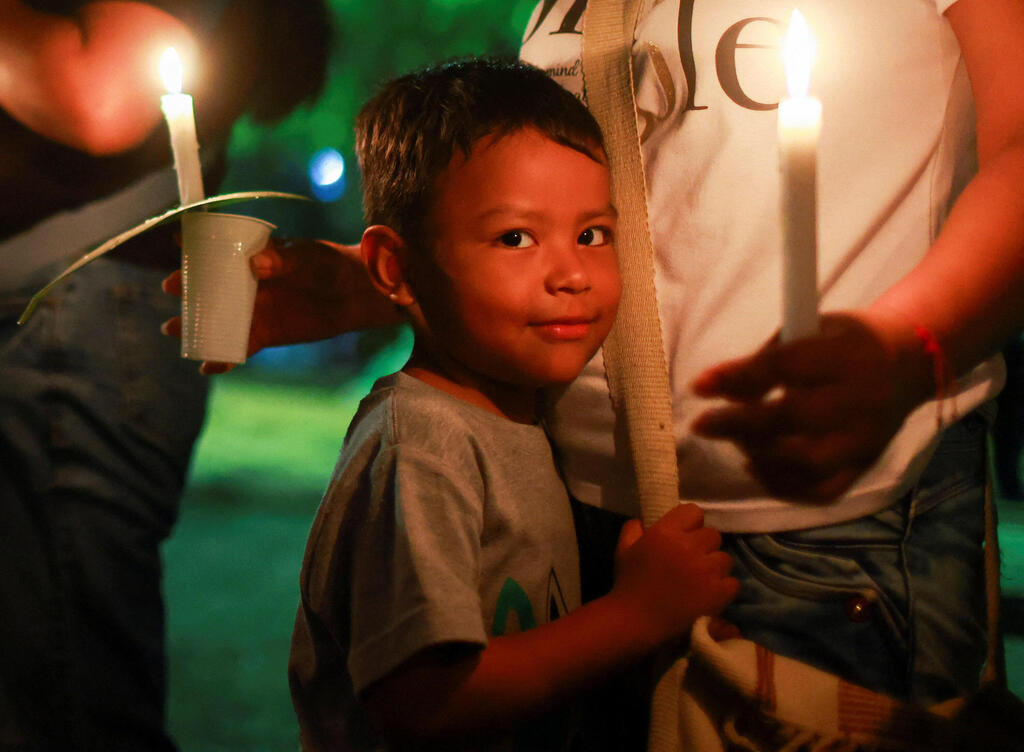
A child at a prayer and candle-lighting ceremony for earthquake victims in Cali
(Photo: Raquel Cunha/Reuters)
In the town of Roldanillo, Juliana Méndez sifted through the ruins of the beauty supply store where she worked, one of many businesses damaged in the earthquake. “It’s like starting everything over,” she said of the destruction.
In Pereira’s Providencia neighborhood, residents were seen removing furniture and household belongings from damaged buildings. One of them was Ana Paulina, whose apartment is now unsafe. “We’re in shock,” she said. “We are not prepared to tell our children that we have to pack whatever we can and start a new life.”
Colombia’s new president, Abelardo de la Espriella, who took office just three days before the powerful earthquake, declared an economic state of emergency and three days of national mourning. Citizens across Colombia mobilized to help, bringing water, food and supplies to affected neighborhoods. Long lines formed outside blood donation centers.
Over the past day, Colombia began approving and receiving international aid missions, including one from Israel. The United States announced immediately after the earthquake that it was allocating $15.5 million in emergency assistance to the government in Bogotá, while the European Union committed 2 million euros.
Israeli Prime Minister Benjamin Netanyahu said Wednesday night that he had ordered an aid delegation to leave for Colombia “immediately.” After years of strained ties with Israel, Colombia is now renewing relations and plans to open an embassy in Jerusalem following the election of the new, pro-Israel president, de la Espriella.
Buildings collapse as survivors jump and flee: Footage from the Colombia earthquake
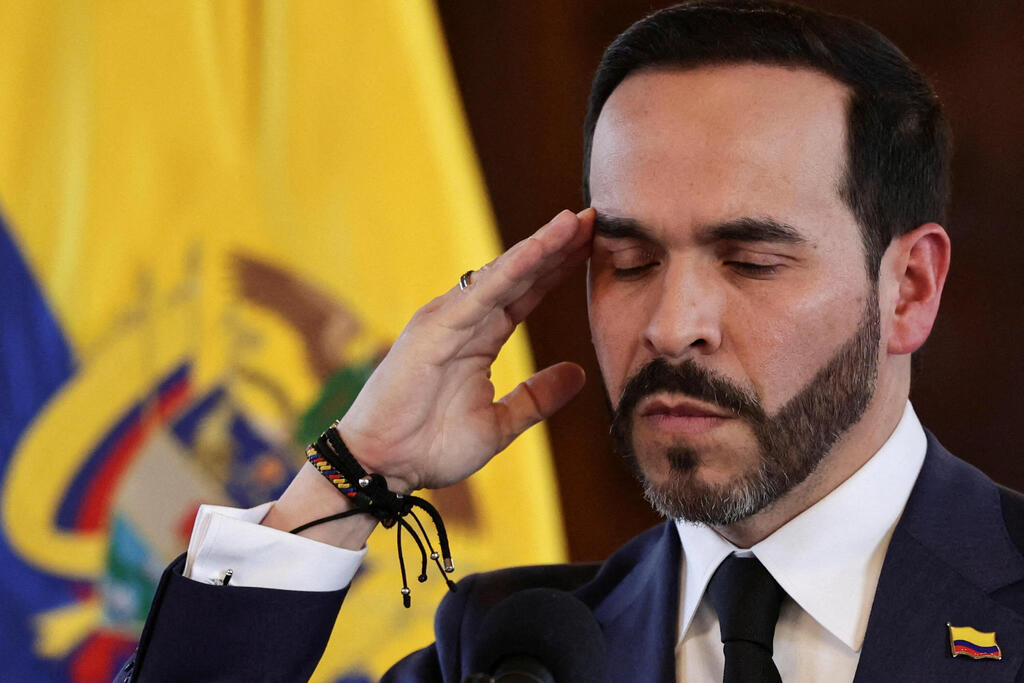
New President Abelardo de la Espriella; Israel was among the countries whose aid offers were accepted, with officials citing the required certifications
(Photo: Jose Vargas/Reuters)
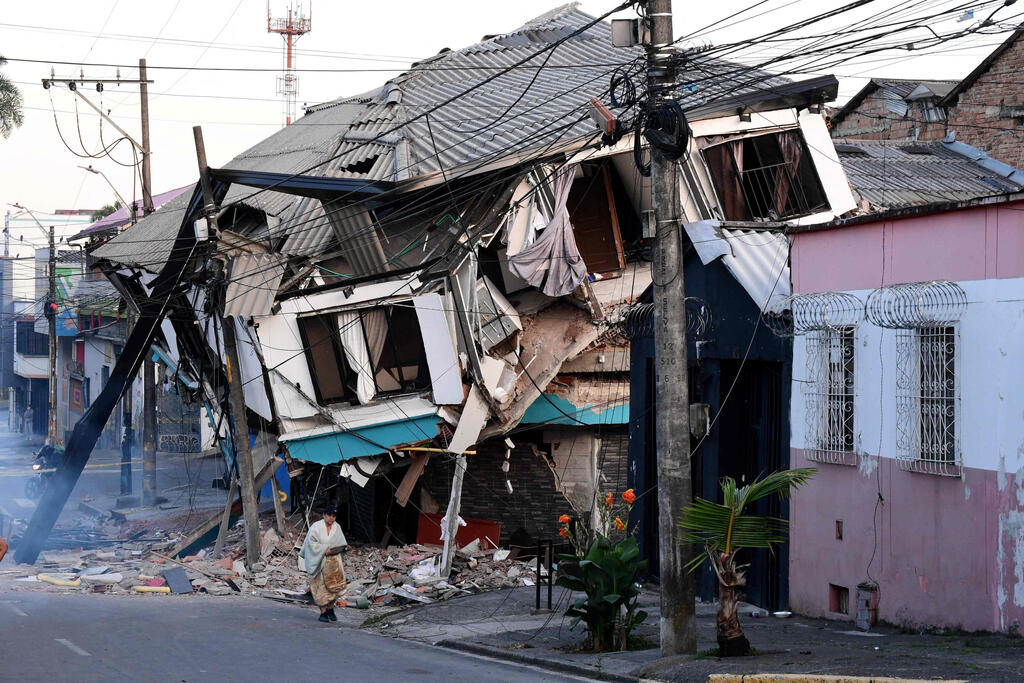
Rubble in Pereira; the fate of hundreds remains unknown
(Photo: Jaime Saldarriaga/AFP)
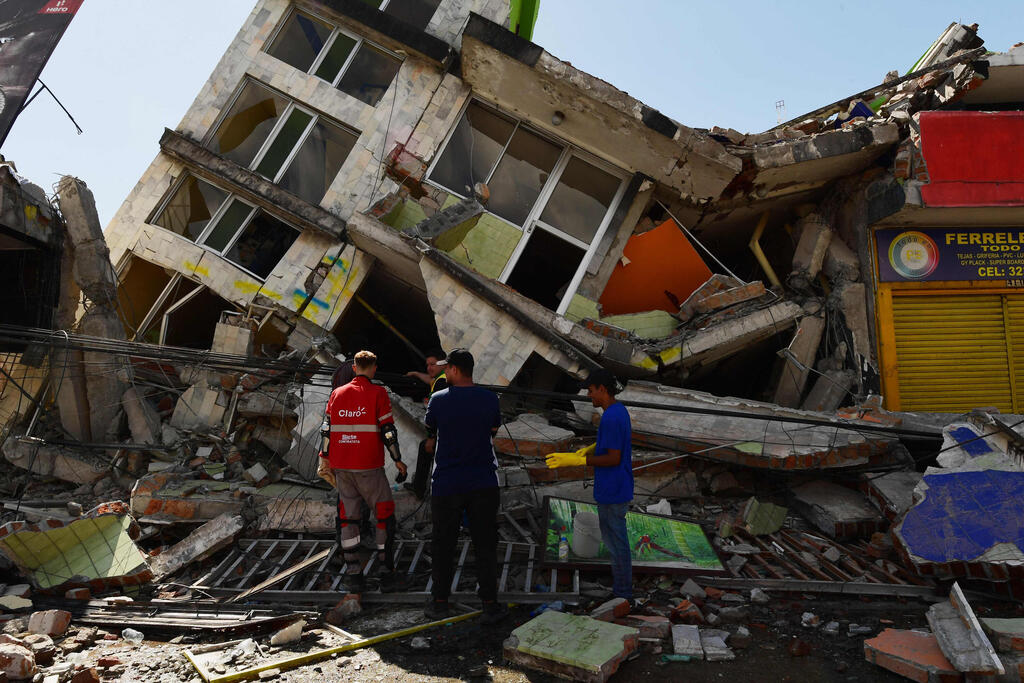
(Photo: Jaime Saldarriaga/AFP)
At the same time, criticism of Colombia’s new government has grown over what critics describe as poor preparedness and delays in accepting international assistance during the crucial hours after the earthquake, in what is being seen as the administration’s first major leadership test.
Among the accusations is that the tense transition between de la Espriella and the outgoing left-wing administration of former President Gustavo Petro — marked by the absence of an orderly handover and the late appointment of the head of the national disaster management agency — led to administrative breakdowns and confusion over the official channels for receiving aid, even as the 72-hour rescue window was closing.
The government has also been accused of showing deep suspicion toward parts of the international community, refusing certain aid offers and turning away trained rescue teams from countries including Mexico.
Colombia’s new government and its Foreign Ministry strongly rejected claims that aid offers had been refused for political or ideological reasons, saying no country or organization had been deliberately excluded.
Officials said the government specifically requested rescue teams from only four countries — the United States, El Salvador, Ecuador and Israel — based solely on professional considerations, because teams from those countries hold the required international certifications. Other organizations, they said, were provided with a specific list of humanitarian equipment and supplies that were needed.