

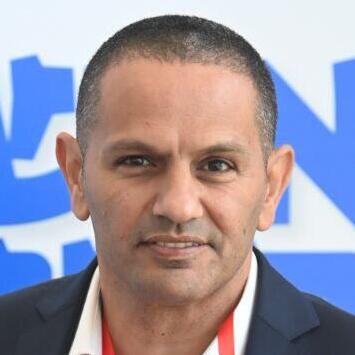
As lawmakers in the Knesset’s Foreign Affairs and Defense Committee debated the draft bill on Monday, Haredi recruits from the IDF’s new Hasmonean Brigade gathered a short distance away at the Castel for a battlefield heritage lesson. The hilltop, a key site in the 1948 Independence War, was where Haredi fighters took part in the battle for control of the Jerusalem corridor.
During the visit, one soldier read a poem written by a yeshiva student who had studied in the same institution and was killed in those battles. For many of the recruits, the moment underscored their decision to enlist despite strong opposition in parts of the ultra-Orthodox community.
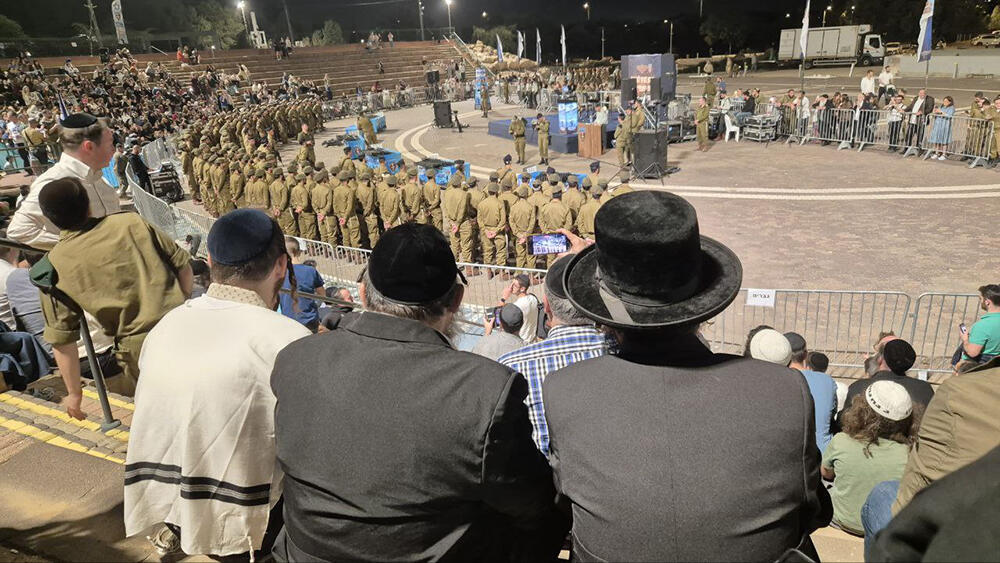
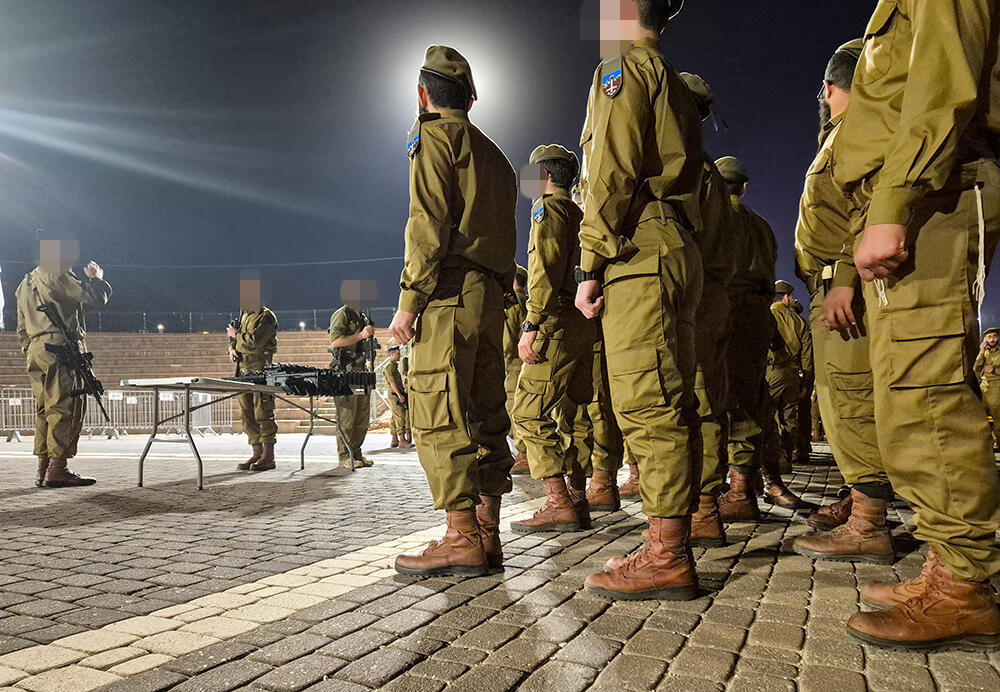
The brigade marked the completion of a rigorous training cycle for 65 Haredi soldiers this week, combining infantry boot camp, operational duty in Gaza and a unified squad commanders course. The program is intended to build a new generation of Haredi noncommissioned officers so that recruits can serve under Haredi leadership, a key demand from senior rabbis who oppose placing ultra-Orthodox soldiers under religious Zionist commanders.
The Hasmonean Brigade, led by Col. Avinoam Emunah, was established as a dedicated framework for Haredi service. Unlike other tracks such as Netzah Yehuda, the brigade inducts soldiers twice a year, always a month after the main draft cycles, to maintain an all-male daily environment in line with rabbinic guidance.
Because many recruits arrive with lower initial fitness levels and without pre-draft preparation, training is structured gradually to reduce injury. But commanders say standards remain high. Emunah, a former commander in the Paratroopers and the Maglan special operations unit, is known for strict professionalism and expects full combat readiness from his soldiers.
IDF officials say the brigade’s low trainee-to-command ratio and mentorship by officers from elite units have helped produce fighters who reach strong professional levels by the end of the course. The dropout rate is about 5 percent, significantly lower than other infantry brigades, where it averages around 15 percent.
Still, the personal toll on many recruits is considerable. Some distance themselves from family and community to enlist, fearing social repercussions that could affect siblings’ schooling or future marriage prospects. Because of these concerns, the brigade allows soldiers who request it to return home without uniforms or weapons. Commanders say anxieties have grown in recent weeks as debate over the draft bill has intensified.
A recent induction cycle, expected to bring in about 100 recruits, dropped to 70 at the last moment. Officers attribute the decline to political turmoil and pressure from families and rabbinic leaders. They say a clear, government-backed draft bill approved by leading rabbis could rapidly transform enlistment patterns.
(Photo: Ido Erez)
“If the bill passes, the next cycle will fill up faster than we can accommodate,” a senior commander said. “Removing the opposition will immediately bring in those who are hesitant.”
Most recruits come from Lithuanian and Hasidic communities, with almost no Sephardi participation. A recruitment officer said Sephardi rabbinic leaders speak out sharply against enlistment and refuse to engage with the brigade, creating what he described as “strong opposition.”
A., 25, who left a Jerusalem yeshiva to enlist, said he chose service because he felt he no longer fit the yeshiva framework. “Instead of going to work I wanted to contribute,” he said. “My family struggled with it at first, but they see that I’ve grown spiritually. Many others want this too. If rabbis remove their objections, they’ll join.”
Soldiers say they understand resentment among Israelis who serve and feel they carry an unequal burden. That awareness, they say, influenced their decision to enlist. But they argue that coercive measures and personal sanctions will not increase Haredi recruitment. “Even if the argument is justified, it won’t work,” one said. “Pressure only reduces enlistment.”
Col. Emunah is expected to leave his post next month after the IDF decided not to promote him further. His departure comes despite wide praise from commanders and Haredi leaders who credit him with building trust in the new brigade. Officers say losing him is a setback at a moment when strengthening ties between the IDF and the Haredi community remains critical.