


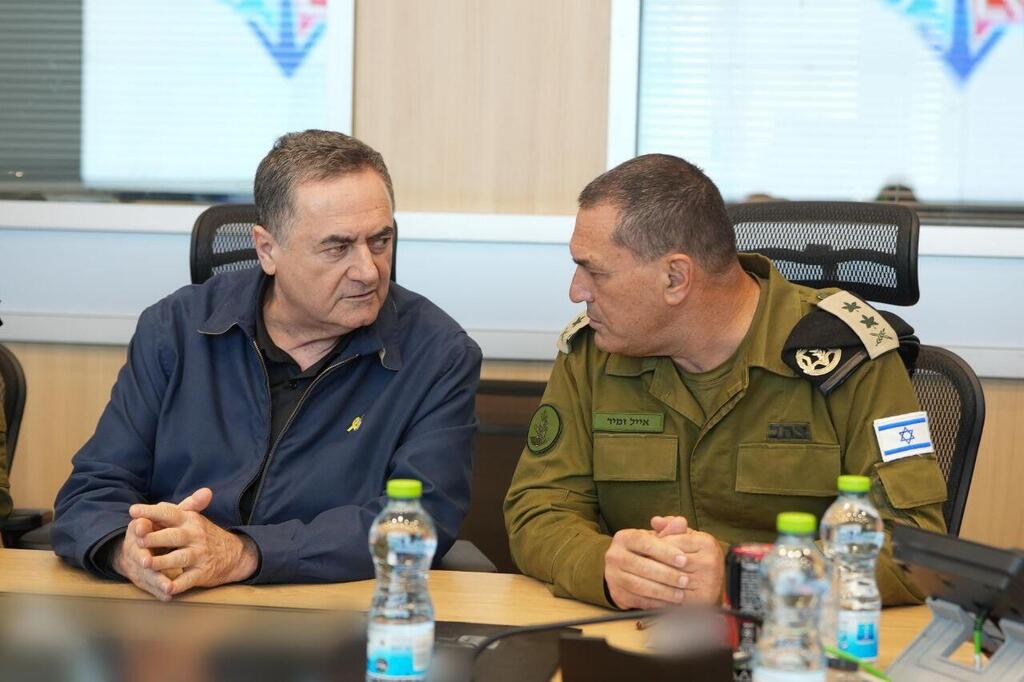
As Israel and Hamas edge toward a potential ceasefire and negotiations over a hostage deal intensify, a political and military storm is brewing over the composition of the IDF’s General Staff. At stake are several key senior positions that shape the management of Israel’s multiple war fronts, as well as growing tensions between Chief of Staff Lt. Gen. Eyal Zamir and Defense Minister Israel Katz.
The controversy comes as Zamir and Katz hold a series of meetings following recommendations from a special committee led by retired Maj. Gen. Sami Turgeman, which examined the IDF’s internal probes into the failures of Oct. 7.
According to military officials, the findings could force the chief of staff to reassess the future of Maj. Gen. Shlomi Binder, head of the Military Intelligence Directorate, who served as head of the Operations Division on Oct. 7.
The Turgeman Committee concluded that the internal investigation conducted by the Operations Division after the Hamas assault was “unprofessional” and overly lenient toward Binder. The inquiry had been led by retired Brig. Gen. Reli Margalit, a close friend of then-Operations Directorate head Maj. Gen. Oded Basiuk. The committee found multiple flaws in how the probe was handled, to the point of invalidating it, and recommended establishing a new investigative team. Based on that earlier probe, former Chief of Staff Lt. Gen. Herzi Halevi decided to promote Binder to lead Military Intelligence.
Families of soldiers killed in the Oct. 7 attacks petitioned the Supreme Court to overturn the promotion, but the justices at the time ruled that there was no legal basis to intervene, citing the internal military review. With the new committee’s findings now public, legal experts believe the families are likely to appeal again — a move that could place the court in a difficult position.
Zamir has publicly defended Binder, arguing in high-level discussions that he performed well in handling threats from Hezbollah, Iran, and other fronts, and that destabilizing a military still in recovery would be unwise. Zamir reportedly favors allowing Binder to complete his term, even if shortened. One possible compromise under discussion would involve forming a new investigative panel, headed by a retired senior IDF officer who previously commanded a brigade, to reexamine the events within a set timeframe — unless the Supreme Court steps in first.
Debate over next Air Force commander adds fuel to tensions
The dispute over Binder is only part of the growing turmoil. Another highly sensitive issue now facing the defense establishment is the selection of the next commander of the Israeli Air Force, to replace Maj. Gen. Tomer Bar — the most senior member of the General Staff who has remained in his post since Oct. 7.
Bar, like Binder, bears some measure of responsibility for the failures of that day, though less than the officers directly responsible for operational decision-making.
The leading candidate to succeed him is Brig. Gen. Omer Tishler, who served as the Air Force’s chief of staff on Oct. 7 and still holds that position.
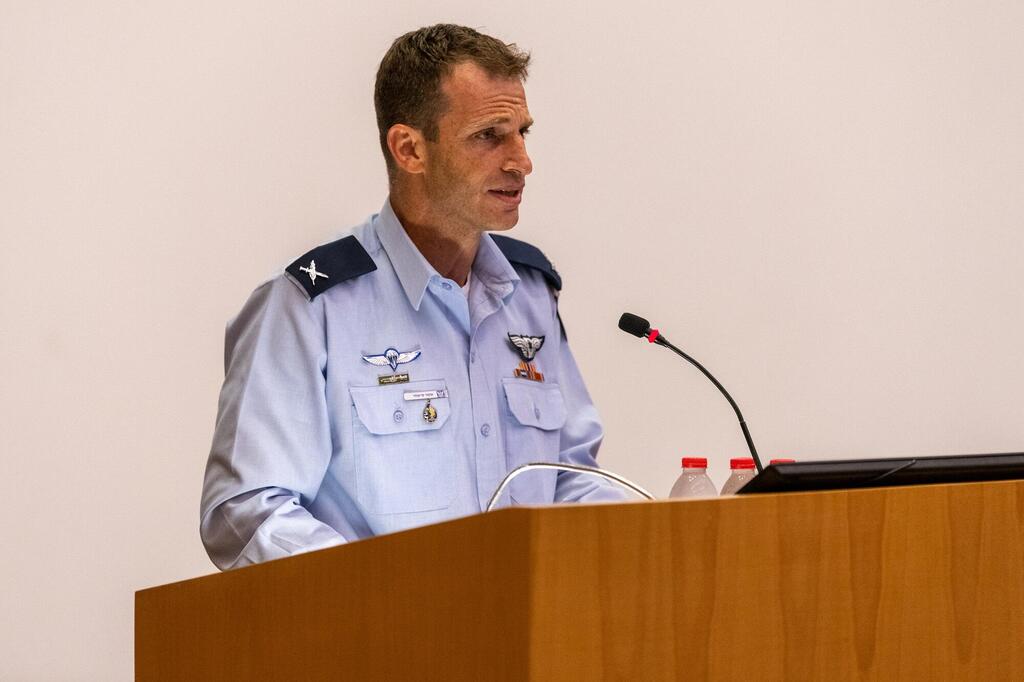
Brig. Gen. Omer Tishler
(Photo: Nevo Levin)
Tishler is regarded within the military as an outstanding officer with a rare combination of broad operational experience, strong leadership skills, and professional excellence. During his career he commanded fighter squadrons, led the Air Force Flight School, headed both the Nevatim and Hatzerim bases, and served as head of the Air Force Operations Wing.
He enjoys broad support from both Zamir and Defense Minister Katz — and particularly from Prime Minister Benjamin Netanyahu. Internal reviews found no fault in Tishler’s performance.
The problem arises from a controversial policy introduced by Katz, which effectively bars any officer who held a senior position on Oct. 7 from being promoted.
Under that guideline, Katz recently blocked the promotion of Brig. Gen. Manor Yanai, the Southern Command’s chief of staff, denying him a new posting and a rank advancement. He took similar action against Brig. Gen. Eliad Moati, who led the Border Defense Corps.
Moati’s case is seen within the army as especially unjust. He served as chief officer of the Combat Intelligence Collection Corps — a training and manpower position, not an operational command — and assumed the post only eight days before the Hamas assault.
Katz had previously approved Moati’s promotion to command the Tzeelim training base but later vetoed his appointment as commander of the Bashan Division in the Golan Heights.
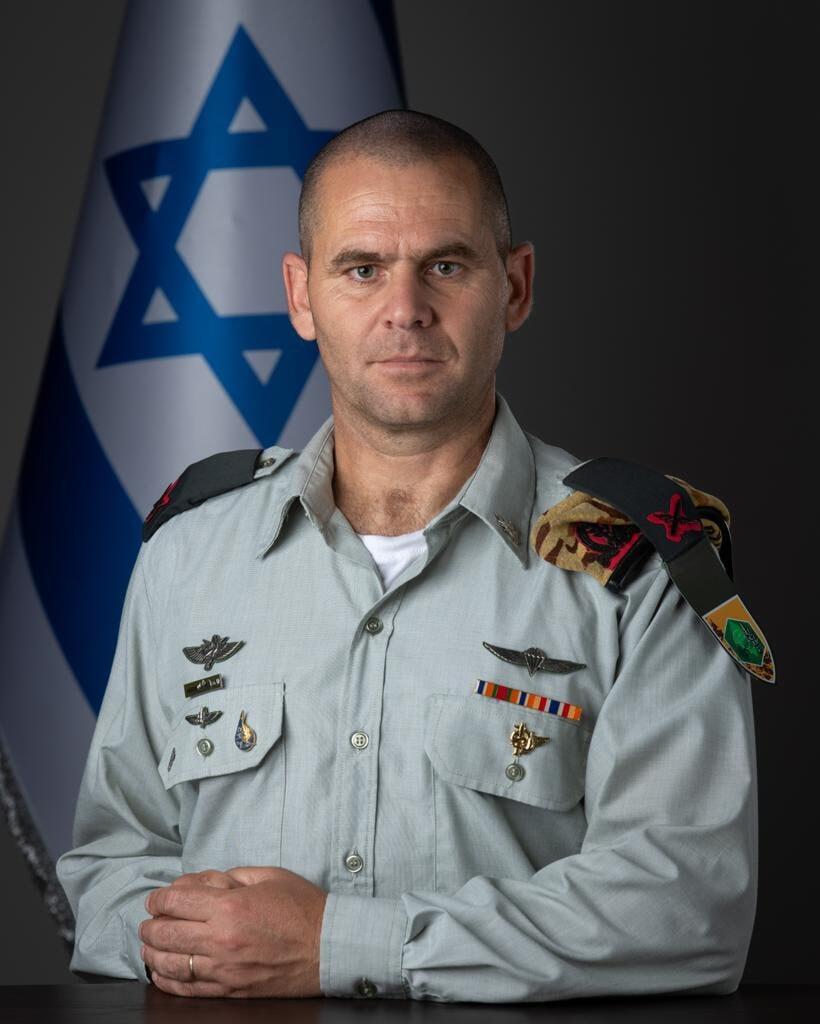
Brig. Gen. Eliad Moati
(Photo: IDF)
“Anyone with common sense understands that Moati had no connection to the failure,” a senior IDF officer said. “He was responsible for training and personnel, not operations.”
Moati, who comes from Israel’s national religious community and rose through the Givati Brigade, reportedly told colleagues that he welcomes scrutiny of the brigade’s performance after his departure. That unit, notably, has since received commendations for its conduct.
Anger spreading within the ranks
The decisions regarding both officers have caused widespread frustration within the IDF. Senior commanders accuse Katz of punishing officers who were not at fault, without providing justification or consistent standards.
Yanai, they note, holds the same type of position in the Southern Command as Tishler does in the Air Force — yet only one is being promoted.
“How can one be elevated to major general while the other is left without a post?” one officer asked.
(Photo: IDF)
Among younger officers, resentment has grown. Instead of restoring stability, they say, the defense minister’s actions have generated confusion and eroded morale.
Within senior ranks, the controversy has become a frequent topic of discussion. At the National Security College, students reportedly expressed anger directly to their commander, Maj. Gen. Dan Neumann, saying the recent decisions cannot be explained logically.
“Tishler is the best officer we have,” a former Air Force commander said. “He has excelled throughout his career, bears no responsibility for the failures, and is by far the most qualified candidate. We can’t afford to lose him.”
Critics argue that Katz’s uneven approach — approving some promotions while freezing others — has created a double standard that is now shaking the entire army.