

For 6 hours and 53 minutes on Oct. 7, from 7 a.m. to 1:53 p.m., Kibbutz Holit in the Eshkol Regional Council was completely at the mercy of Hamas terrorists, according to the IDF probe into the battle for the kibbutz, released to the public about 2.5 years after the massacre.
Holit residents said the wait for the probe, led by Col. Ayalon Peretz, was far too long.
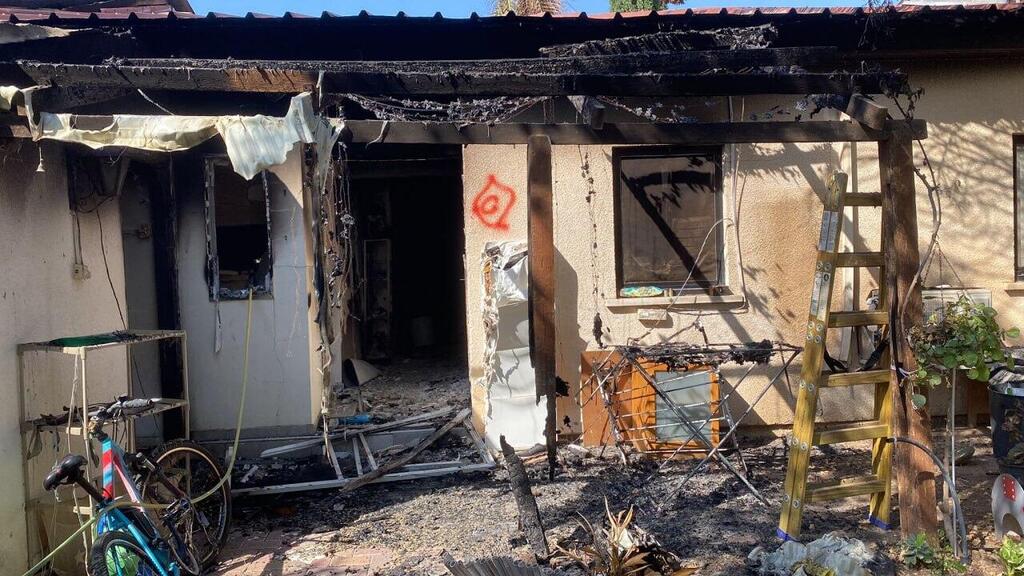
The probe presents a picture that leaves no room for doubt: The military system collapsed, and residents were the ones who prevented an even greater tragedy.
Thirteen kibbutz members were killed in the massacre, and two members of the local security team fell in battle. Six residents were abducted to Gaza. A woman and two children were abducted and released the same day. Four others were returned in a hostage deal, while two were murdered in captivity and their bodies were returned to Israel.
The probe found that on the morning of the Hamas attack, four members of the kibbutz security team stood alone against about 100 Nukhba terrorists who raided Holit in two waves.
According to the findings, the sequence of simultaneous attacks on Gaza border communities badly damaged the command structure of the Nahal reconnaissance unit, created a “fog of war” and paralyzed the IDF’s ability to respond. Reinforcement forces that reached the area were disconnected, did not receive a clear picture of the situation and, in some cases, continued to other battle zones.
Only at 1:53 p.m., after hours of stubborn fighting, did a turning point come with the entry of IDF forces into the kibbutz.
Professional failures cited in the probe were attributed, among others, to Caracal Battalion commander Lt. Col. Or Ben-Yehuda and Bardelas Battalion commander Lt. Col. Ivan Kon. The probe said Caracal forces were the first reinforcement force to arrive in the area. They fought and helped direct forces near the Sufa post, but in retrospect had an incorrect picture of what was happening in nearby communities and therefore did not join them.
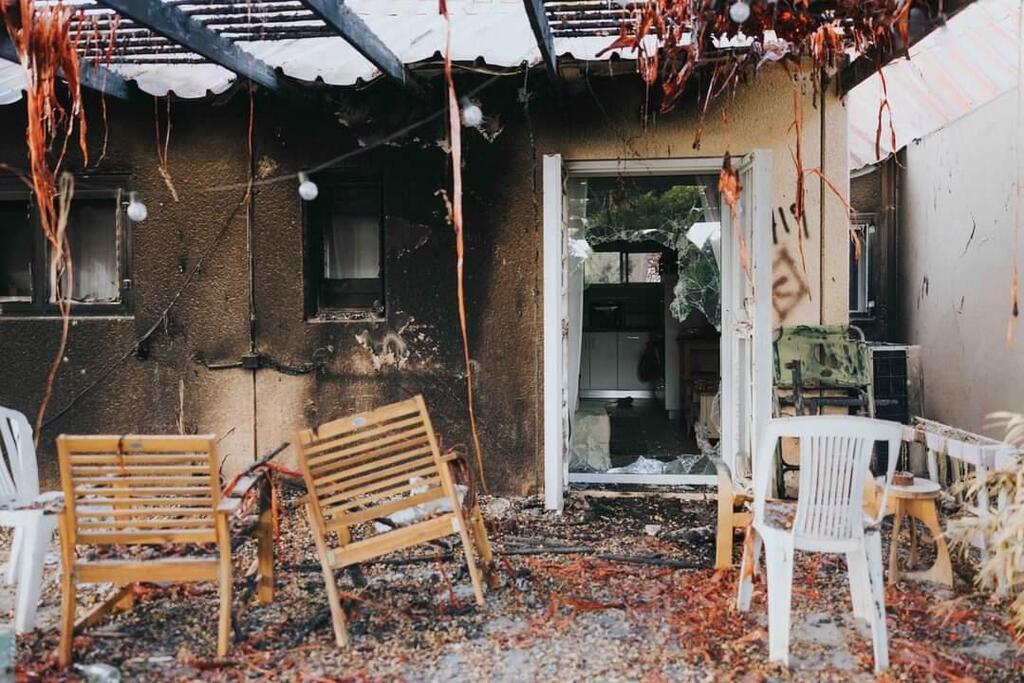
(Photo: Shir Azulay)
Regarding Bardelas, the probe said the battalion’s forces reached the kibbutz and came under fire from the orchards near the gate. In retrospect, it said, the force should have split up, with part of it entering the kibbutz to reinforce the fighting while the rest handled the clash in the orchards.
The probe clearly states that these were not moral failures. Commanders in the field sought contact and wanted to fight. But it points to serious professional errors, wrong decisions to evacuate residents without security and difficulty forming an accurate picture of events.
According to the probe, sector commanders were hit or cut off, creating a command vacuum. Forces moving in the area did not know what was happening inside the kibbutz, and patrol vehicles remained outside the gates, unable to enter, as chaos ruled the area.
In the absence of military assistance, residents evacuated the wounded under fire, defended their homes and showed exceptional courage.
The report praised the kibbutz security coordinator, Avi Korin, who fell in battle while trying to block the enemy, and his deputy, Shimon Azoulay, known as Kish, who continued fighting alone for long hours. The two became symbols of civilian heroism.
The probe also documents the extraordinary story of Avital Eldajem, who was abducted to Gaza with the children of her friend, Adi Vital-Kaploun, who was murdered in the massacre. Eldajem and Vital-Kaploun’s children had already crossed the border into Gaza when the terrorists ordered them back to Israel.
The probe was first presented to the community in July 2025, but following its harsh findings, which residents said did not receive a sufficient response, kibbutz members asked the IDF to reexamine some of the conclusions. The IDF then decided to reopen the probe, leading to another delay in its public release.
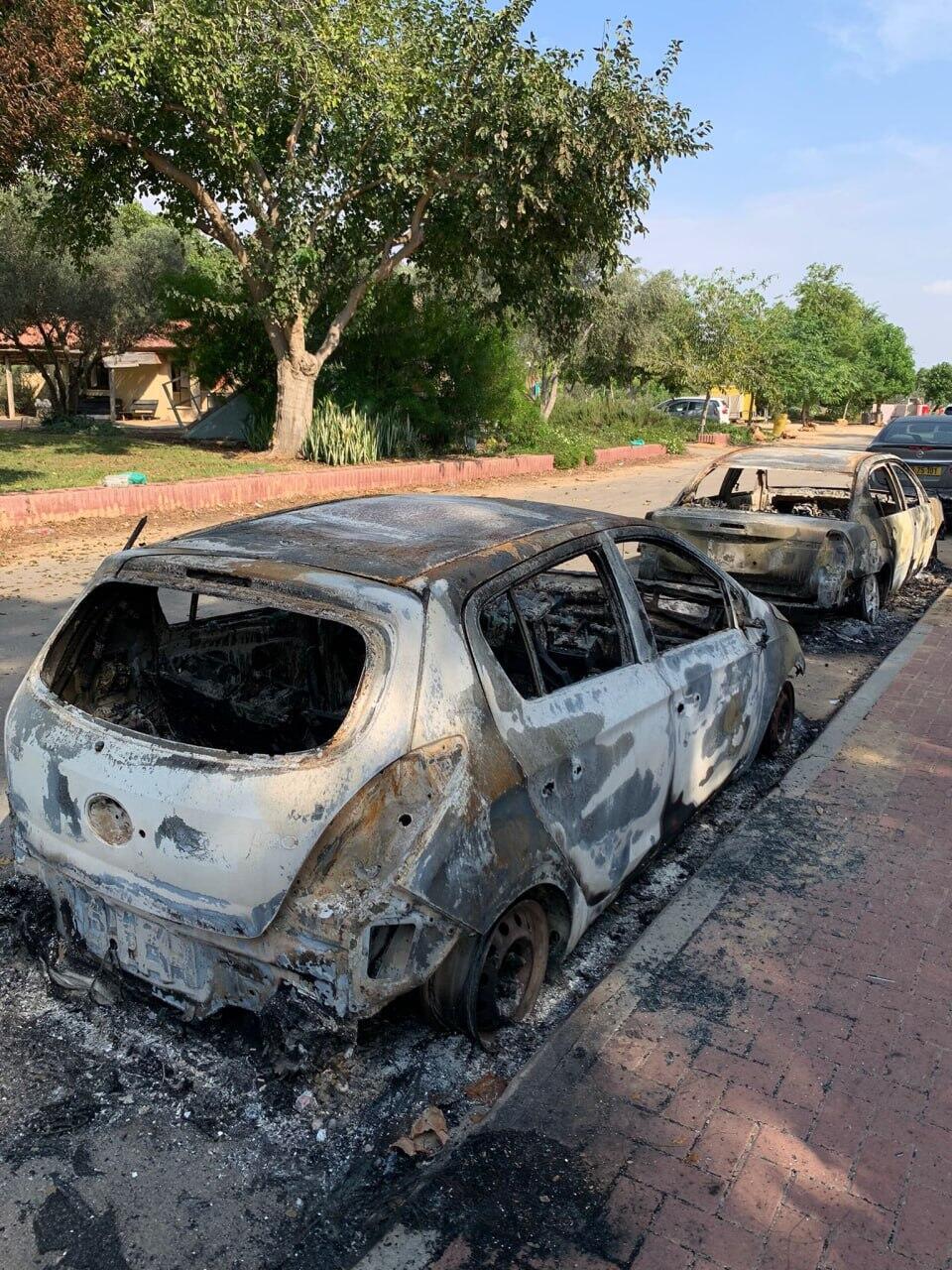
(Photo: Shir Azulay)
The kibbutz members’ sharp opposition focused on the probe’s conclusions, which they said were incomplete. They argued that the main problems concerned the conduct of officials and IDF forces on the day of the failure, who, according to residents and senior military officials, did not seek contact and could have prevented murder or abduction.
Holit is a small kibbutz in the southern Gaza border area in the Eshkol Regional Council, with about 225 residents. It is 1.2 kilometers from the Gaza border. The kibbutz was founded in the Yamit region of Sinai in 1977 and moved to its current location in 1982 after the evacuation of Yamit.
One of the first reports on the morning of the attack came from Korin, the security coordinator, who reported suspicious motorcycles spotted in front of him. He was killed a short time later.
The community remains evacuated at Kibbutz Revivim and has not yet returned to Holit. Residents are expected to begin returning in August, but it is not yet known how many will do so.
In response to the probe’s publication, the kibbutz said: “Two and a half long years after Oct. 7, the IDF probe into that terrible day was presented today to the Israeli public. We thank the army for conducting the probe and recognizing the failures and omissions, but for us this is only further confirmation of the great failure of that morning — a morning of extraordinary civilian heroism in the face of the greatest military failure the state has ever known.”
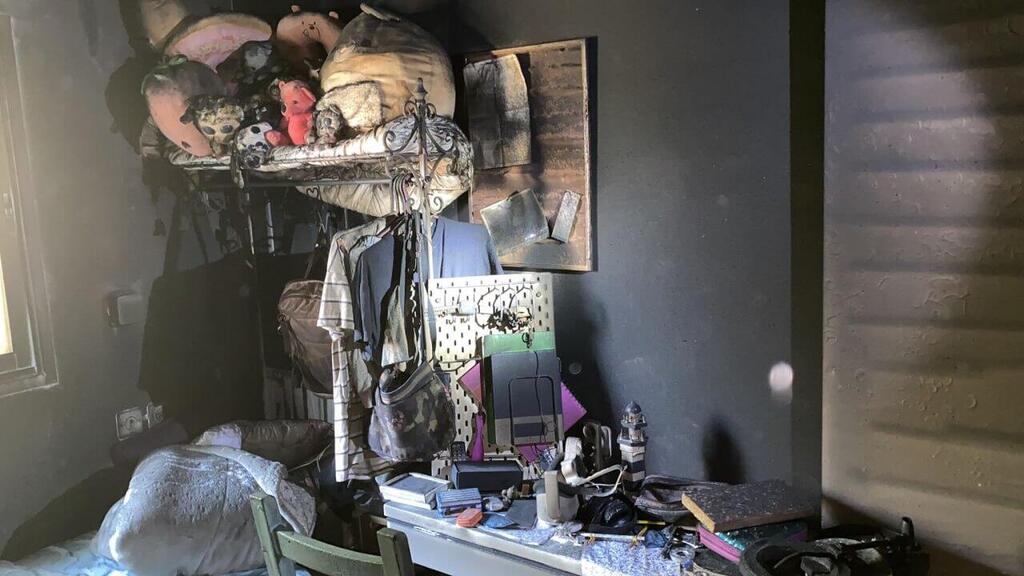
(Photo: Shir Azulay)
“On Black Saturday morning, Kibbutz Holit was left without protection,” the statement continued. “Only close to 2 p.m., 7½ hours after the attack began, did the first soldiers enter the kibbutz, even though forces had been in the area since the early morning. This reality left the kibbutz residents to deal alone with a brutal attack.”
The kibbutz said Korin, members of the security team and other residents acted with extraordinary bravery, fighting for their homes, evacuating the wounded under fire, rescuing children from burning homes, protecting their families with their bodies and, in some cases, paying with their lives.
“Kibbutz Holit bows its head in memory of community members and soldiers who fell in battle, embraces the bereaved families and seeks to honor the forces and soldiers who did reach the kibbutz and acted courageously,” the statement said.
“The probe is an important step in the process, but it is not the final word,” the kibbutz added. “The search for truth has not been completed, and we demand that it be pursued through a state commission of inquiry that will examine in depth all the failures and circumstances that led to the disaster and, above all, restore trust.”
“As we prepare to return home, we expect real security, lessons to be learned and different actions in the face of the growing threats at the fence even today,” the statement said. “The Holit community seeks to recover, grow and rebuild in its natural place, to which it is deeply connected.”