

The White House drafted the text of Prime Minister Benjamin Netanyahu’s unprecedented apology to Qatar, Politico reported on Wednesday.
Citing three sources familiar with the details of the exchange, U.S. President Donald Trump reportedly instructed Netanyahu to call Qatari Prime Minister Mohammed Al Thani directly from the Oval Office and read aloud an apology prepared in advance by the White House in coordination with Qatari representatives.
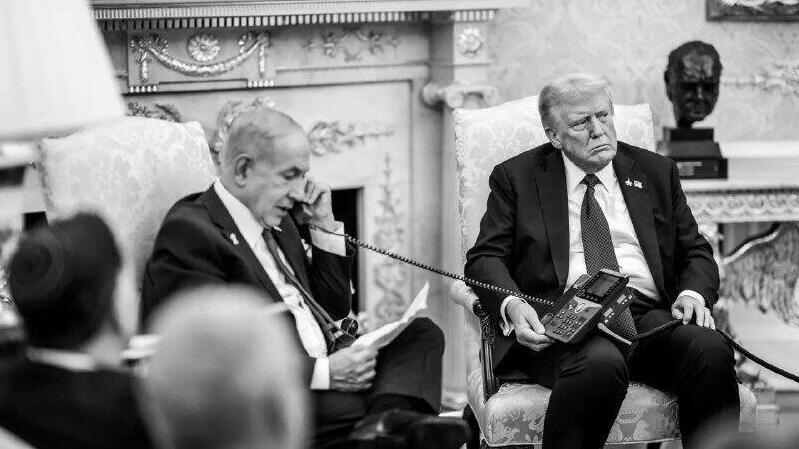
During the call, Ali Al-Thawadi, a senior Qatari diplomat and close confidant of the prime minister, was reportedly seated alongside U.S. Middle East envoy Steve Witkoff. According to Politico, Al-Thawadi acted as Doha’s liaison and was present “to ensure that Netanyahu didn’t deviate publicly from the White House-crafted version of events.”
A former Gazan blogger now living in the United States claimed last week that Netanyahu later met Al-Thawadi in person, but the Prime Minister’s Office denied it, saying: “He was only present during the phone conversation.”
Trump and Netanyahu talk about the phone call with the Qatari prime minister
(Video: Reuters)


The call reportedly addressed not only Netanyahu’s apology for the death of a Qatari security officer killed in a failed Israeli strike on Hamas leadership in Doha, but also efforts to coordinate next steps regarding Gaza, Hamas and the restoration of ties between Israel and Qatar. Since the two countries have no formal diplomatic relations, the direct conversation between their leaders was considered a highly unusual event — and the first such exchange in years.
According to a White House readout, Netanyahu “expressed his deep regret that Israel’s missile strike against Hamas targets in Qatar unintentionally killed a Qatari serviceman.”
Netanyahu “further expressed regret that, in targeting Hamas leadership during hostage negotiations, Israel violated Qatari sovereignty and affirmed that Israel will not conduct such an attack again in the future."
Al Thani responded the following day, saying that Netanyahu’s apology was the "bare minimum," adding that "the most important thing is a commitment not to attack us again." He said Qatar’s primary concern, after defending its own territory, is contributing to the end of the war.

(Photo: White House)
A day later, Trump issued unprecedented security guarantees to Qatar. In a presidential order he signed, the U.S. declared that any armed attack on Qatar’s territory or infrastructure would be considered “a threat to the security of the United States” and that Washington would respond “by all lawful means, including military action, to defend the interests of the U.S. and Qatar.”
In practice, analysts say the move provides near-total protection to individuals and groups operating from Qatari soil, marking a historic extension of American defense assurances to the Gulf state.
The apology triggered political backlash in Israel. Finance Minister and Religious Zionist Party leader Bezalel Smotrich blasted the move as a “humiliating apology" and "a national disgrace.” Senior diplomatic officials privately described the incident as “an American dictate shaped by Qatari demands,” with one veteran official calling it “a true diplomatic walk to Canossa.”