

A monumental complex built by the Maya civilization some 3,000 years ago has been found in Mexico to reflect a cosmic map, revealing how ancient people envisioned and interpreted the universe. Known as Aguada Fénix, the site sits near the Guatemalan border and is now considered the largest and oldest known Maya structure.
Despite the immense effort required to build it, researchers believe Aguada Fénix was constructed through community participation rather than forced labor. Its cultural significance likely inspired voluntary involvement — much like the communal building of Stonehenge in prehistoric England.
6 View gallery
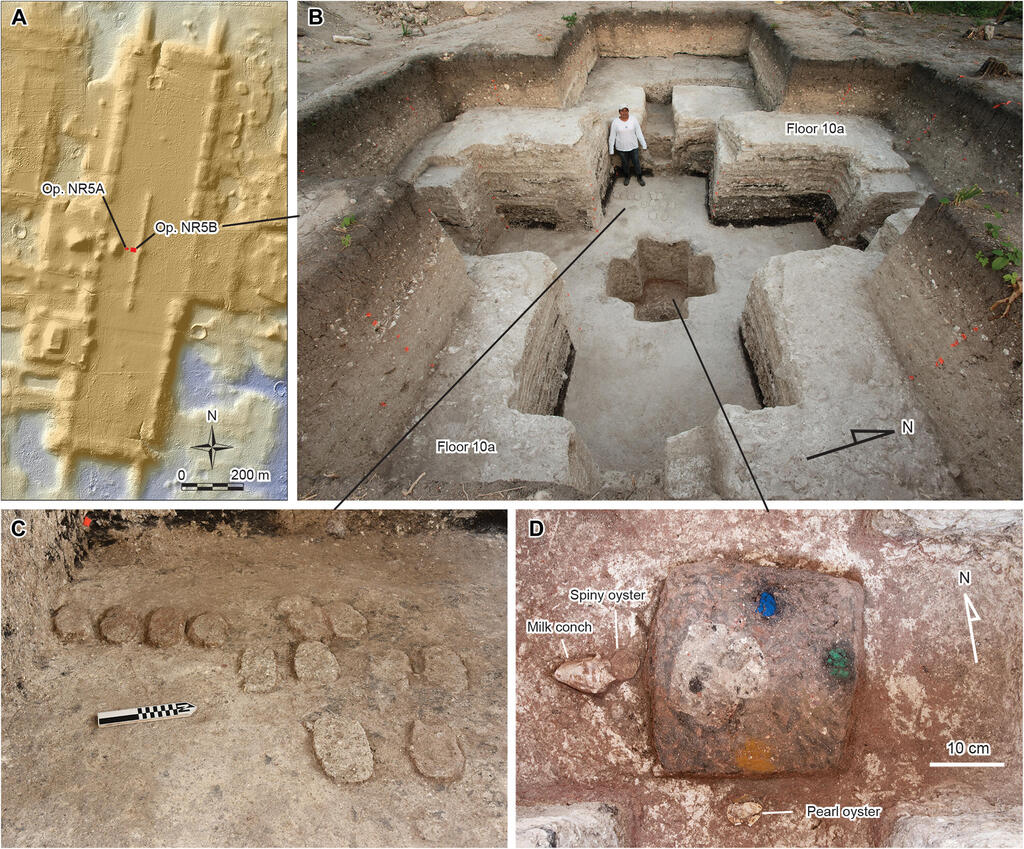
Excavations of the cross-shaped site called Aguada Fénix
(Photo: Takeshi Inomata/Science Advances)
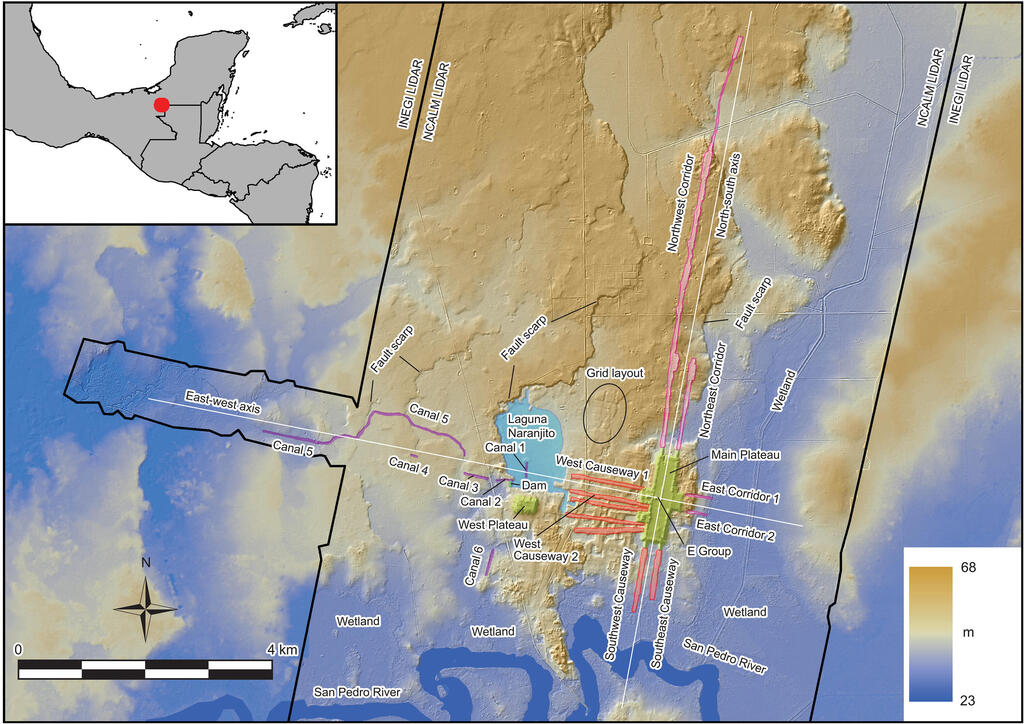
The study, published in the journal Science Advances, suggests that major construction projects and collective rituals may have involved feasting, intergroup trade and social interactions such as matchmaking. These gatherings would have served as further motivation for participation.
Dating back to 1050 BCE — centuries before the development of the Maya writing system — the site lacks written records. Abandoned around 700 BCE, Aguada Fénix remained untouched until archaeologists began investigating it between 2020 and 2024. Researchers employed ground excavation alongside LiDAR (Light Detection and Ranging), a laser-based mapping technology that produced detailed 3D models of the area.
6 View gallery
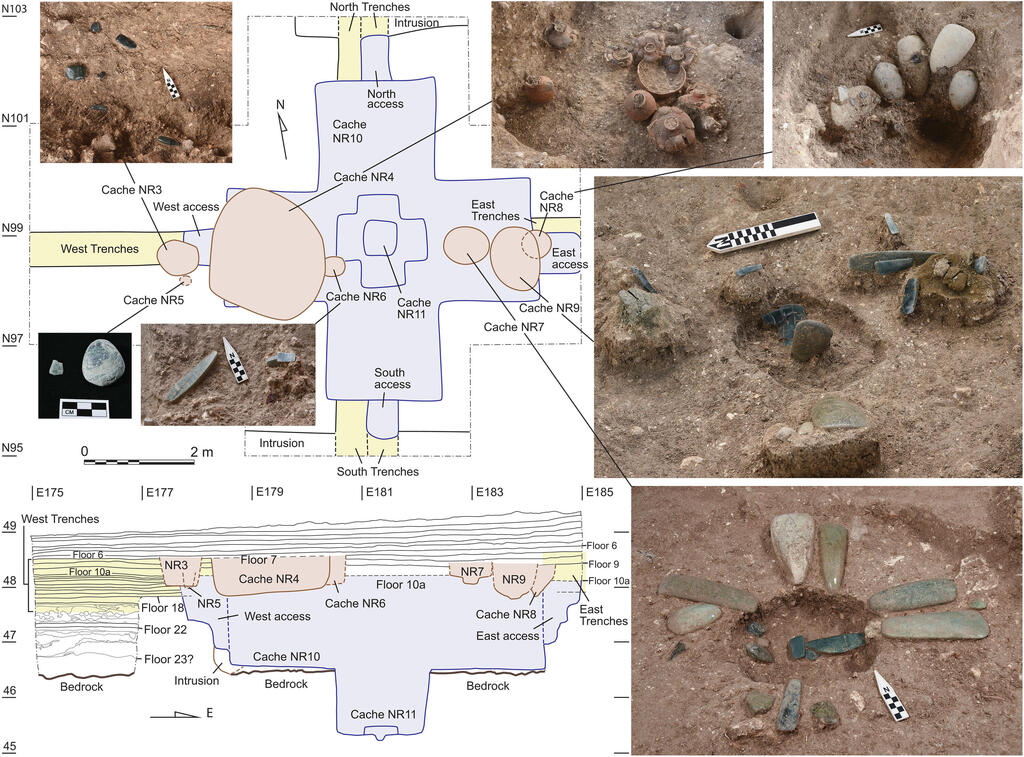
The ancient artifacts and mapping discovered in the Aguada Fénix excavations, including field mapping
(Photo: Takeshi Inomata/Science Advances)
Their analysis revealed that the site’s design incorporates channels, bridges and dams arranged in intersecting patterns to form cross-like shapes, symbolizing the universe. Measuring roughly 9 by 7.5 kilometers, the complex rivals or exceeds the size of later Mesoamerican cities.
At the center is a series of smaller structures and platforms known as an “E Group,” where archaeologists uncovered ritual objects, including jade ornaments possibly representing a crocodile, a bird and perhaps a pregnant woman. They also found ancient pottery and colored pigments — each likely tied to one of the four cardinal directions in Maya cosmology, each with its own distinct color.
6 View gallery
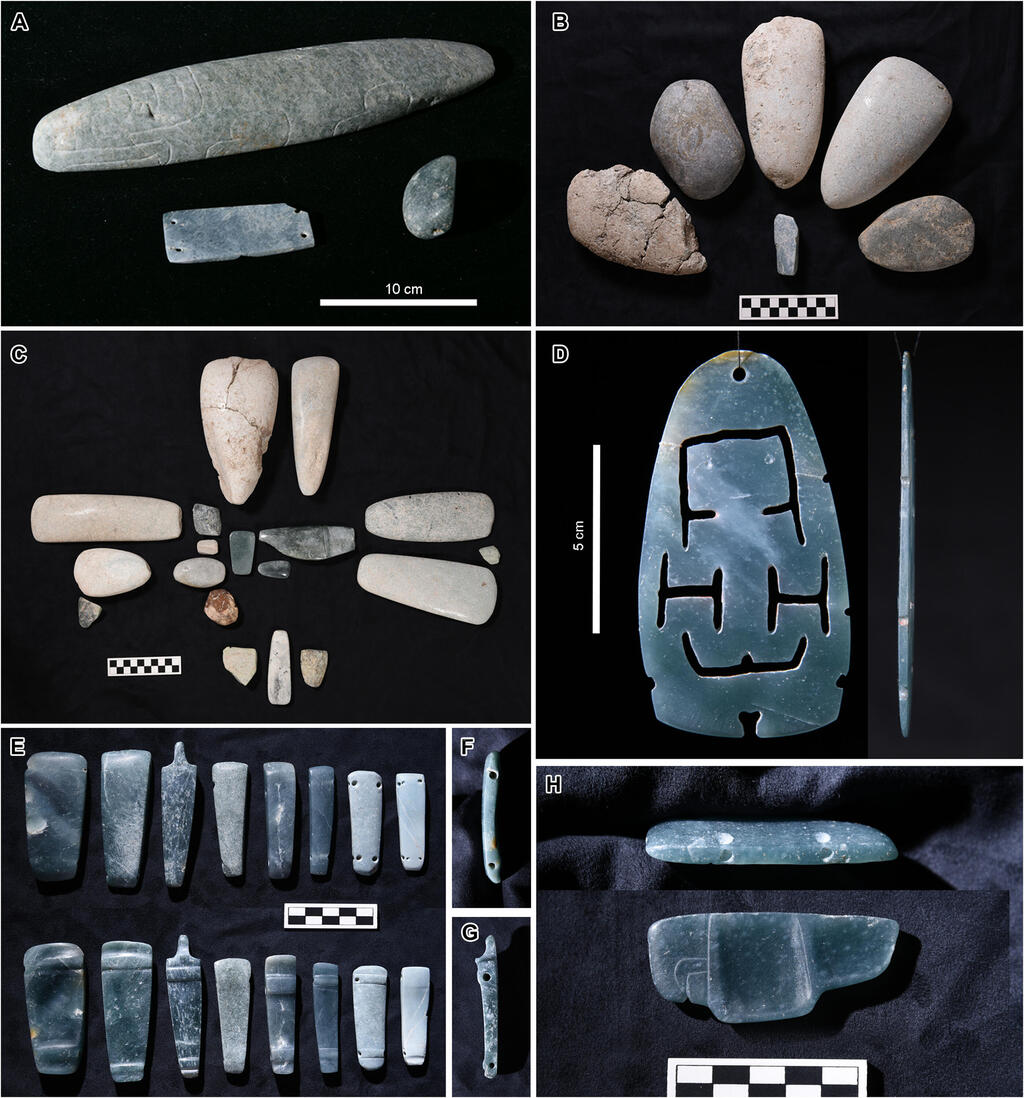
Ancient and valuable stone artifacts and jewelry discovered in the Aguada Fénix excavations
(Photo: Takeshi Inomata/Science Advances)
Although a small lake fed the site’s canals, its size would have been insufficient to sustain water flow over long periods, and there are no signs of agricultural irrigation. Some canals were never completed, likely due to the site’s abandonment around 700 BCE.
Crucially, researchers found no evidence of social hierarchy at Aguada Fénix — unlike in later Maya cities such as Tikal in Guatemala or Copán in Honduras, where rigid class structures were documented. The team estimates more than 1,000 people took part in building the site. It is believed that leaders with specialized knowledge in astronomy and calendar calculations guided the site’s design, which appears to align with a cosmic map.
6 View gallery
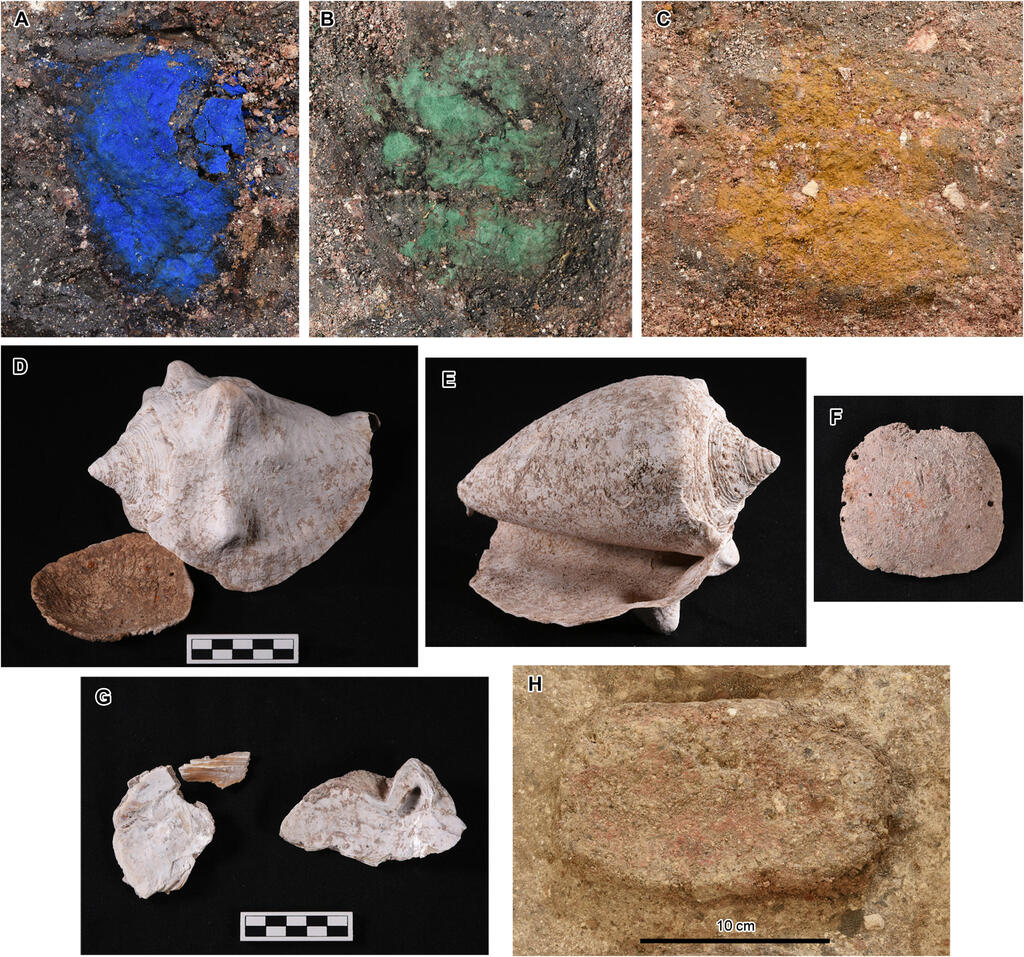
Ancient pigments, shells, and pottery discovered in the Aguada Fénix excavations
(Photo: Takeshi Inomata/Science Advances)
6 View gallery
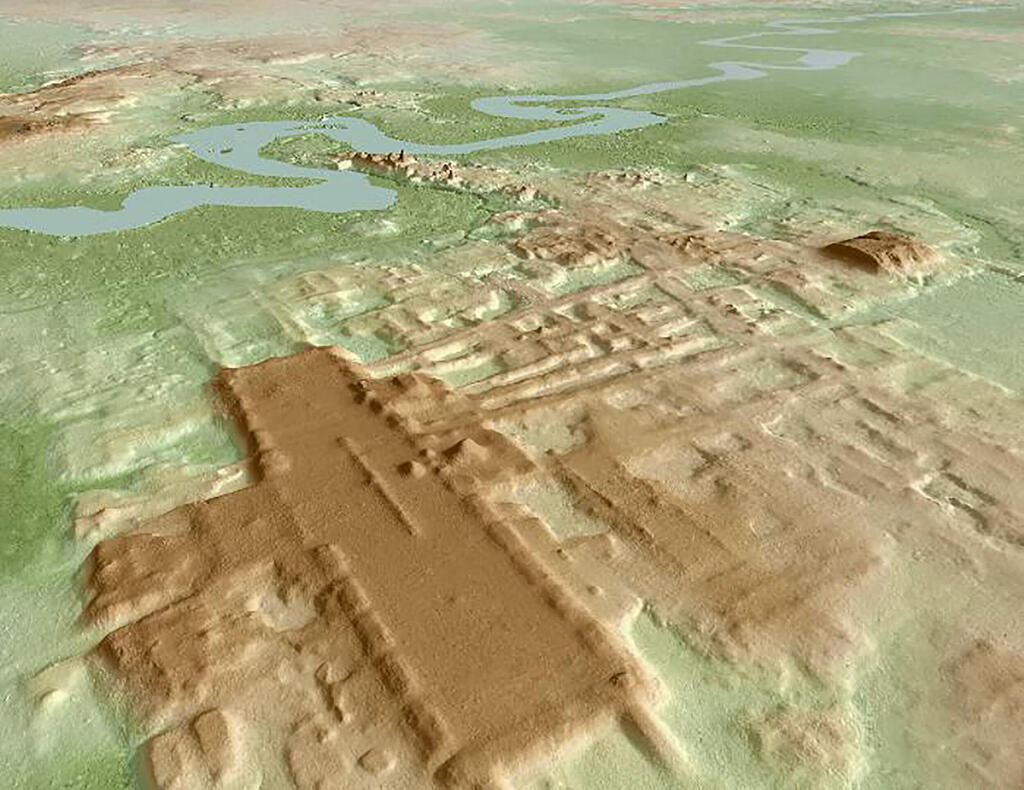
A 3D model of Aguada Fénix, the 3D visualization of the structure, created using LiDAR technology
(Photo: Takeshi Inomata/TNS/ABACA/Reuters)
While the full meaning of the site remains elusive due to the lack of written records, archaeologist Takeshi Inomata of the University of Arizona, a Maya specialist, emphasized the cosmic intent behind its layout. “People using the site probably thought the universe is ordered according to the north-south and east-west axes,” he told Live Science. “The east-west axis was tied to the movement of the sun and was probably related to the passage of time as well.”
Inomata explained that the builders oriented the complex to reflect a 260-day cycle, which later became the foundation of the sacred calendar — Tzolk’in for the Maya and Tonalpohualli for the Aztecs.