

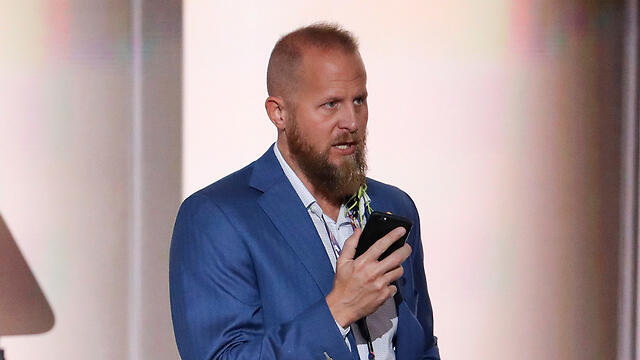
Brad Parscale, the digital strategist behind Donald Trump's 2016 presidential campaign, led a social media campaign on behalf of the Israeli government aimed at strengthening support for Israel among young American conservatives and supporters of Trump's "Make America Great Again" movement, Time magazine reported Tuesday.
U.S. officials cited by the magazine said they later became concerned the effort may also have influenced debate surrounding Trump's Iran policy following the signing of the memorandum of understanding with Tehran to end the war.
According to Time, after the United States and Iran reached a temporary ceasefire deal on June 17, a senior U.S. official monitoring online reaction noticed that several MAGA-aligned influencers had posted nearly identical messages criticizing both the agreement and Trump's policy. After reviewing the posts, the official concluded the activity appeared to be coordinated rather than entirely organic.
Documents reviewed by Time that were filed under the U.S. Foreign Agents Registration Act, or FARA, show that international advertising firm Havas hired Parscale's company, Clock Tower X, in September to run a digital campaign for Israel. Under the agreement, the company committed to producing 100 original pieces of content each month, most aimed at younger audiences on YouTube, Instagram, TikTok and podcasts.
According to the report, Parscale also agreed to expand the campaign's reach across social media, generate tens of millions of monthly impressions and attempt to influence how AI tools such as ChatGPT present information about Israel and the war. Time reported the contract was worth $1.5 million per month.
Officially, the campaign was presented as part of Israel's effort to combat rising antisemitism online. However, a Foreign Ministry official told Time that another objective was preventing young conservatives from drifting away from supporting Israel. According to the official, Parscale argued he was uniquely positioned to reach that audience because of his role in Trump's campaign and his familiarity with MAGA culture.
Parscale acknowledged to Time that one goal of the campaign was to maintain support for Israel among young conservatives, but strongly denied claims that it sought to undermine Trump's policies.
"I have never funded, organized or participated in any effort to undermine President Trump—ever—including his MOU or ceasefire proposal," Parscale told the magazine.
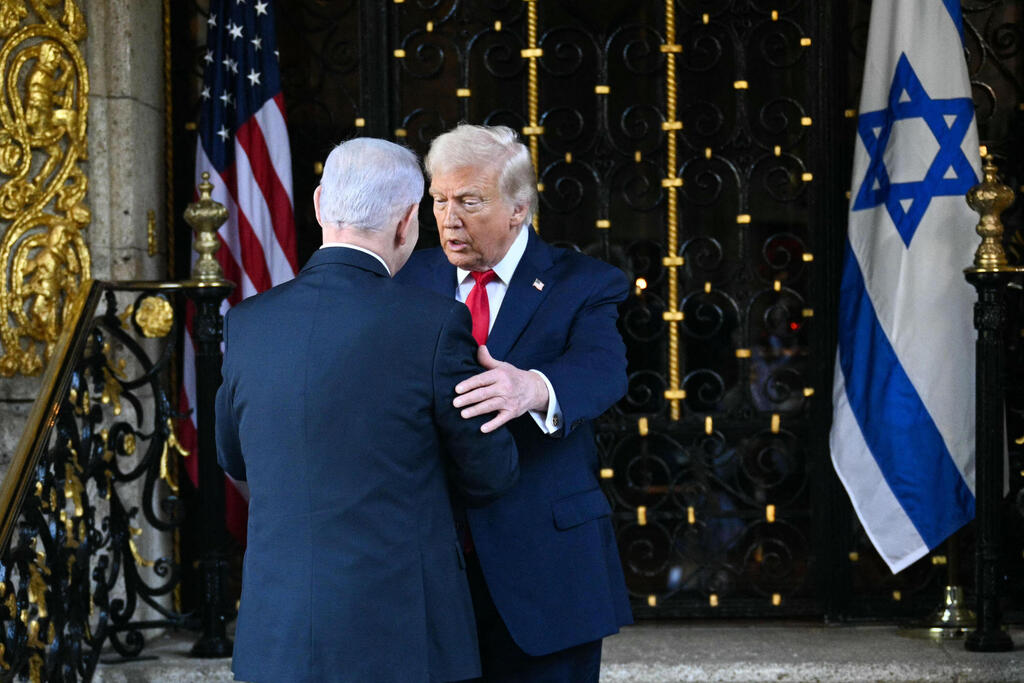
Prime Minister Benjamin Netanyahu and US President Donald Trump
(Photo: Jim Watson/ AFP)
"The claim that I am coordinating an effort to prolong the war is completely false. The only people manufacturing a conflict between President Trump, Israel, and me are anonymous officials using background quotes to make me the bogeyman," he said.
According to the report, Parscale's campaign relied on a network of conservative companies and influencers. Three people familiar with the effort told Time that influencers received suggested language for social media posts through private group chats and were compensated based on the reach and engagement their content generated.
One influencer identified in the report, X personality Eyal Yakoby, said he was paid to combat antisemitism online. He said he was never paid to promote views he did not already hold.
"It's not like an agency that represents you," Yakoby told Time. "It's more like a collaboration."
According to Time, some Trump administration officials became concerned that what had begun as an effort to preserve pro-Israel sentiment among American conservatives had evolved into an operation that could conflict with the president's political interests.
"We're talking about American influencers who are being paid by a foreign country, then trying to build momentum to change the President's view, or the views of others around him," a senior U.S. intelligence official told the magazine.
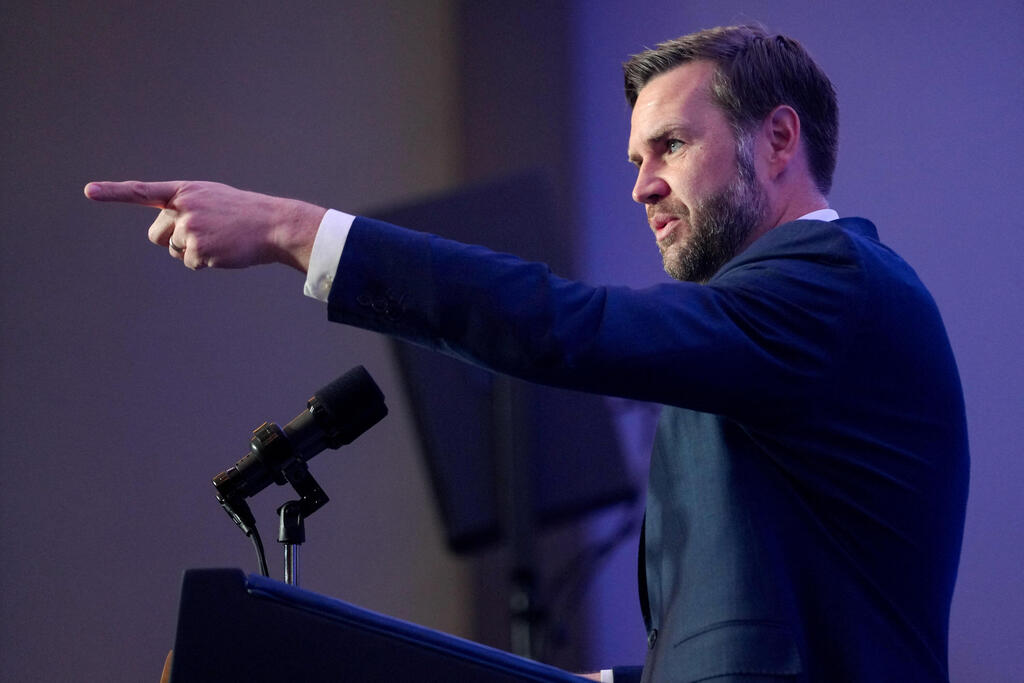
US Vice President JD Vance
(Photo: Nathan Howard/Pool/Reuters)
Parscale rejected the report's broader conclusions, arguing that not every pro-Israel message posted by conservative influencers was connected to his campaign.
"The idea that every pro-Israel voice must be part of some coordinated campaign is ridiculous," he said. "These are people who already support President Trump and already believe Israel is a vital American ally. Suggesting I have to pay them to express those views is like suggesting I have to pay the sun to rise. Their support existed long before this campaign, and it does not depend on me."
According to Time, the campaign remains active, but both the Trump administration and Israeli officials have expressed dissatisfaction with its results.
The magazine reported that Prime Minister Benjamin Netanyahu's government hired Parscale to strengthen Israel's standing among conservatives, yet support for Israel has continued to erode among younger Republicans and the broader American public.
"We are pissed at Brad Parscale," an Israeli official familiar with the arrangement told Time. "He was supposed to make things better. We have paid him lots of money. But what did he do with it? Things have only gotten worse."
Time noted that Israel is not the only country seeking to influence public debate in the United States through digital campaigns. Russia, Iran and China have also conducted online influence operations to advance their interests. But, according to one U.S. intelligence official quoted in the report, what made this case unusual was its target: not swing voters or the general public, but the president's own political base.