

European officials have warned that Israel’s approval of a law allowing the death penalty for terrorist offenses could strain ties with the European Union and potentially jeopardize a key bilateral agreement, according to Israeli and European officials.
Even before the law was passed, the EU conveyed messages to Israel suggesting that advancing the measure could conflict with the EU-Israel Association Agreement, the legal framework governing relations between the sides. Officials familiar with the discussions described the messages as implicit warnings that the move could lead to steps against the agreement, including possible suspension.
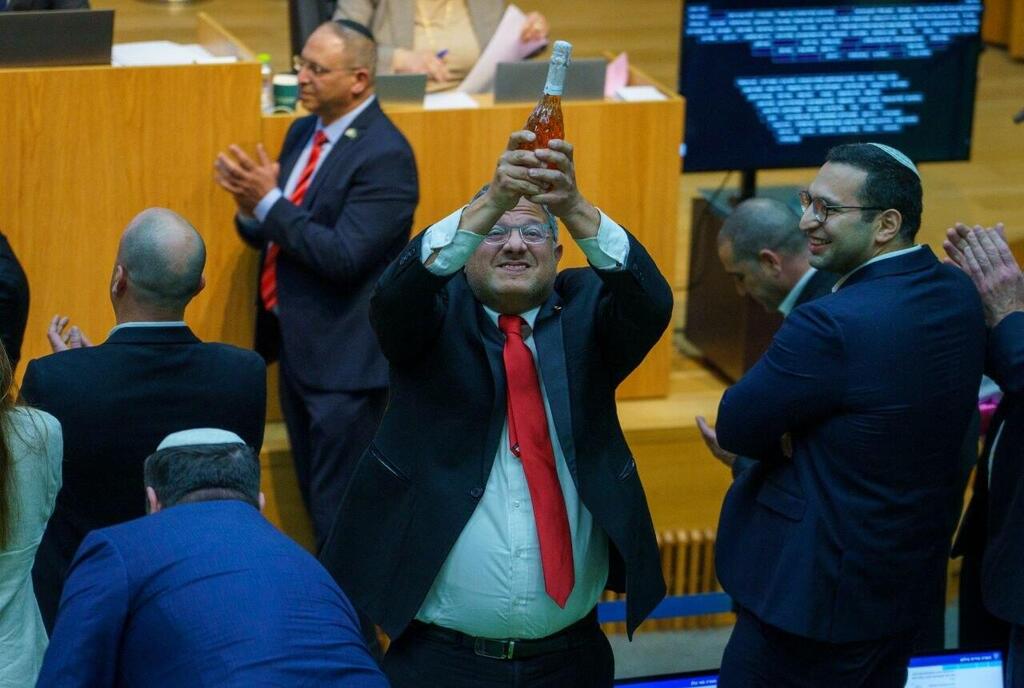
“What concerns them most right now is the distancing from shared values reflected in the death penalty,” a senior official involved in Israel-EU relations said.
In a statement over the weekend, the European Union urged Israel to adhere to its international legal obligations and democratic principles, referencing commitments outlined in the association agreement. While the statement did not explicitly threaten sanctions, Israeli officials interpreted it as a veiled warning.
European opposition to the law has been widespread. The foreign ministers of Germany, France, Italy and Britain called on Israel to halt the legislation, expressing “deep concern” that it could undermine democratic principles and have discriminatory implications in practice.
Belgium’s foreign minister also criticized the measure, saying state-sanctioned executions are never justified and contradict the spirit of the EU-Israel agreement.
At the same time, the United States has taken a different approach. A State Department spokesperson said Washington respects Israel’s sovereign right to determine its laws and penalties for those convicted of terrorism, while expressing confidence that legal proceedings would meet due process standards.
Israeli officials have warned that the fallout with Europe could be significant. A senior diplomatic source said passage of the law could damage relations with the EU and potentially trigger broader diplomatic consequences.
Suspending parts of the EU-Israel Association Agreement would require a qualified majority among EU member states, while broader sanctions would need unanimous approval. In the past, countries such as Germany and Italy, along with several Eastern European states, have blocked such measures.
However, officials noted that political shifts within the EU could alter that balance. Hungary has historically vetoed sanctions against Israel, but that position could change depending on future election outcomes.
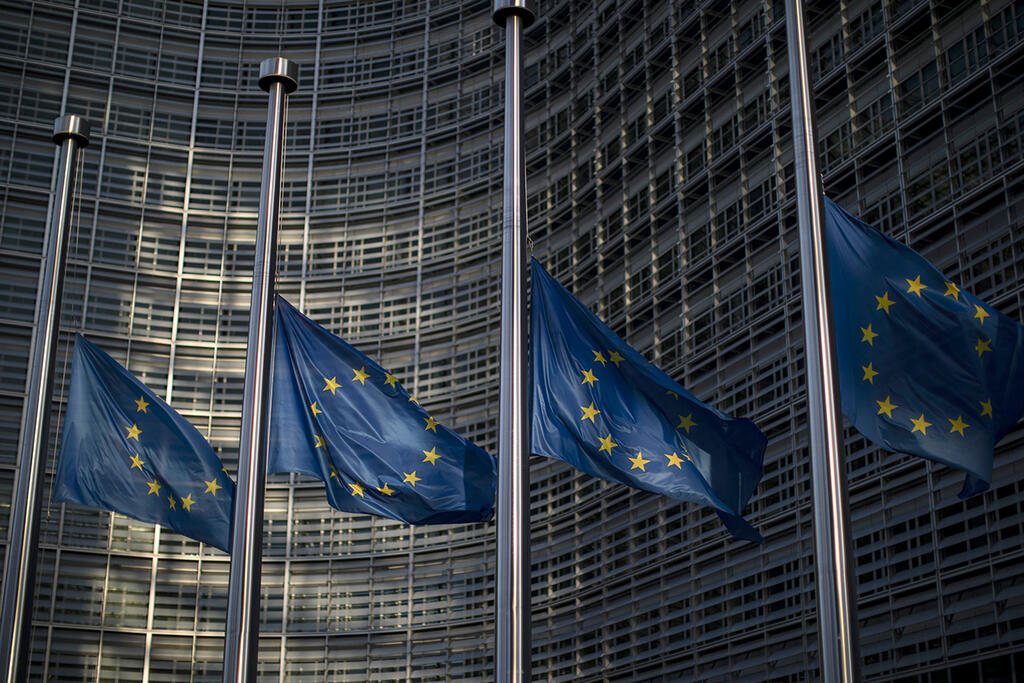
(Photo: gettyimages)
Beyond the legislation itself, European concerns also include broader issues such as restrictions on access to Christian holy sites, treatment of foreign media and ongoing settler violence, according to the Israeli official.
“This should concern us,” the official said, warning that cumulative developments could eventually translate into more serious European action.
Some steps have already been taken. The European Commission has suspended certain forms of bilateral assistance to Israel, though officials described the move as largely symbolic. At the same time, the EU has imposed sanctions on individuals accused of violent activity in the West Bank and has discussed potential measures targeting Israeli officials, though such steps would require full consensus.
“Regarding the association agreement, a qualified majority is needed,” the official said. “As long as Germany is with us and not alone, it won’t happen. But we need to pay close attention to voices coming out of Berlin.”
Analysts say that while immediate punitive measures remain unlikely, the growing criticism signals mounting pressure from Europe and raises the possibility of more concrete steps if tensions continue to escalate.